News That Matters To Africa – Overlooked and Misunderstood©️
FRIDAY’S FOCUS EDITION
Good News Africa! A weekly spotlight on Africa’s bright sides.
THE FRIDAY QUOTE
“Politicians and diapers must be changed often – and for the same reason.”
GOOD NEWS: TOP STORIES
I. POLITICS
II. ECONOMY, TRADE & DEVELOPMENT
III. HEALTH, INNOVATION & SCIENCE
IV. ENVIRONMENT
V. ARTS, CULTURE & CREATIVE ECONOMY
VI. SOCIETY & LIFESTYLE
VII. SPORTS & YOUTH
I. POLITICS

Uganda-born Zorhan Mamdani elected in New York City
A young left-wing candidate, Zohran Mamdani, is poised to become the Democratic nominee for New York mayor after delivering a stunning political upset. The 33-year-old socialist declared victory in the city’s Democratic primary on Tuesday, defeating his main rival and political veteran Andrew Cuomo who previously served as state governor. “Tonight we made history,” Mamdani said in his victory speech. If elected, he would be the first Muslim and Indian American to lead the nation’s largest city. Cuomo, 67, was attempting to pull off a comeback after resigning from office in 2021 over a sexual harassment scandal. He congratulated his opponent for a “really smart and great campaign”. The primary in staunchly liberal New York is likely to determine who becomes mayor in November’s election. Mamdani’s platform includes free public buses, universal childcare, freezing rent in subsidized units, and city-run grocery stores – all paid for by new taxes on the rich.
Who is Zohran Mamdani?
Zohran Mamdani, a 33-year-old state assemblyman, is set to be the Democratic candidate for New York City Mayor, making history as the first Muslim nominee. His victory over Cuomo – once a dominant figure in state politics – marks a watershed moment for progressives and signals a shift in the city’s political centre of gravity. Born in Kampala, Uganda, Mamdani moved to New York with his family age seven. He attended the Bronx High School of Science and later earned a degree in Africana Studies from Bowdoin College, where he co-founded the campus chapter of Students for Justice in Palestine. The millennial progressive, who would be the city’s first Muslim and South Asian mayor, has leaned into his roots in a diverse city. He’s posted one campaign video entirely in Urdu and mixed in Bollywood film clips. In another, he speaks Spanish. Mamdani and his wife, 27-year-old Brooklyn-based Syrian artist Rama Duwaji, met on the dating app Hinge. His mother, Mira Nair, is a celebrated film director and his father Professor Mahmood Mamdani, teaches at Columbia. Both parents are Harvard alumni. Before entering politics, he worked as a housing counsellor, helping low-income homeowners in Queens fight eviction. He has also made his Muslim faith a visible part of his campaign. He visited mosques regularly and released a campaign video in Urdu about the city’s cost-of-living crisis.
Mamdani’s life as a”Rapper”
Since winning the NY City Democratic Party mayoral primary, videos and music associated with Zorhan Mamdani’s old rap career have gone viral. In a “past life,” Mamdani was known under the monikers ‘Mr. Cardamom’ and ‘Young Cardamom’. 9 years ago he was in Kampala, Uganda trying to launch a career in ‘Hip-Hop and Rap’. Mamdani began rapping under Young Cardamom. In 2016, Mamdani and Hussein recorded and released a six-song EP titled, Sidda Mukyaalo. Subsequently, one of his more popular rap songs on video was “Nani”, a cheeky tribute to his grandmother, played by cookbook author and actress Madhur Jaffrey, that debuted in April 2019. The song recently went viral again as Mandani’s political star has risen.
“Nani”
“Sidda Mukyaalo”
Ethiopia–Eritrea border reopens after five years
Joy and tears flowed at Ethiopia’s Zalambessa border town as Eritreans and Ethiopians reunited for the first time in five years. Families, separated by war and political tensions, reconciled in an emotional ceremony organized by local leaders, marking a hopeful chapter after years of conflict. Although the border reopening wasn’t officially sanctioned, it had quiet backing from regional officials. The border was closed in 2020 after war broke out in Ethiopia’s northern Tigray region. Even though the war ended two years later, the border remained closed due to tensions between Addis Ababa and Asmara. The symbolic reunion reignited cross-border trade and rekindled community bonds, even as destroyed infrastructure and displaced families remain stark reminders of the toll of war. Locals now call for lasting peace and support to rebuild their towns.
II. ECONOMY, TRADE & DEVELOPMENT

Africa’s Dollar Detox
Africa is tired of paying the “dollar convenience fee.” Every time Zambia buys Kenyan tea (or vice-versa), both sides detour through New York banks, paying up to 30 % in fees on say a $200 million deal just to convert shillings into Benjamins and back again. And so it has introduced the Pan-African Payments & Settlement System (PAPSS), a direct transfer system for nations that lets traders settle straight in naira, cedi, rand (take your pick) and slices those charges to about 1 %. How it’s going?: Launched in 2022 with 10 brave banks, PAPSS now counts 150 banks across 15 countries and claims potential savings of $5 billion a year in hard currency drain. Who’s cheering?: The World Bank’s IFC, which has started handing out local-currency loans so African firms stop sweating FX swings. Who’s side-eyeing?: U.S. President Donald Trump, of course, who is in tariff-happy form and who has threatened 100% duties on any bloc (read: BRICS) that dares sideline the greenback. South Africa, this year’s G20 chair, is pitching regional payment rails as a cost fix, not a geopolitical revolt. But the risk is that Washington lumps Africa’s cost-cutting in with Russia-and-China-style de-dollarization dreams, which may cue more trade drama. Bottom line: Africa isn’t plotting a currency coup; it’s just sick of paying Wall Street’s cover charge.
China to eliminate all tariffs on African exports
In a landmark announcement, China will remove all tariffs on exports from 53 African countries, significantly enhancing their access to Chinese markets. This unprecedented move will benefit sectors including agriculture, textiles, and manufacturing—especially in countries like Kenya, Nigeria, and South Africa. Trade experts believe this will deepen economic ties and support diversification efforts across the continent. While logistical challenges remain, the tariff elimination is a major win for African exporters aiming to compete more fairly on the global stage. Trade between China and Africa has been growing in recent years, but it has been heavily skewed in favour of China, which had a surplus of $62 billion last year.
World Bank approves $1.5 billion infrastructure loan to South Africa
South Africa has secured a $1.5 billion loan from the World Bank to overhaul its railways, ports, and energy systems. The package includes a three-year grace period and interest pegged to SOFR + 1.49%, marking a vote of confidence in President Ramaphosa’s reform agenda. Aimed at unblocking key bottlenecks in mining and manufacturing, the funding will also support Eskom’s transition to cleaner energy. Experts say the investment could restore economic momentum and improve service delivery for millions.
Italy & EU Convert €235M in Debt into Africa Development Projects
Italy and the EU have launched a €235 million debt-swap program with African nations, reducing financial burdens in exchange for funding infrastructure and agriculture projects. Half of the outstanding public debt will be redirected into development, including the construction of new transport corridors. One priority project is the Lobito Corridor—connecting Angola’s port to copper-rich regions of the DRC and Zambia. The initiative is part of the EU’s “Global Gateway” and offers a win-win approach: reducing Africa’s debt while accelerating inclusive growth.
Tunisian Dinar tops Africa’s currency rankings in June 2025
A stronger currency can mean big wins for African economies. For instance, an appreciating currency can lead to economic growth, as it enables central banks to lower interest rates, spurring production. It can also strengthen purchasing power. African nations rely heavily on imports. Strong currencies mean cheaper imports and, by extension, lower costs of living. Consequently, countries with appreciating currencies stand to benefit across the board. In June 2025, Tunisia leads the pack with the strongest African currency, followed by Libya, Morocco, and Ghana. With the exception of Libya, each country showed modest gains in its currency’s value. Botswana, Eswatini, South Africa, and Namibia also saw slight dips in their currency values, but remain in the top 10. Meanwhile, Eritrea held steady.
Nigeria kicks off Africa’s biggest rare earth minerals project
Nigeria is set to host Africa’s largest rare earth minerals plant, thanks to a $400 million Foreign Direct Investment (FDI) plan by Hasetins Commodities Ltd. The facility is projected to create over 10,000 jobs and marks a major step in President Bola Tinubu’s push for in-country mineral processing. Solid Minerals Minister Dele Alake praised the project as a game-changer, aligning with efforts to boost investor confidence and drive economic diversification. Through the project, Hasetins plans to triple its current capacity of 6,000 metric tons, while also empowering local miners via skills training and early-stage beneficiation. Backed by the federal government, this initiative signals Nigeria’s rising role in global tech supply chains and reaffirms the mining sector’s central role in job creation.
Township mechanics in South Africa unite to turbocharge their small businesses
Themba Maseko runs a small motor repair shop in the township of Tsakane, about 50 kilometers (31 miles) east of South Africa’s biggest city of Johannesburg. His hopes for his business to succeed when it’s up against established urban car service and repair centers have been boosted by a new initiative started at the end of last year. Maseko has joined with other mechanics from townships to form a cooperative. Together, they now have combined purchasing power to ensure they can source official car spares and equipment for their shops and don’t get cut out of the market. The Motor Spares Collective means they can place orders to an online spares shop through WhatsApp and authentic parts are usually delivered to them in 24 hours. That avoids what Maseko says is his biggest challenge: spending hours away from his garage queuing for parts, sometimes to find there aren’t any in stock because they’ve been bought up by larger chains. The Motor Spares Collective is one initiative designed to unlock the potential of small township businesses in South Africa, which the government has identified as key to driving growth and creating jobs in areas where unemployment and poverty are high.
III. HEALTH, INNOVATION & SCIENCE

Nigerian firm to produce HIV, malaria test kits following US funding cut
In response to reduced US aid, Nigerian firm Codix Bio Ltd. is stepping up to locally produc millions of HIV and malaria test kits. With a new plant outside Lagos, built in collaboration with South Korea’s SD Biosensor and backed by the WHO, Codix aims to meet national demand and potentially serve the broader West and sub-Saharan Africa region. The plant’s initial capacity is 147 million kits annually, scalable to 160 million. As Nigeria faces the world’s highest malaria burden and ranks fourth globally for HIV cases, this initiative offers a critical lifeline. Codix plans to supply both the Nigerian government and global health donors like the Global Fund.
Rwanda’s bold malaria strategy pays off
Rwanda has seen a 30% increase in malaria detection thanks to a proactive community program that targets asymptomatic infections. Launched in April and scaled in May, the initiative sends trained health workers door-to-door to identify and treat early-stage cases. The approach improves outcomes, reduces spread, and provides vital data. It’s now being considered as a model for other malaria-endemic nations across the continent.
Ghana’s Dr. Mimi Darko named first director of African Medicines Agency
Dr. Delese Mimi Darko has been appointed as the first Director General of the African Medicines Agency (AMA), headquartered in Kigali. The agency is set to harmonize drug regulation, improve access to safe medicine, and crack down on counterfeit drugs across Africa. Her appointment is seen as a landmark for continental health governance and pharmaceutical self-reliance. The AMA will work across borders to coordinate approvals and enhance supply chain security.
African innovators battle for top Engineering Prize
A farm robot that roams fields to alert farmers to crop disease, health monitors for newborns, and sensors to keep beehives healthy are on the shortlist for a prestigious prize for African inventors and entrepreneurs. The Royal Academy of Engineering’s 2025 Africa prize, now in its 11th year, is the continent’s largest to encourage engineering innovation, with entrants tackling challenges from food insecurity and renewable energy to healthcare. The self-driving “FarmBot” was built by 30-year-old Togolese engineer Sam Kodo who was among 16 inventors shortlisted for the prize. His robot uses AI and humidity sensors to detect crop diseases early, monitor soil moisture, and help farmers boost yields—one of several innovations tackling key African challenges. The award, which offers over UK 80,000 pounds in prize money to the winners, recognizes and supports commercially viable, high-impact engineering solutions. Beyond that, it provides visibility to the inventions. Over the years, the prize has served as a gateway to greater investment, with its alumni raising over $39 million in funding.
Cape Town’s secret sauce: Sun, Sea, and PhDs
Want to know why billionaire vaccine titan Patrick Soon-Shiong plonked a $250 million lab in Cape Town instead of his native Port Elizabeth or sunny California? One word: PhDs. Cape Town is flush with them, courtesy of the University of Cape Town plus a supporting cast of Stellenbosch, UWC, and CPUT. The result is an Oxbridge-Boston-style cluster where drug-discovery outfits like H3D spin antimalarials into phase-II gold and 75 PhDs call the lab home. Add South Africa’s “semigration” trend (Joburg bankers and Eastern Cape dreamers decamping for Wi-Fi, beaches, and mountain views) and suddenly the local coffee queue looks like a LinkedIn convention. Banks, VCs, and fintech bros have followed the talent south, juicing an ecosystem that now rivals Lagos and Nairobi. Caveat: funding’s still tight. As one community lead puts it, you can’t just saunter up to a VC and snag a cheque. And while much of the scene skews white (a legacy hangover), investors insist the so-called Rainbow Nation is finally starting to live up to its marketing. Bottom line? Cape Town offers ocean views, vineyard weekends, and a steady drip of fresh scientific talent. If you’re hunting Africa’s next unicorn, or just want to code in flip-flops, Cape Town might just be it.
Africa’s Mobile boom: Now connecting calls and skepticism
Africa’s once-disconnected villages now sit under a blanket of mobile coverage, and that steady buzz of phone calls is quietly eroding the deep well of trust rural voters used to place in presidents, police and anyone with an official stamp. Every newly erected cell-tower lets relatives in rural areas speed-dial their cousins in Accra or Nairobi, and those cousins rarely sugar-coat the capital’s realities: soaring rent, underemployment, and politicians who swap campaign promises for radio silence. Political scientist Alex Yeandle maps sixteen years of Afrobarometer surveys against tower roll-outs and finds a clear pattern: when a signal arrives, average rural confidence in state institutions slides by roughly a tenth of a standard deviation… and keeps sinking for years. A closer look at Ghana confirms the mechanism: once a household buys its first handset, calls to urban relatives jump by a quarter, chats about corruption and the economy multiply, and faith in government takes the hit. It makes for a fascinating read, and if you’ve got the time, you can dive deeper right: “The political consequences of Africa’s mobile revolution”
SAfr scientist honoured among “50 People Changing the World” by the Explorers Club
In a quietly powerful moment for South African science and conservation, Dr Bernard Coetzee, senior lecturer at the University of Pretoria, has been named to The Explorers Club 50 Class of 2025, a global honour recognizing 50 people who are “changing the world that the world needs to know about.” It’s the kind of spotlight that doesn’t seek attention, but rather earns it, through tireless fieldwork, deep empathy, and a calling far beyond the academic lecture halls. The Explorers Club, founded in 1904, is home to the world’s most intrepid minds, from the first humans to summit Everest to the pioneers who ventured beneath oceans and into space. To be listed among its annual class of changemakers is not just a badge of honour, but an invitation to connection. For Dr Coetzee, that’s what matters most… There’s something quietly poetic about a South African ecologist being recognised alongside polar explorers and astronauts. Dr Coetzee may not be scaling peaks or orbiting planets, but he is venturing into some of the most urgent terrain of our time: how we live alongside the natural world. His story is a reminder that exploration isn’t always about going further; sometimes it’s about digging deeper, about noticing more. About asking what our shared future might look like if we choose connection over conflict, science over silence, and purpose over prestige.
Ethiopia’s fiery illusion: where lava burns blue after dark
It looks like science fiction: blue lava snaking down the side of a volcano under the night sky. But this rare and mesmerizing spectacle isn’t lava at all. It’s fire. Specifically, ‘sulphur fire’. On the flanks of Ethiopia’s Dallol volcano (and its more famous cousin, Indonesia’s Kawah Ijen) volcanic gases rich in sulphur escape through vents and ignite when they meet oxygen, burning at temperatures over 600°C. The result is an electric blue flame that seems to ooze down the mountain like glowing liquid sapphire. Visible only at night, this “blue fire” isn’t something you’ll catch on a midday hike. In daylight, the flames are nearly invisible. But under cover of darkness, the volcano lights up like a mythical beast. The illusion was made globally famous by photographer Olivier Grunewald, whose images of glowing blue rivers at Kawah Ijen went viral. (see here: https://tinyurl.com/3x7twxtt )…For those willing to brave the sulfur stench, steep climbs, and heat, it’s one of Earth’s rarest natural performances. A flickering, silent flame show that burns in hues rarely seen in nature… one that’s best witnessed in the dead of night, on the roof of the world.
How Olivier Madiba set up Cameroon’s first gaming studio
Cameroonian Designer Olivier Madiba battled adversity to pursue his passion for developing African stories through video games. Let’s see how his superheroes are inspiring dreams.
IV. ENVIRONMENT
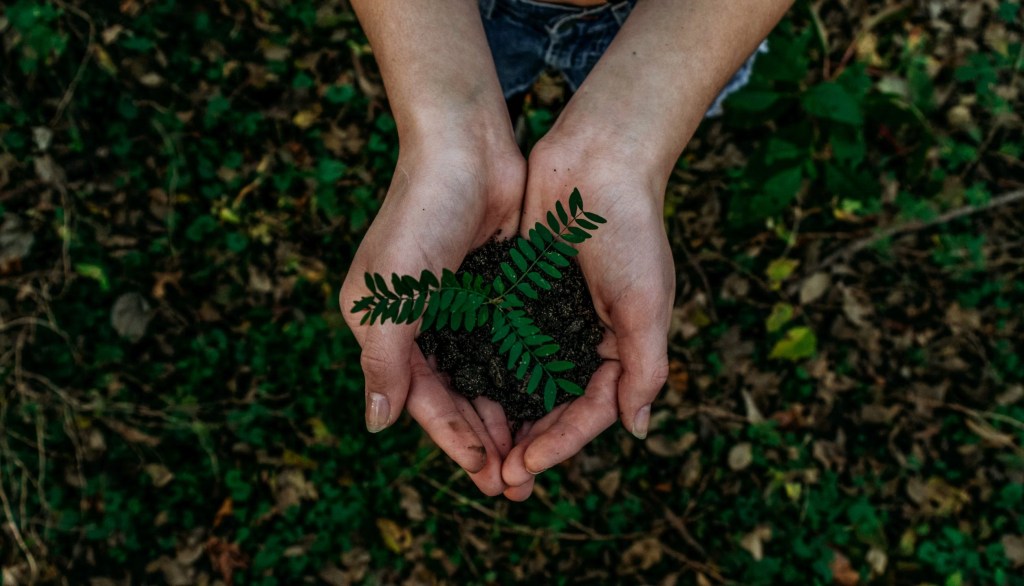
Has Africa’s Great Green Wall finally found its groove?
For years, the Sahel’s much-hyped “Great Green Wall”—an 8,000-kilometer mosaic of forests, farms, and grasslands intended to halt desertification—was stuck in limbo, bogged down by weak funding and vexing local conflicts. But guess what? The project seems to be coming back with a vengeance, courtesy of a new accelerator program that’s pouring billions of dollars into reversing decades of deforestation and land degradation. The Great Green Wall, launched by the African Union in 2007, aims to reforest 100 million hectares across the Sahel, create millions of jobs, and lock up 250 million metric tons of carbon by 2030. As of 2020, it had restored just 18 million hectares and created 350,000 jobs—far short of its lofty targets. A 2020 United Nations (UNCCD) report revealed the initiative was starved of coordination and badly lacking in metrics—no one quite knew how to measure or track the project. That frank assessment led to an accelerator program in 2021, complete with an extra $19 billion promised. Now, brand-new national coalitions in each of the 11 Sahel countries are gathering data on everything from tree planting to local job creation. To keep all those scattered efforts in sync, the UNCCD whipped up an online dashboard called the Great Green Wall Observatory. It’s a one-stop shop for donors, project managers, and starry-eyed environmentalists who want to see who’s planting what, where, and how. Optimists point out there are now more than 300 tracked projects, and those newly minted national coalitions are finally talking to each other.
Senegal’s massive mangrove comeback
In the town of Joal, Senegalese communities are leading one of the world’s largest mangrove reforestation programs. Under the Livelihoods–Senegal project, locals are planting trees that restore ecosystems, absorb carbon, and protect coastal fisheries. The grassroots initiative strengthens climate resilience while improving incomes for fishers. Senegal’s model is already being studied across West Africa as an example of community-led environmental innovation.
AfDB launches Africa carbon support facility
The African Development Bank unveiled a new Carbon Support Facility to help African nations build capacity in carbon trading. It aims to improve national policies, monitoring systems, and integration with global carbon markets—giving Africa a bigger stake in climate finance. Carbon credits from African renewable and conservation projects could soon be traded at higher value. The facility is seen as a breakthrough in Africa’s efforts to monetize its environmental stewardship.
V. ARTS, CULTURE & CREATIVE ECONOMY
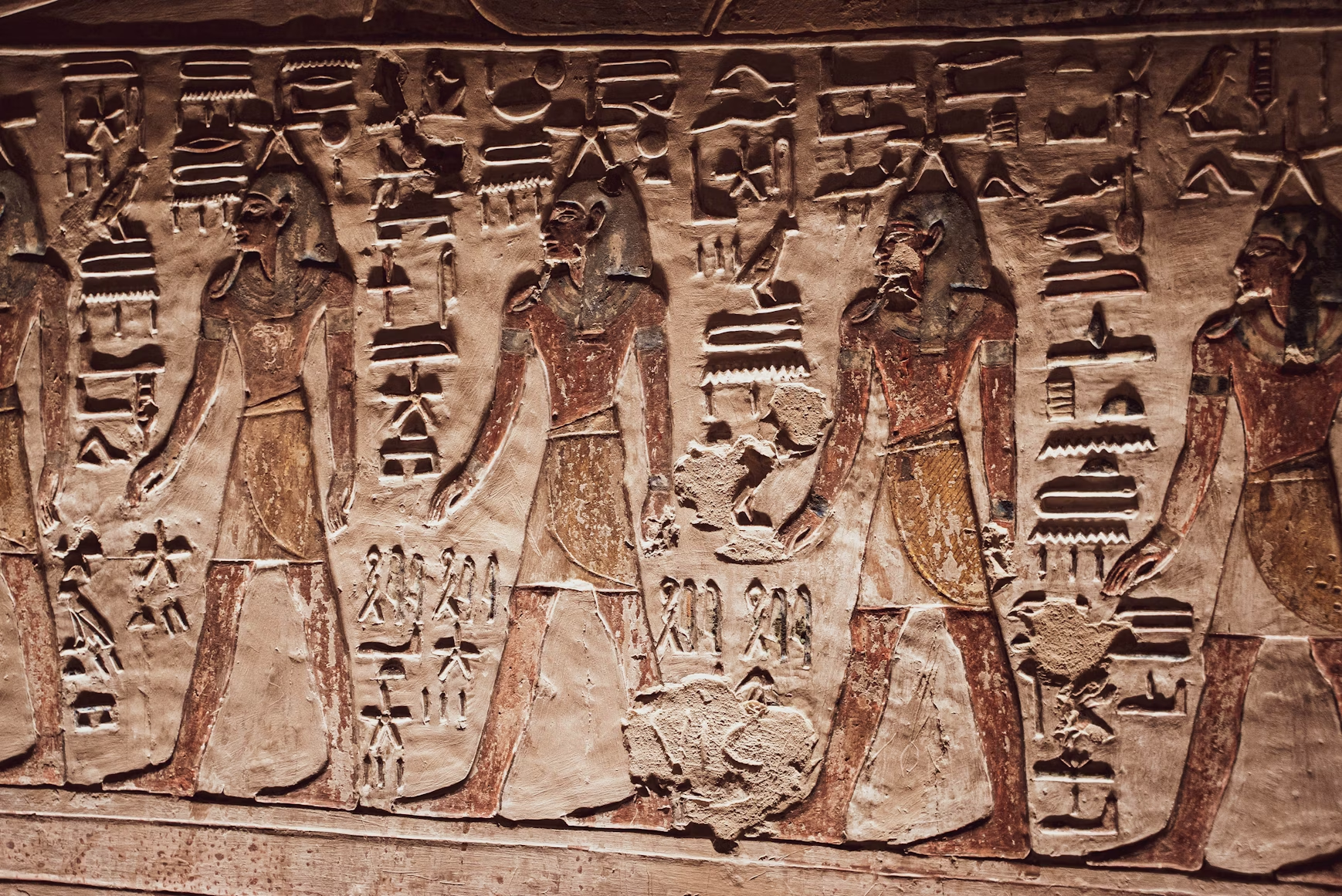
How the African Diaspora Is “Coming Home” for a new creative boom
London-based painter Emma Prempeh, brushes in hand, landed in Ghana for the first time in ages – this time not just to play tourist, but to mount a legit solo show at Accra’s ADA Contemporary Art Gallery. It’s her father’s homeland, and she had that I’m-seeking-my-roots moment that many diaspora kids daydream about. Fast-forward a few months, and she’s also popping up in Cameroon, Nigeria, and even rummaging through her mother’s Caribbean heritage. And she’s not alone. Turns out, Africa is now brimming with these “long-lost” stars of the art world – folks who grew up in London or New York or Brussels but still have Ghanaian, Nigerian, or even Ethiopian roots. Yinka Shonibare, the iconic British-Nigerian artist, unleashed a major show in Lagos a while back. Amoako Boafo, raised in Ghana and based in Vienna, keeps cameoing at Accra’s Gallery 1957. There’s an army of others: big names, up-and-comers, all hustling their way back to various corners of the continent. So, why the diaspora deluge? Ask any of them, and you’ll get a swirl of answers: From “I want to show my father I’m legit” to “the local audience just gets me” or “my maternal grandmother was from this village, you see.”
Idris Elba wants to build the “African Odeon”
Idris Elba is thinking big about Africa’s entertainment infrastructure. At SXSW, the actor-entrepreneur revealed his ambitious goal to establish a cinema chain across the continent, addressing what he calls a critical gap in theatrical exhibition. “I’d love to build the African Odeon,” Elba declared during a panel discussion. He noted that the entire African continent has fewer than 3,000 cinemas, creating a massive underserved market. “I believe that the cinema experience that we all have gone through should be experienced by a new generation.” The ‘Luther’ star’s vision extends beyond just building theaters. He wants to create a comprehensive ecosystem that supports African creators from production through distribution, leveraging data to prove market viability to global partners. Central to Elba’s strategy is the Akuna Wallet, a blockchain-based financial platform designed specifically for Africa’s creative industries. Named after Elba’s middle name, Akuna represents the Africa-facing side of his business operations. “We’re trying to understand how we can build that data set that allows companies and conglomerates to look at Africa and see that this does work,” Elba explained. The wallet aims to solve cross-border payment challenges that have long plagued African creators… The wallet is currently being tested in a regulatory sandbox environment in Ghana, with support from the country’s central bank.
Stolen bronzes return to Nigeria from the Netherlands
A ceremony in Nigeria has seen the historic return of 119 ancient bronze sculptures from the Netherlands. The artefacts were handed over to museum authorities almost 130 years after they were taken by British colonial forces.
VI. SOCIETY & LIFESTYLE

Sky-high dreams: Africa’s luxe apartment craze hits the stratosphere
Across West Africa’s coastline, cranes are the new national bird. Lagos alone has roughly 600 condos in the $1 m-plus club rising skyward, even though average GDP per head is stuck at $800. Real estate now nips at oil’s heels, pumping nearly the same slice into Nigeria’s GDP. Ghana’s Accra greets arrivals with duty-free perfume on the left and glossy brochures for off-plan penthouses on the right. Abidjan? Land prices climbing 10% a year for a decade. Why the gold rush? A richer, larger diaspora now prefers “home sweet home” to offshore Swiss accounts, partly because regulators finally started asking awkward questions. Dollar-denominated deeds in Dakar and Ivory Coast look a lot safer than money wired to never-never land. Rents are pegged to the greenback, hotel suites are scarce, and build-to-rent developers happily play matchmaker between absentee owners and tenants who’ll foot the eye-watering bill. Mixed-use complexes (luxury flats stacked atop malls and sushi bars) offer middle-class window-shoppers a taste of glam, even if the buy-in remains fantasy-league. Bubble worries? Sure, sceptics have forecast a crash every year since 2010. Yet high-net-worth wallets and a chronic shortage of other investment toys keep the party going.
Three Cape Town Restaurants named among the World’s Best in 2025
The “World’s 100 Best Restaurants 2025” list has just been released, and three extraordinary South African restaurants have made the global cut, all proudly based in the heart of Cape Town. La Colombe: Located on the beautiful Silvermist organic wine estate at the top of Constantia Nek, La Colombe has long been revered as one of South Africa’s finest restaurants. La Colombe is known for its theatrical dining experience. Think multi-sensory plating, secret boxes that release aromatic smoke and edible surprises designed to spark joy. Chef James Gaag and his team create elegant dishes grounded in French technique and accented with Asian flourishes.” Fyn: Pronounced “fayn,” this trailblazing restaurant merges African stories with Japanese precision, all from the fifth floor of a transformed 19th-century silk factory in central Cape Town. Using fish, poultry and meat from the best local suppliers, the chefs serve a menu with dishes such as the signature hazelnut-crusted springbok with salt-baked celeriac, black figs and mountain sage. Salsify at the Roundhouse is within a historic 1700s guardhouse in Camps Bay. It plays host to an exemplary six to 10-course menu driven by a mantra of simplicity and local and foraged produce from land and sea. These aren’t just wins for individual restaurants, they’re big wins for South Africa’s food industry, for young chefs pushing boundaries, for local farmers and producers supplying world-class ingredients and for diners who believe in the magic of a well-prepared meal.
VII. SPORTS & YOUTH

Zimbabwe’s Kirsty Coventry makes history as Olympics’s first female President
Kirsty Coventry has made history as the first woman and first African to lead the International Olympic Committee (IOC), officially taking office this week. A two-time Olympic gold medalist and Africa’s most decorated female Olympian, Coventry brings a legacy of athletic excellence and trailblazing leadership to her office. She was a member of the IOC Athletes Commission for eight years and its chairperson for three years, Zimbabwe’s sports minister from 2018 until she was elected IOC president, and a member of the IOC Executive Board from 2023 until her election. As IOC president, Coventry champions inclusive leadership and gender equality, drawing from her experiences as an athlete, minister, and mother. While cautious on contentious issues, her rise offers renewed optimism—including the dream of an African-hosted Olympics.
30th Anniversary: How ‘Madiba Magic’ inspired Springboks to World Cup glory
Three decades ago, 24 June 1995, ‘Madiba Magic’ inspired South Africa to their seminal win over New Zealand in the 1995 Rugby World Cup final. His impact on the Springboks during the 1995 Rugby World Cup was immeasurable. Mandela’s friendship with captain Francois Pienaar would later come to life in the 2009 film ‘Invictus’, which starred Morgan Freeman and Matt Damon as President and player respectively. During the final, Madiba – the clan name by which he was affectionately known – wore the Springboks colours, which had long been seen as a vestige of apartheid. This gesture was a masterstroke, as he sought to recast the emblem for all South Africans, sprinkling his charisma, known as ‘Madiba Magic’, on the momentous occasion. “I think back to what Mandela did, how he united a country by wearing that green Springbok jersey – the jersey of his oppressors – into the stadium,” recalls Sean Fitzpatrick, who captained New Zealand in the final that day. “I don’t think anyone else could have done what he did in terms of uniting a country.”
Maluach’s rise from South Sudan to 10th pick at NBA Draft
Khaman Maluach used to dream the impossible as he walked the dusty streets of Kawempe, a disadvantaged suburb on the outskirts of Uganda’s capital Kampala. On Wednesday evening, that dream became a reality as the 18-year-old’s name echoed through the Barclays Center in Brooklyn, having been announced as the 10th pick at the 2025 National Basketball Association (NBA) Draft. The 7ft 1inch center had worn a special suit jacket for the occasion, with lining which displayed the South Sudanese and Ugandan flags. Back home in Entebbe, Uganda, where his family is based, joy had erupted. His mother, Mary Aweng, elder brother Majok Madit Maluach and other siblings burst into a celebratory dance and said a heartfelt prayer as they heard his name called. Majok described the moment as “a blessing” for the family and for Africa. Maluach’s family had planned to be by his side, but their visa applications were denied because of a United States travel ban affecting South Sudanese citizens.
South African teen just became the most wanted kid in football
Camden Schaper, a 13-year-old football superstar-in-the-making from Benoni, is reportedly about to be signed by Chelsea. Yes, that Chelsea. The Premier League club. And it’s not just Chelsea that wanted him, according to reports, Manchester City, United, Arsenal, and Liverpool were all watching him closely, hoping to make a move. But it looks like Chelsea have snapped him up, reportedly offering around £700,000 to secure the rising star. He was part of the SuperSport United academy and made waves early on. In 2021, he captained their under-11 team through an unbeaten tour in Spain. Scouts were immediately intrigued. Soon, he was invited to Sporting Lisbon in Portugal. Then Manchester United noticed him too and brought him in for a training stint when he was just eight years old. The only thing that held him back was COVID. But even that didn’t stop his drive. By 2023, his family packed up and moved to the UK so Camden could chase his dream. And he’s been absolutely smashing it. At Blackburn Rovers, he plays as an attacking midfielder and has been punching way above his age group, racking up a jaw-dropping 45 goals and 65 assists in a single season. Soon, the biggest clubs in the world were lining up, but Chelsea came in strong…
What happens if you mix football and skateboarding?
In Nigeria’s northern Kano State, an unusual form of football is challenging perceptions and changing lives. Many of those who play skate soccer were once beggars, but have now been given a chance to shine on the pitch and support their families.
Hoops and rhymes boosting Africa’s creative economy
The fifth edition of the Basketball Africa League (BAL) is attracting fans for both the action on court and the entertainment off it. The relationship between music and the sport is a long-standing tradition, with basketball stars often exploring cultural ventures and artists drawing inspiration from players. So it is no surprise that, just like the NBA, the BAL is leveraging the power of entertainment, not just to help grow the game on the continent, but also boost Africa’s creative economy.
Al Ahli Tripoli wins 2025 Basketball Africa League Title
Libya’s Al Ahli Tripoli stunned the continent by winning the 2025 BAL Championship in Pretoria, beating Senegal’s AS Douanes. This is the first time a Libyan club has claimed Africa’s most prestigious basketball title. The victory marks a sporting renaissance for Libya and underscores the rise of North African teams in the BAL’s competitive arena. The league continues to showcase elite African talent and inspire youth across the continent.
Gambian youth start circular migration to Spain
In late June, a group of Gambian youth departed for Spain under a new legal circular migration agreement, the first of its kind in West Africa. Participants will work temporarily in Spain before returning home with new skills and earnings. The program aims to address youth unemployment while offering a safe, structured alternative to risky migration. If successful, it could become a blueprint for similar initiatives across the continent. In August, 2024, Spain Prime Minister Pedro Sánchez signed an agreement and Memorandums of Understanding (MoUs) with Gambia to establish a formal framework for circular migration following the surge of irregular migrant arrivals in the Canary Islands. Spanish law enforcement officers, including police officers and civil guard members, are currently deployed in The Gambia to assist with border enforcement.
AU trains emerging leaders at inaugural youth summit
From May 28–30, the African Union hosted its first Pan-African Youth Leadership Training at its headquarters in Addis Ababa. 25 young leaders were trained in governance, peacebuilding, and civic leadership using the AU’s new youth manual. The training was anchored on the newly launched Pan-African Youth Leadership Manual, developed by the AGA-APSA Secretariat. This manual serves as a comprehensive capacity-building tool designed to equip young Africans with practical knowledge and leadership skills relevant to governance, peace, and security on the continent. The initiative reflects a commitment to empowering Africa’s next generation of changemakers. Participants leave with tools to serve their communities and engage meaningfully in continental policymaking. The development and rollout of the Pan-African Youth Leadership Manual aligns with the AGA-APSA Citizen Engagement Strategy (2025–2030), particularly its focus on enhancing youth capacities across the continent.
 The Africa Edition ©️
Leave a comment