News That Matters To Africa – Overlooked and Misunderstood©️
FRIDAY’S FOCUS EDITION
Good News Africa! A weekly spotlight on Africa’s bright sides.
THE FRIDAY QUOTE
“When the axe entered the forest, a tree said “ look…the handle is one of us”.
I. Politics, Diplomacy & Governance
II. Business, Economy & Energy
III. Health
IV. Arts, Culture & Heritage
V. Environment & Conservation
VI. Education & Empowerment
VII. Sports
Politics, Diplomacy & Governance

Europe Courts Africa as Trump’s Tariffs Disrupt Global Trade
As global trade faces turbulence from Trump’s tariffs and China scales back its investments in Africa, Europe is positioning itself as a reliable long-term partner for the continent. Speaking at the EU-Kenya Business Forum, European Investment Bank (EIB) Vice President Thomas Ostros said Europe offers partnerships on equal footing to Africa amid growing global uncertainty. Ostros warned that the Trump administration’s trade policy, which subjects 29 African nations to baseline US tariffs and others to levies as high as 50%, could erode global wealth, particularly in the US. Meanwhile, the EIB, which lends over $5 billion annually in Africa, is eyeing key projects on the continent, including Kenya’s rapid bus system and a $110 million loan to Family Bank for SME financing.
Rwanda returns workers lured in Asian trafficking schemes
The authorities in Rwanda intervened after several of its citizens who were stranded in Southeast Asia reached out to one of the country’s social media influencers for help. The Rwandans said they were trapped in Myanmar and Laos after traveling there to work. The influencer, Richard Kwizera, tagged the government on his platforms. Ten of the Rwandans have since been repatriated. “There are dozens of Rwandan nationals trafficked to Southeast Asian countries, especially Myanmar and Laos, who are appealing to the Rwandan government to help facilitate their return home,” said Kwizera. They were victims of job scams, he added. In Rwanda, fraudsters who offer jobs and other opportunities abroad and solicit money from unsuspecting people are becoming increasingly active. Young people who travel to Asia and the Middle East for jobs then often find themselves being forced into commercial sex work and other dangerous occupations.
Beauty queen, lawyer and Botswana’s youngest cabinet minister
Lesego Chombo’s enthusiasm for life is as infectious as her achievements are impressive: she has won the Miss Botswana 2022 and Miss World Africa 2024 crowns, is a working lawyer, has set up her own charitable foundation – and made history in November, becoming Botswana’s youngest cabinet minister. She was just 26 years old at the time – and had clearly impressed Botswana’s incoming President Duma Boko, whose Umbrella for Democratic Change (UDC) had just won a landslide, ousting the party that had governed for 58 years. It was a seismic shift in the politics of the diamond-rich southern African nation – and Boko, a 55-year-old Harvard-trained lawyer, hit the ground running. His main focus, he said, was fixing an economy too reliant on diamonds, and he wanted young people to be the solution – “to become entrepreneurs, employ themselves and employ others”. Key to this was finding a suitable ambassador – and Chombo was clearly it: a young woman already committed to various causes. He made her minister of youth and gender.
Tanzania and Angola Deepen Bilateral Ties
Tanzanian President Samia Suluhu Hassan and her Angolan counterpart João Lourenço have reaffirmed their commitment to deepening bilateral relations, signaling a stronger chapter in the historical ties between the two nations. Following a state visit to Angola, President Suluhu said that her visit was far more than a diplomatic occasion. “It was a declaration of intent, boldly reaffirming our enduring friendship and a commitment to elevate our bilateral relations to new heights,” she said. Describing it as a “game changer,” she underscored the importance of reinvigorating ties first forged by founding leaders Mwalimu Julius Nyerere and Agostinho Neto. Historically united by a shared struggle for liberation and Pan-African ideals, Tanzania and Angola are now pivoting toward mutual economic transformation. The leaders acknowledged that while political solidarity remains strong, economic cooperation has yet to reach its full potential. Key areas of focus included trade, energy, transport, agriculture, and minerals. Angola’s experience in oil and gas and its robust energy infrastructure complement Tanzania’s growing economy, investment potential, and strategic location as a trade gateway in East, Central, and Southern Africa.
”We are going to reset Accra” – New Mayor
The newly confirmed Mayor of Accra, Mr. Michael Kpakpo Allotey, has pledged to usher in a bold era of transformation for the capital city, committing to align its development with President John Dramani Mahama’s national agenda to “Reset Ghana.” Speaking at his confirmation ceremony on Tuesday, Mr. Allotey received unanimous support from members of the Accra Metropolitan Assembly, securing 100 percent of the votes in a strong show of confidence. Addressing the assembly and invited guests, he made it clear that a new chapter had begun for Accra. “We are going to reset Accra from now on. It begins now,” he declared, prompting enthusiastic applause from those in attendance. Mr. Allotey underscored that this “reset” would be rooted in the principles of inclusive growth, accountability, and visionary leadership—values that reflect the national direction being charted by President Mahama.
Business, Economy & Energy

TotalEnergies to Begin Exploration in South Africa in 2026
French energy giant TotalEnergies has announced plans to initiate offshore drilling operations in South Africa starting in 2026, contingent upon receiving the necessary regulatory approvals. This development marks a pivotal moment in South Africa’s ongoing efforts to bolster its domestic oil and gas exploration sector and reduce dependence on imported energy. The planned drilling campaign is seen as a strategic move to unlock potential hydrocarbon resources that could significantly improve South Africa’s energy security. TotalEnergies has already made notable progress in South African offshore exploration. Among its key discoveries are the Brulpadda and Luiperd gas fields, both situated in the Outeniqua Basin near Mossel Bay. These fields are regarded as some of the most promising offshore hydrocarbon finds in the region.
Africa’s Fastest-Growing Companies 2025 – FT
Africa’s two biggest, albeit sluggish, economies continue to dominate the Financial Times’ ranking of the fastest-growing African companies with more than half of the 130 companies listed from South Africa and Nigeria. The presence of 79 businesses from the two nations — South Africa alone accounts for 51 — reflects the size and entrepreneurial depths of both economies. The African countries with the highest number of top-performing companies in 2025 were South Africa (51); Nigeria (28); Kenya (12); Morocco (12); Mauritius (9).
The fastest-growing company in Africa is OmniRetail Technology Limited (an Endeavor Company), according to Financial Times’ 2024 rankings. They were followed by Kyosk Digital (Mauritius, E-commerce); Resourgenix Pty Ltd. (South Africa, Employment Services); Moniepoint Inc. (Nigeria, Fintech); and Afex Commodities Exchange Ltd. (Nigeria, Fintech)
Washington’s energy U-Turn Is good news for Africa
Amid the shock, condemnation, and derision that have met the Trump administration’s early steps on the international stage, a moment of rare cheer came during a speech by U.S. Energy Secretary Chris Wright at the Powering Africa Summit in Washington in March. Interrupted by applause from African leaders, Wright said the Trump administration “has no desire to come and tell you what you should do with your energy system. … It’s a paternalistic, postcolonial attitude I just can’t stand.” More applause came when he told the summit that coal would remain the world’s largest source of electricity generation for decades. He ended his speech with a promise: “Climate change is a real thing, but to put it not only on par with human lives but superior to human lives … this administration will not do that.” Wright left the stage to a standing ovation. Key members of the administration clearly understand some very important things about energy and climate change: first, that energy is the lifeblood of all modern economies, and second, that there is no just or even plausible path to addressing climate change that obstructs the development aspirations of poor countries.
Multi billions in store for African economies deploying AI
Africa’s economies could unlock up to $103 billion in annual value if they deployed generative artificial intelligence at scale, said consultancy firm McKinsey. It estimates more than 40% of African institutions have either experimented with or implemented generative AI solutions, pointing to Kenya’s personalized educational curricula and South African models for small business owners to better understand finances. The continent’s retail sector has the highest potential for unlocking economic value with the aid of generative AI, McKinsey projected, followed by sectors including travel and logistics, education, and construction. But realizing this potential will require filling many gaps on the continent, from limited infrastructure and expertise to uncertainty around regulation. “Strong gen AI ecosystems are built on robust infrastructure including reliable power, high-performance computing, and regional cloud resources,” the report authors said.
Danone doubles down on Nigeria
French food giant Danone is doubling down on its plans to invest in Nigeria, even as other multinationals have pulled out of the continent’s largest consumer market in the last two years. “We are convinced about the potential of Nigeria,” said Christian Stammkoetter, Danone’s head of Asia, Middle East, and Africa, on the sidelines of the Africa CEO Forum in Abidjan. Procter & Gamble, GSK, and Unilever, are among the multinationals that have either severely cut back their presence in Nigeria or pulled out, typically citing currency devaluations and rampant inflation after President Bola Tinubu’s administration applied tough economic policies soon after coming to office nearly two years ago. But Danone has long been operating in Nigeria, where it is best known for its Fan Milk brand, and recently invested in developing milk distribution capacity in the country’s north to help lower operational costs. Stammkoetter said the company will “continue doubling down through innovation and expansion of its routes to market.”
Gold protected Ghana
Ghana’s gold and cocoa exports have protected the country’s economy from the global fall in oil prices, President John Dramani Mahama said. Crude, the nation’s second-largest export, has plunged in value since US President Donald Trump took office in January. Mahama, speaking at the Africa CEO Forum in Abidjan, said Ghana had benefited from being “a bit more diversified than other countries,” thanks to its main exports of gold, oil, and cocoa. In particular, gold, the country’s biggest export, had insulated the economy. “When the world gets unpredictable, one commodity increases in price: Gold. There’s gold everywhere in Ghana,” he said.
Health

Africa CDC Unveils Strategic Plan to Transform Health Financing and Advance Self-Reliance
With external health aid to Africa expected to plunge by 70% between 2021 and 2025, the Africa Centres for Disease Control and Prevention (Africa CDC) has launched a continent-wide strategy to radically transform how health systems are financed, putting African resources at the centre of African health. The sharp decline in official development assistance, paired with a 41% surge in disease outbreaks from 2022 to 2024, is overwhelming already stretched health systems. Without urgent reform, the continent risks losing decades of hard-won progress in disease control, maternal care, and epidemic preparedness. Africa CDC’s response is deliberate and strategic. In collaboration with African Union Member States, the agency will guide efforts to revise national health financing plans, strengthen domestic investment in health, and pilot innovative, context-specific revenue mechanisms designed to mobilise sustainable and predictable funding.
Africa CDC Commends Uganda’s Leadership in Ending Eighth Ebola Outbreak
The Africa Centres for Disease Control and Prevention (Africa CDC) commends the Republic of Uganda for officially declaring the end of its eighth outbreak of Sudan Ebola Virus Disease (SVD). Since the last reported case on 2 March 2025 and the discharge of the final patient from the treatment centre on 14 March 2025, the country has recorded no new infections for 42 consecutive days. Health authorities reported a total of fourteen cases (12 confirmed and two probable). which resulted in four deaths (case fatality rate, CFR= 28.6%). All ten patients who were admitted for treatment recovered. They have since enrolled in the survivors’ care program for psychosocial support and other recovery services. These survivors have been successfully reintegrated into their communities and no longer pose a risk of transmission. Additionally, out of 534 identified contacts, 85.2% were successfully quarantined and closely monitored throughout the response. “This success reflects not only scientific and operational excellence, but also the strength of African unity and leadership. Uganda has demonstrated that collective action and resilience can overcome even the most formidable public health challenges,” said Dr. Kaseya.
Plans underway for Africa to produce 8 vaccines by 2040
The African Union has set a target for 60 percent of vaccines used on the continent to be produced locally by 2040, aiming to strengthen regional health security and reduce reliance on imports. Currently, Africa manufactures only 1 percent of the vaccines it needs, which limits its ability to respond effectively to disease outbreaks. However, progress is being made, with plans for three companies in South Africa and Senegal to produce eight vaccines by 2030.
Video: Cabblow Studios turns medicine into animation
Meet the founders behind Cabblow Studios, Kabelo Maaka and her clinician mother, Dr. T. The duo has combined their talents in animation, medicine, and innovation to make educational cartoons on health issues.
Video: A recycling scheme that helps fund cancer treatment
An NGO in war-torn Libya collects plastic waste and sells it to European companies for re-use. The proceeds go to cancer patients who need chemotherapy.
Arts, Culture & Heritage
The African Designers Who Stole the Spotlight at the 2025 Met Gala
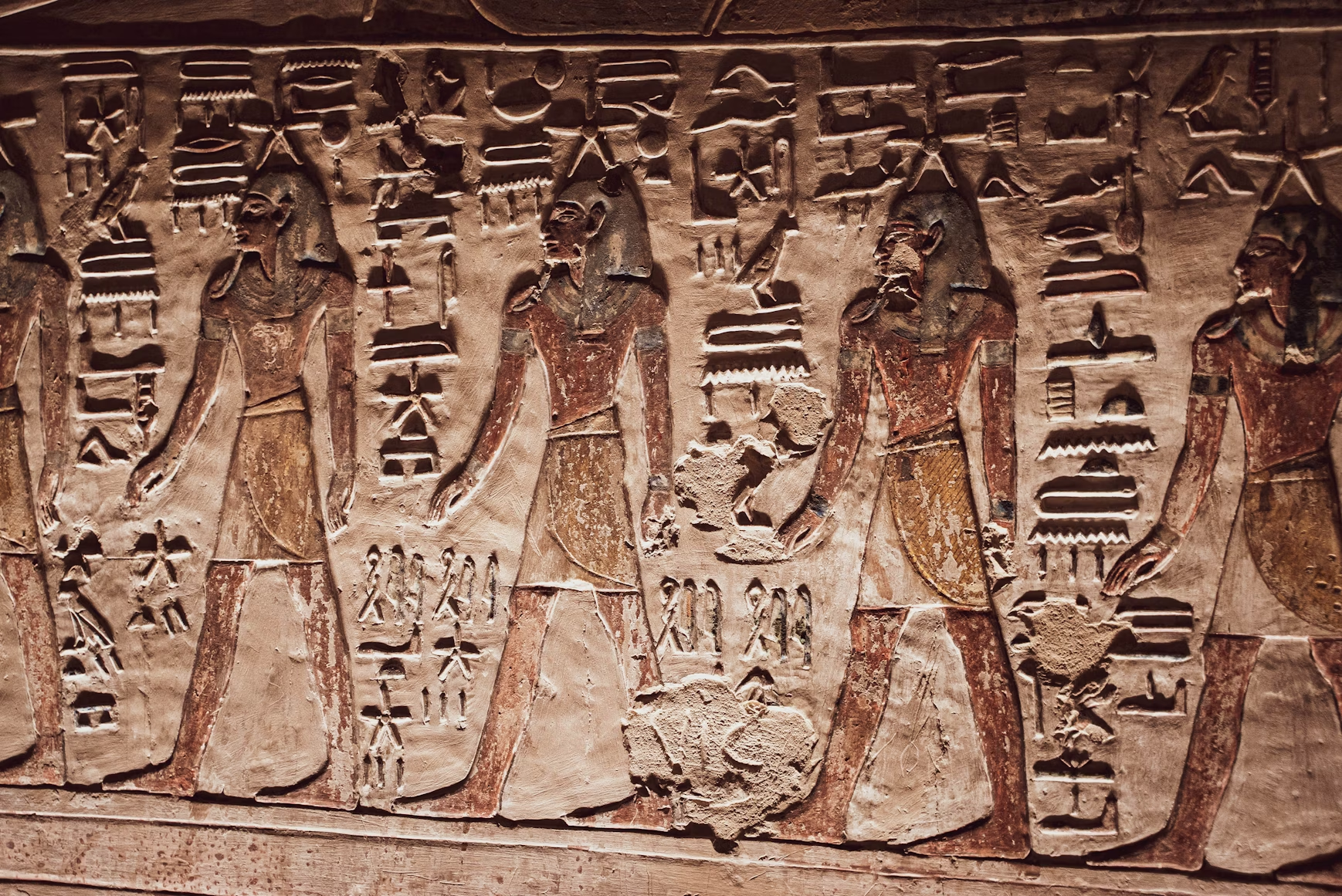
This year’s Met Gala was always going to make history, but it did so in more ways than expected, as several African designers made their debut on the iconic stairs of the Metropolitan Museum of Art. The glitzy annual event, designed to raise funds for the museum’s Costume Institute, finally – in its 77-year history – paid tribute to the indisputable influence of Black style. Through the Costume Institute’s much anticipated exhibition, Superfine: Tailoring Black Style, and through the fundraiser itself, Black style took center stage. The exhibition specifically explores the ways in which Black men have used fashion as a tool for resistance and reinvention. This year’s event features more than half a dozen African designers making outfits not just for African stars, but a diverse slate of celebrities. Designers of African descent often reference their diverse heritages and personal journeys in their work, frequently taking inspiration from and amplifying forgotten or overlooked histories of Black people in the process. African designers taking the spotlight on one of fashion’s biggest nights signals that the continent’s diverse stories and talents are no longer on the margins, but are contributing to the conversation.
Nigerian Brothers are Making Cannes History
Filmmakers Akinola Davies Jr. and Wale Davies will premiere their film at the prestigious film festival this weekend, hoping to drive conversations around fatherhood and nationalism. For Wale Davies, the events of June 1993 in Nigeria and their aftermath can be distilled and split into two significant parts. “The collective groan of a nation on June 12 (the day a much-awaited presidential election was forcibly annulled) and the collective cheer when we won the Nations Cup in 1994, just a year later,” he says. These moments showed Davies how the actions of a few could dampen or uplift the spirits of a whole nation and raised questions about the small, untold stories in the background as these events played out. Decades later, Davies, alongside his brother Akinola Davies Jr., returned to that period in My Father’s Shadow, a semi-autobiographical retelling of the events of June 12, 1993, through the eyes of a father and his two sons. Directed and written by Davies Jr. and co-written by Davies, My Father’s Shadow is set to premiere at the Cannes Film Festival this Sunday in the Un Certain Regard selection. It is the first Nigerian film to be officially selected by Cannes…
Meet the 10 Ghanaians Changing the World—and Africa’s Global Image
From NASA labs to WWE rings, ten Ghanaians are breaking barriers and redefining what it means to lead on a global stage. Architect David Adjaye, marketer Bozoma Saint John, and healthcare innovator Gregory Rockson are reshaping industries while honoring their roots. Shirley Ayorkor Botchwey made history as the first African woman to lead the Commonwealth, and YouTube star Wode Maya is reshaping global narratives about Africa, one video at a time. Meanwhile, NASA’s Ashitey Trebi-Ollennu and surgeon Michael Obeng are taking African brilliance to space and operating rooms. From diplomacy to design, wrestling to robotics, this remarkable group is not just representing Ghana—they’re reshaping global perception of Africa, one bold move at a time.
Pictorial: The best of the Contemporary African Art Fair 2025
The 1-54 Contemporary African Art Fair opened in London, New York City and Marrakech. It remains the first and only fair dedicated to contemporary art from Africa and its diaspora and this year saw a total of 30 galleries and more than 70 artists. The show ran from 8 to 11 May
Pictorial: The best of the Contemporary African Art Fair 2025
The 1-54 Contemporary African Art Fair opened in London, New York City and Marrakech. It remains the first and only fair dedicated to contemporary art from Africa and its diaspora and this year saw a total of 30 galleries and more than 70 artists. The show ran from 8 to 11 May
2025 Africa Magic Viewers’ Choice Awards Celebrates African Cinema
The 11th edition of the Africa Magic Viewers’ Choice Awards (AMVCA) held on May 10, 2025, at the prestigious Eko Hotel and Suites in Lagos, brought together the brightest stars and creatives in African film and television for a night of glamour, celebration, and recognition. The event honoured exceptional talent across the continent, spotlighting the actors, filmmakers, and content creators who have shaped African storytelling over the past year. This year’s AMVCA proved to be more than an awards show—it underscored the global rise of African entertainment, where tradition and innovation converge to tell compelling, authentic stories. With its continued impact, the AMVCA remains the continent’s leading platform for celebrating excellence in film and television. Femi Adebayo’s film Seven Doors clinched two of the most coveted awards — Best Lead Actor (Femi Adebayo) and Best Lead Actress (Chioma Chukwuka), cementing its place as one of the standout productions of the year.
Wood from India, made in Africa: 6th century figurines found in Christian tombs in Israel
Two enigmatic 1,500-year-old human figurines carved in rare ebony wood from India or Sri Lanka and likely made in Africa have been uncovered in the Negev, the Israel Antiquities Authority announced Wednesday, in conjunction with the publication of an academic paper on the findings in the IAA journal Atiqot. The artifacts were unearthed in two late 6th/early 7th-century Christian tombs at the Tel Malhata archaeological site (northeastern Negev’s Arad Valley). Tel Malhata stands on a strategic location at the crossroads of two prominent ancient roads, one connecting Aila (near the bay of Aqaba, Jordan) with Jerusalem, and the other leading from the port of Gaza to the Dead Sea. The artifacts were found in two graves next to each other. One contained the remains of a woman between the ages of 20 and 40, and the second was of a child who was six to eight years old… “Experts at Tel Aviv University tested the wood and confirmed it came from India or Sri Lanka,” Michael said. “An ebony trade between Asia and Egypt and the Horn of Africa is attested starting from the 4th century CE.” The researchers believe that the figurines were carved in Africa based on the facial features of the humans they depict.
Ivory Coast’s colonial street names get a rebrand
Ivory Coast’s economic capital Abidjan has begun rebranding streets and boulevards that were named after its former colonial power France, opting instead for Ivorian and African names to ensure residents can better “identify with the city’s development”. Street names in Ivory Coast’s economic capital have taken on a decidedly more local flavour over the past few weeks, as African names have replaced French ones in France’s former colony. The road linking the airport to Abidjan’s city centre, for example, is no longer named after former French president Valéry Giscard d’Estaing, but for the man who led Ivory Coast following its independence from France in 1960, Felix Houphouet-Boigny.
Radio Mogadishu: echoes of a collective memory
A Somali scholar returns home to explore the historic Radiyo Muqdisho archives, mapping the collective memory of the Somali people. Radiyo Muqdisho was inaugurated in 1951 during the Trust Territory of Somaliland period. Broadcasts were conducted in Somali, Italian, English, and later also in Arabic and Amharic…In its heyday, the station played an important role in Somali public life. It now houses hundreds of thousands of reel-to-reel magnetic tape recordings, only a fraction of which have been digitised, with the vast majority still awaiting much-needed preservation…Today, a small group of young people under the supervision of lead archivists sit in stuffy rooms digitising up to three dozen tapes a day. Those committed to protecting their collective histories have ensured that Radiyo Muqdisho once again functions as an instrument of public life, as broadcasts continue to report on everyday events on a transnational level.
A small West African country has big artistic dreams
Starting an art biennale in a small country with virtually no galleries and no art schools — not even a formal shop to frame paintings and photographs — could have seemed impossible, the stuff only of dreams. But that’s exactly what a group of five artists from Guinea-Bissau, a nation of just over two million people in West Africa, decided to do. They could no longer sit “with their arms crossed and do nothing,” about what they saw as a dire gap in their country’s art infrastructure, said Nu Barreto, the visual and plastic arts curator of the country’s first biennale, MoAC Biss. The biennale is designed in part to create more opportunities for local artists, who have few current ways to display their work: at an outdoor artisanal market, or at internationally funded venues such as the Centro Cultural Franco-Bissau-Guineense. MoAC Biss, which began May 1 and runs through May 31 in Bissau, the capital city, features some 150 artists, from 17 countries… That the biennale was even opening was something of a feat, because it had lost more than half of its funding three weeks earlier when government upheavals in Portugal and Brazil — countries that had pledged support — caused funding to dry up. Then a nationwide blackout in Spain and Portugal delayed the arrival of one of the theater troupes.
Environment & Conservation
DRC to create the Earth’s largest protected tropical forest reserve
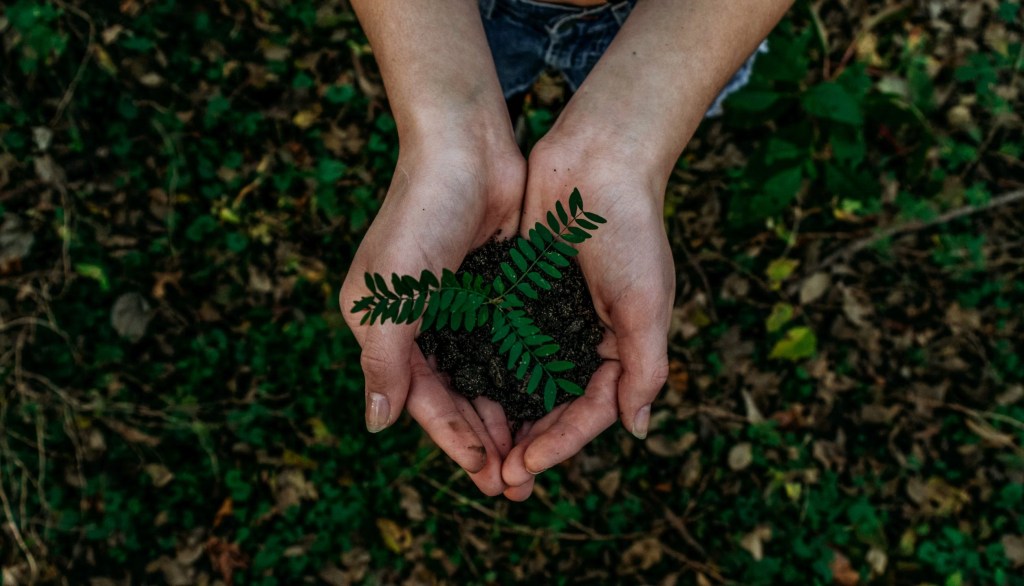
Through the Democratic Republic of the Congo (DRC) government’s bold and collaborative leadership, an inspiring plan is underway to protect, restore and revitalize the forest and its inhabitants. The Congo Basin is home to the largest expanse of intact tropical forest on Earth, covering approximately 3.7 million square kilometres. Facilitated by new legislation passed by the DRC parliament in January 2025, an area covering 540,000 km² (the size of France), within which 108,000 km² (the size of Iceland) is primary forest, is in the process of being protected through partnerships with communities that integrates conservation and restoration with green economic development. This forms the world’s largest protected forest area and consists of a network of economic hubs built on sustainable agricultural production and powered by renewable energy derived from the hydropower potential of the Congo River.
Namibia’s Wild Horses: A Legacy of War and Resilience
The wild horses of the Namib Desert, near Garub, are a living testament to resilience. Originating from military horses scattered during World War I, they adapted to the harsh desert environment, evolving into a unique herd. Left to fend for themselves over the years, these horses adapted in extraordinary ways. They shed the softness of domestication and developed into hardened creatures of the desert capable of going days without water, surviving temperatures that swing from searing heat to near-freezing cold, and subsisting on sparse vegetation. Over generations, the bloodlines of cavalry stock, transport animals, and stallions from stud farms merged into a single, uniquely adapted herd. Over time, their population dwindled due to drought and predation by spotted hyenas, with no foals surviving for several years. However, recent conservation efforts have led to the birth of new foals, offering hope for the herd’s future. These horses not only symbolize survival but also attract tourists, contributing to the local economy and highlighting the intersection of history, nature, and conservation.
Rediscovery of a “Lost” Gecko lizard in South Africa after 34 Years
Researchers who were dropped off by helicopter in a largely inaccessible and remote canyon in South Africa say they have discovered a type of gecko that hadn’t been seen in more than 30 years and was thought to be extinct — or maybe to have never existed at all. It was first identified 1991 only to not be seen again. Mystery surrounded the little lizard over the next three decades — was it extinct or were the two male specimens originally found actually just juveniles from another gecko species, as some suggested? Because the gecko hadn’t been recorded for more than 10 years, it was considered a “lost” species. The International Union for Conservation of Nature, the authority on threatened species, listed it as data deficient, meaning not enough was known to say for sure if it was extinct. Researchers returned to the same site last month determined to find the flat gecko again and solve the conservation conundrum. They only had three days camping on the outcrop to find the geckos, which are around 8-9 centimeters long when fully grown. “And when we did, we were elated to say the least,” said one researcher. He said they saw 20-30 specimens and captured and photographed seven, giving the world a glimpse of a lost gecko three decades in the making. The Endangered Wildlife Trust said the data they collected, including tissue samples, should allow them to confirm it is a distinct species.
South Africa Reports 16% drop in rhino poaching
South Africa recorded a roughly 16% drop in rhino poaching last year, with 420 animals killed for their horns vs 499 the previous year, the government said on Thursday. The country is home to nearly half of the critically endangered black rhino population in Africa and to the world’s largest population of near-threatened white rhino. Rhino horns — made primarily of keratin, a protein also found in human hair and fingernails — are prized in some East Asian countries for traditional medicine and jewellery. Environment minister Dion George partly attributed the year-on-year decline to a dehorning programme in KwaZulu-Natal, the hardest hit by poaching. The government’s strategies to clamp down on poaching include lie detector tests for staff in poaching hotspots such as the Kruger and Hluhluwe-iMfolozi parks, the minister said.
Vultures rescued from mass poisoning in South African game reserve
South African park rangers and a local wildlife organisation rescued more than 80 vultures from a mass poisoning in the country’s Kruger National Park this week, though they were unable to save over 120 vultures. Officials suspect poachers are to blame as they are increasingly using agricultural toxins to target species whose body parts are in demand for traditional medicine. Some of the vultures rescued are classified as endangered or critically endangered, including the white-backed vulture. The rescue was made possible by a wildlife-poisoning detection system in a remote section of the Kruger park. After being alerted to suspicious activity, the rangers who arrived on site discovered 116 dead vultures near an elephant carcass laced with poison. The death toll later rose to 123 vultures as more birds died on the way to a rehabilitation centre.
Video: Green Masters — turning schoolkids into eco-leaders
The Green Master is a program for Ugandan school kids that teaches them about environmental issues and encourages them to engage creatively with climate action.
Video: Dakar’s award-winning all-electric bus system
Winner of the 2024 International Sustainable Transport Award, Dakar has a new electric bus rapid transit system that cuts journey times and reduces pollution.
Video: Afrofuturism: Cyrus Kabiru makes art from trash
Kenya’s capital Nairobi has a bustling art scene and today we meet Cyris Kabiru who transforms everyday waste into striking works. They’ve even been exhibited at the Met Museum in New York.
Education & Empowerment
Ugandan Women Empowered Through Coffee Farming
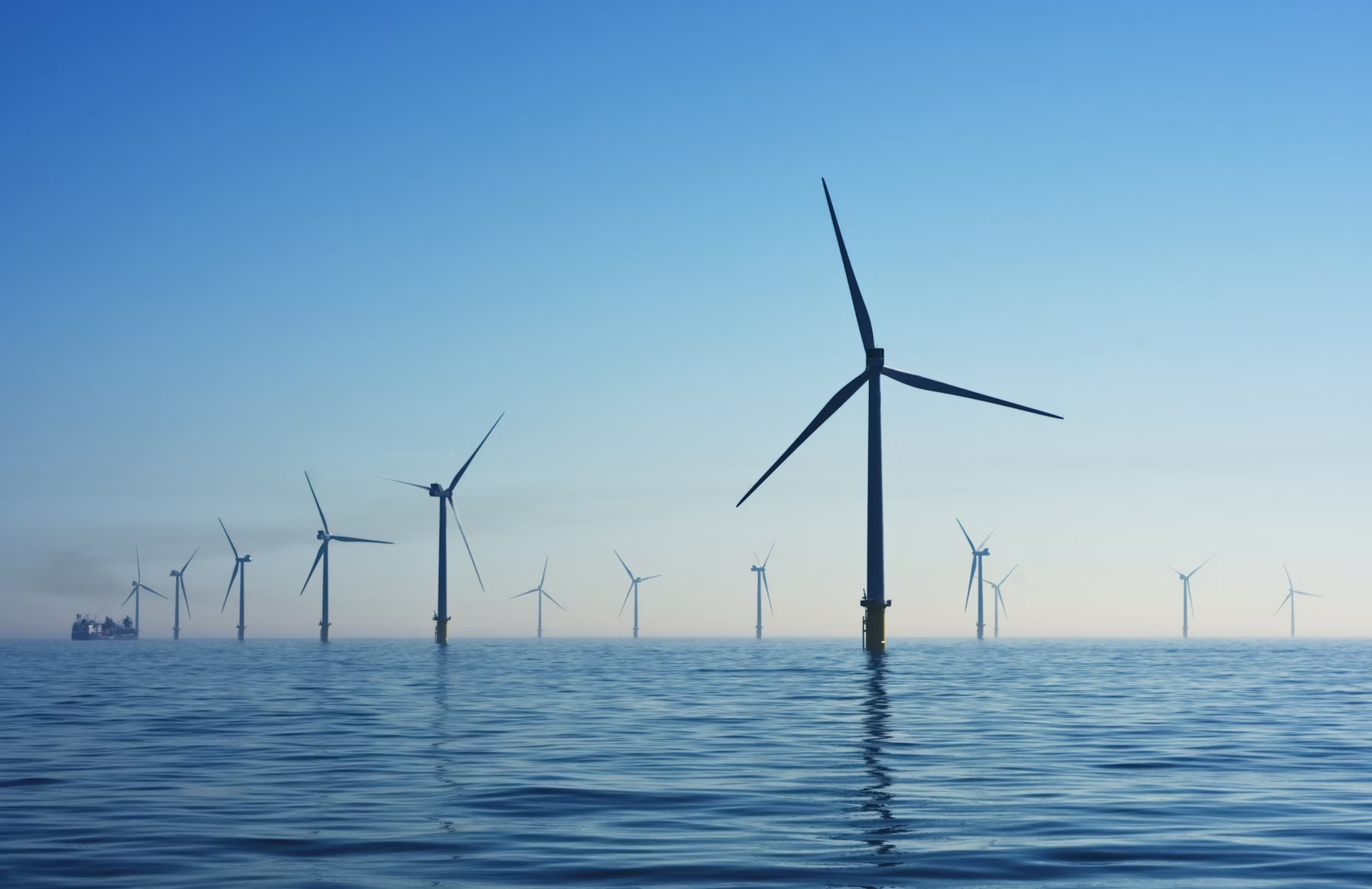
In Uganda’s Sironko district, Bayaaya Specialty Coffee, led by Meridah Nandudu, empowers female coffee growers, promoting financial inclusion and community development. Nandudu envisioned a coffee sisterhood in Uganda, and the strategy for expanding it was simple: Pay a higher price per kilogram when a female grower took the beans to a collection point. It worked. More and more men who typically made the deliveries allowed their wives to go instead. Nandudu’s business group now includes more than 600 women, up from dozens in 2022. That’s about 75% of her Bayaaya Specialty Coffee’s pool of registered farmers in this mountainous area of eastern Uganda that produces prized arabica beans and sells to exporters. “Women have been so discouraged by coffee in a way that, when you look at (the) coffee value chain, women do the donkey work,” Nandudu said. But when the coffee is ready for selling, men step in to claim the proceeds. Her goal is to reverse that trend in a community where coffee production is not possible without women’s labor. Uganda is one of Africa’s top two coffee producers, and the crop is its leading export.
A swimming coach in Nigeria provides inspiration to disabled people
About 20 children in shorts and vests gather at a swimming pool on a sweltering afternoon in Nigeria’s economic hub of Lagos. A coach holds the hand of a boy who is blind as he demonstrates swimming motions and guides him through the pool while others take note. It was one of the sessions with students of the Pacelli School for the Blind and Partially Sighted, where Emeka Chuks Nnadi, the swimming coach, uses his Swim in 1 Day, or SID, nonprofit to teach swimming to disabled children. The initiative has so far taught at least 400 disabled people how to swim. It has also aided their personal development. Nnadi recalled setting up the nonprofit after moving back to Nigeria from Spain in 2022 and seeing how disabled people are treated compared to others. It was a wide gap, he said, and thought that teaching them how to swim at a young age would be a great way to improve their lives. Some of them said that it gives them pleasure, while it is a lifesaving skill for some and it’s therapy for others. Experts have also said that swimming can improve mental well-being, in addition to the physical benefits from exercising.
Chess gets a boost in African schools
A new chess tournament in Lagos drew more than 500 students from some 100 schools, capitalizing on the growing popularity of the game since Nigerian chess player Tunde Onakoya set a new Guinness World Record for the longest chess marathon last month. ChessMasters, which aims to become Africa’s largest school chess tournament, is a partnership between several groups including the Chess in Slums Africa organization set up by Onakoya, who was born and raised in the slums of Ikorodu in Lagos. The inaugural tournament hopes to play a role in transforming education across the continent. “We see the ChessMasters tournament as more than a competition — it’s an extension of our belief in strategic thinking, focus, and intellectual curiosity,” said co-founder Damilola Okonkwo.
Sports
Angola first African country to host the AfroBasket in more than one city
FIBA Regional Africa formally announced that the cities of Luanda and Namibe in Angola will serve as the host cities for the 2025 AfroBasket. The Group Phase of the quadrennial event will be played in Luanda and Namibe, but the Final Phase will take place in the capital Luanda. In Namibe, games will take place at 3,500 capacity Pavilhao Multiusos Welwitschia Mirabilis while the 12,700-seater Kilamba Arena will host the games in Luanda. The Draw for the 2025 AfroBasket took place on Friday, May 9 in Luanda. The 16-nation 2025 AfroBasket will take place from 12-24 August.
Uganda secure promotion to 2025 Rugby Africa Women’s Cup
Uganda defeated Zimbabwe 63–7, sealing qualification for the elite 2025 Rugby Africa Women’s Cup. The Lady Cranes lived up to their billing as favourites in the Women’s Division 1 tournament in Côte d’Ivoire, finishing with a perfect win record in the round-robin event. They secured comfortable victories over Zimbabwe, Tunisia, and the hosts. On Saturday, in the final match of the competition, it was the dominance of Uganda’s forwards that laid the platform for the hard-running backs to shine — closing out the tournament with a one-sided display in what had otherwise been an entertaining week of rugby in Côte d’Ivoire’s second-largest city. Uganda now joins South Africa, Kenya, and Madagascar in the premier division of the Rugby Africa Women’s competition. These four nations were also the top finishers at the 12-team Women’s Sevens tournament held in Accra, Ghana, last November.
Video: The teen black pioneer preserving cavalry sport
Makhosazana “Khosi” Dlomo, a 19-year-old, is breaking barriers in one of South Africa’s least diverse sports. The teenager is not only the country’s sole black participant in tent pegging – a traditional cavalry sport – but also the only registered black female competitor across sub-Saharan Africa. Often seen as an elite sport pursuit dominated by white, middle-class riders, tent pegging remains on the fringes of South Africa’s sporting culture. But Dlomo is determined to change that – bringing fresh energy, visibility, and a fierce passion for the sport.
 The Africa Edition ©️
Leave a comment