News That Matters To Africa©️
FRIDAY’S FOCUS EDITION
Good News Africa! A weekly spotlight on Africa’s bright sides.
THE FRIDAY QUOTE
“War is a place where young people who don’t know each other, and don’t hate each other, kill each other, based on the decisions made by old people who know each other but hate each other, but don’t kill each other.”
POLITICS & INTERNATIONAL RELATIONS
WOMEN’S EMPOWERMENT & SOCIAL CHANGE
ENTREPRENEURSHIP, BUSINESS DEVELOPMENT & AGRICULTURE
CULTURAL & HISTORICAL PRESERVATION
TECHNOLOGY & INNOVATION
HEALTH & MEDICAL ADVANCEMENTS
TOURISM & REGIONAL COOPERATION
SPORTS & ENTERTAINMENT
VIDEO/PICTURES/AUDIO
POLITICS & INTERNATIONAL RELATIONS

UK and Mauritius close in on deal over Chagos Islands after US signals its consent
Britain and Mauritius are finalizing a deal to transfer sovereignty over the Chagos Islands, a disputed U.K. territory that is home to a major U.S. military base, the U.K. government said Tuesday. The government signaled that President Donald Trump’s administration, which was consulted on the deal, has given its approval and no further action is needed from the U.S….Britain and Mauritius have been negotiating a deal for the U.K. to hand over the Indian Ocean archipelago, which is home to a strategically important naval and bomber base on the largest of the islands, Diego Garcia. The U.K. would then lease back the base for at least 99 years…Britain split the islands away from Mauritius, a former British colony, in 1965, three years before Mauritius gained independence, and called the Chagos archipelago the British Indian Ocean Territory. In the 1960s and 1970s Britain evicted up to 2,000 people from the islands so the U.S. military could build the Diego Garcia base. Mauritius has long contested Britain’s claim to the archipelago and in recent years the United Nations and its top court have urged Britain to return the Chagos to Mauritius.
Niger frees ministers of Bazoum’s overthrown government
Niger’s government has freed around 50 people, including ministers detained since military seized power in July 2023. Those freed include former ministers, a diplomat and a journalist as well as soldiers accused of a coup bid in 2010. However, ousted former President Mohamed Bazoum is still in detention. “These individuals are being released in accordance with the recommendations of the National Forum for Reconstruction,” the government’s general secretariat said in a statement read on public television. Those released include former oil minister Mahamane Sani Issoufou, the son of ex-President Mahamadou Issoufou who was in power for a decade from 2011, ex-defence minister Kalla Moutari, former finance minister Ahmat Jidoud, and former energy minister Ibrahim Yacoubou.
Dakar street named after Charles de Gaulle renamed to honour Mamadou Dia
Senegalese President Bassirou Diomaye Faye announced on Wednesday that a prominent street in Dakar, previously named after former French President Charles de Gaulle, will now be named after Mamadou Dia, a key figure in Senegal’s independence. The street, known as Boulevard General-de-Gaulle, is a central part of the capital and has traditionally hosted the Independence Day parade. The change aligns with a broader initiative by President Faye to replace colonial-era monuments and streets with names of national and African heroes. Mamadou Dia, who served as Senegal’s first prime minister following the country’s independence in 1960, is widely regarded as one of the fathers of Senegalese independence, alongside Leopold Sedar Senghor, the nation’s first president. Dia passed away in 2009 at the age of 98.
Sahel govts drive new era in mineral extraction
Niger wants to boost its economy and expand its mining industry by mining copper in the Agadez region. The country granted a permit to national firm Compagnie Miniere de l’Air (Cominair SA)…the concession is part of Niger’s strategy to reduce its reliance on foreign companies for mineral extraction. Niger’s government hopes that the mine will create hundreds of new jobs and a lucrative business. Copper is currently traded on the world market for $9,700 (€8,789) per ton. For decades, the desert state was also a major producer of uranium, known as the “white gold” of the renewable energy revolution. According to the World Nuclear Association, Niger has two significant uranium mines, where around 5% of the uranium produced worldwide was mined in 2022. The new concessions complement the extraction of mineral resources, which are abundant in the Sahel states of Mali, Niger and Burkina Faso. Niger, for example, has significant deposits of uranium, tin and phosphate, as well as crude oil. Burkina Faso has copper, zinc and manganese. Mali has several previously untapped oil fields. All three countries have large gold deposits.
New Secretary-General Shirley Botchwey pledges to advance Commonwealth values in a divided world
Shirley Ayorkor Botchwey, former Ghanaian Minister for Foreign Affairs and Regional Integration, assumed office, as Secretary-General of the Commonwealth, pledging to advance the values of the Commonwealth Charter at a time of growing global tensions and shifting alliances. Botchwey succeeds Patricia Scotland, whose nine-year term ended in March. She is the first African woman – the second African overall – to lead the association of 56 countries, which make up a third of the world’s population and more than a quarter of the United Nations membership. The Secretary-General outlined three strategic priorities for her leadership, calling them the foundation for a “Commonwealth built on all talents”. First, she pledged to equip women and young people with the skills, tools and opportunities they need to thrive in a rapidly changing world. Second, she vowed to revitalise trade, investment and connectivity across the Commonwealth. Third, she pledged to advocate for reforms of the international financial system to help small and other vulnerable Commonwealth states access the support they need.
WOMEN’S EMPOWERMENT & SOCIAL CHANGE

African Women Leading the Shift in Power and Influence
International Women’s Day 2025 champions the theme “For ALL women and girls: Rights. Equality. Empowerment.” Now, numbers provided by the African Development Bank reveal a compelling case for women: countries with higher female labour participation rates grow their economies faster. The World Bank estimates that closing the gender gap in Africa could add $2.5 trillion to the continent’s GDP by 2025. Be it in boardrooms or laboratories, African women are proving that their leadership is not only symbolic but also drives economic transformation… Yet barriers persist. Only 22% of African ministerial roles are held by women, and just seven nations have achieved gender parity in cabinet positions. Nigerian economist Oby Ezekwesili, co-founder of the #BringBackOurGirls movement, argues this is a misstep: “When women lead, priorities shift. Education, healthcare, and SMEs rise on agendas.”
African Startups Closing Gaps in Women’s Healthcare
With government health budgets under strain and international funding shrinking, private healthtech startups are stepping in to bridge critical gaps in women’s healthcare across Africa. From AI-powered cancer diagnostics to maternal care platforms, women-focused healthtechs are transforming healthcare access on the continent, filling the void left by limited public investment…Nura Izath, the founder of NeoSave Technologies, a Ugandan healthtech focused on neonatal care highlights the threat conditions such as neonatal hypothermia pose to infants, at birth. NeoSave is one of a growing wave of private investors reshaping Africa’s healthcare landscape. According to Impact Ventures, several women-focused healthtech startups are making strides in Africa. Examples include Rwanda’s Kosmotive, which provides affordable, eco-friendly sanitary pads. Global investors are also increasingly recognizing the critical role of tech-driven healthtech startups in expanding access to healthcare, particularly for women. As a result, they are prioritizing investments in solutions tailored to women’s health needs. One initiative backing such innovation is Investing in Innovation Africa (i3), a pan-African program supporting healthtech startups. Since its launch, i3 has backed 60 startups across 16 African countries, nearly half of them women-led.
Africa Sees Rise in Women Leading Apex Courts
Female-led apex courts are driving transformative reforms across Africa, a shift analysts say could enhance governance ratings and attract foreign investment. In 2004, Rwanda’s Aloysie Cyanzayire broke barriers by becoming Africa’s first female Chief Justice, leading judicial reforms in a nation recovering from genocide. Her leadership not only reconstructed Rwanda’s judiciary but also set a precedent for women assuming top judicial roles in Kenya, Sudan, and beyond. Three years later, Georgina Theodora Wood made history as Ghana’s first female Chief Justice, becoming only the second woman in Africa to lead a national apex court. Her tenure was marked by anti-corruption efforts… In 2015, Justice Wood dismissed 20 judges and magistrates in Ghana after they were found guilty of bribery. Nearly two decades later, the impact of female-led courts continues to be felt across the continent, with more women rising to lead supreme courts and reshaping historically male-dominated legal systems. South Africa’s appointment of Mandisa Maya as Chief Justice in June 2024 marked another milestone in Africa’s evolving judicial landscape. Today, at least eight nations—including Kenya and Sierra Leone—have women heading their highest courts, a stark contrast to 2004, when Cyanzayire stood alone.
More Women Hold Top Jobs in Burkina Faso, Nigeria
As economies worldwide struggle to close gender gaps in leadership, four African nations—Burkina Faso, Nigeria, Botswana, and Zambia—are setting remarkable benchmarks. Recent figures from the International Labour Organisation (ILO) reveal that women hold 69.9% of managerial positions in Burkina Faso, the highest proportion globally. Nigeria follows closely at 67.5%, while Botswana ranks fourth at 51.9%, just behind Jamaica. Zambia also makes the top ten, securing eighth place with 46.9%. These statistics not only far exceed the global average of 28% but also outpace G7 countries, including the United States (30%) and Germany (18%), in fostering gender-inclusive corporate leadership. Africa’s corporate shift towards gender parity is not accidental—it is the result of targeted policy reforms. In 2020, Burkina Faso introduced a Gender Quota Law requiring women to occupy at least 30% of board seats in state-owned enterprises. The result? Women now hold 45% of leadership positions across the country’s top 50 companies, according to ILO audits. Similarly, Nigeria revised its National Gender Policy in 2021, introducing private-sector incentives for gender-balanced hiring. This has driven a surge in women-led tech start-ups, which secured 35% of Nigeria’s US$1.2 billion in venture capital funding in 2022, according to Partech Africa.
Malawi Women Turn Climate Challenges into Profits with Banana Wine
Women farmers in northern Malawi have found a clever way to deal with the negative effects of climate change by making wine from overripe bananas. These bananas, which were previously wasted because of unpredictable weather, now play a key role in a project aimed at reducing losses and supporting sustainable livelihoods. Regina Nkandawire, a banana farmer in Karonga, used to throw away bananas that ripened too quickly in the extreme heat. For years, high temperatures, sometimes reaching a sweltering 43°C, have harmed farming in Malawi, making life harder for small-scale farmers like Nkandawire. With support from the COMSIP Cooperative Union, Nkandawire and a group of women, along with a few men, came up with a smart idea: turning spoiled bananas into homemade wine. This new business has not only improved their situation but also provided a source of income… This dynamic women’s group is currently producing an impressive 45 bottles of banana wine daily. But their ambition doesn’t stop there. They have plans to invest in new machines to ramp up their production, meeting the ever-growing demand for their wine.
ENTREPRENEURSHIP, BUSINESS DEVELOPMENT & AGRICULTURE
Jumpstart Academy Africa Enhances Entrepreneurial Skills
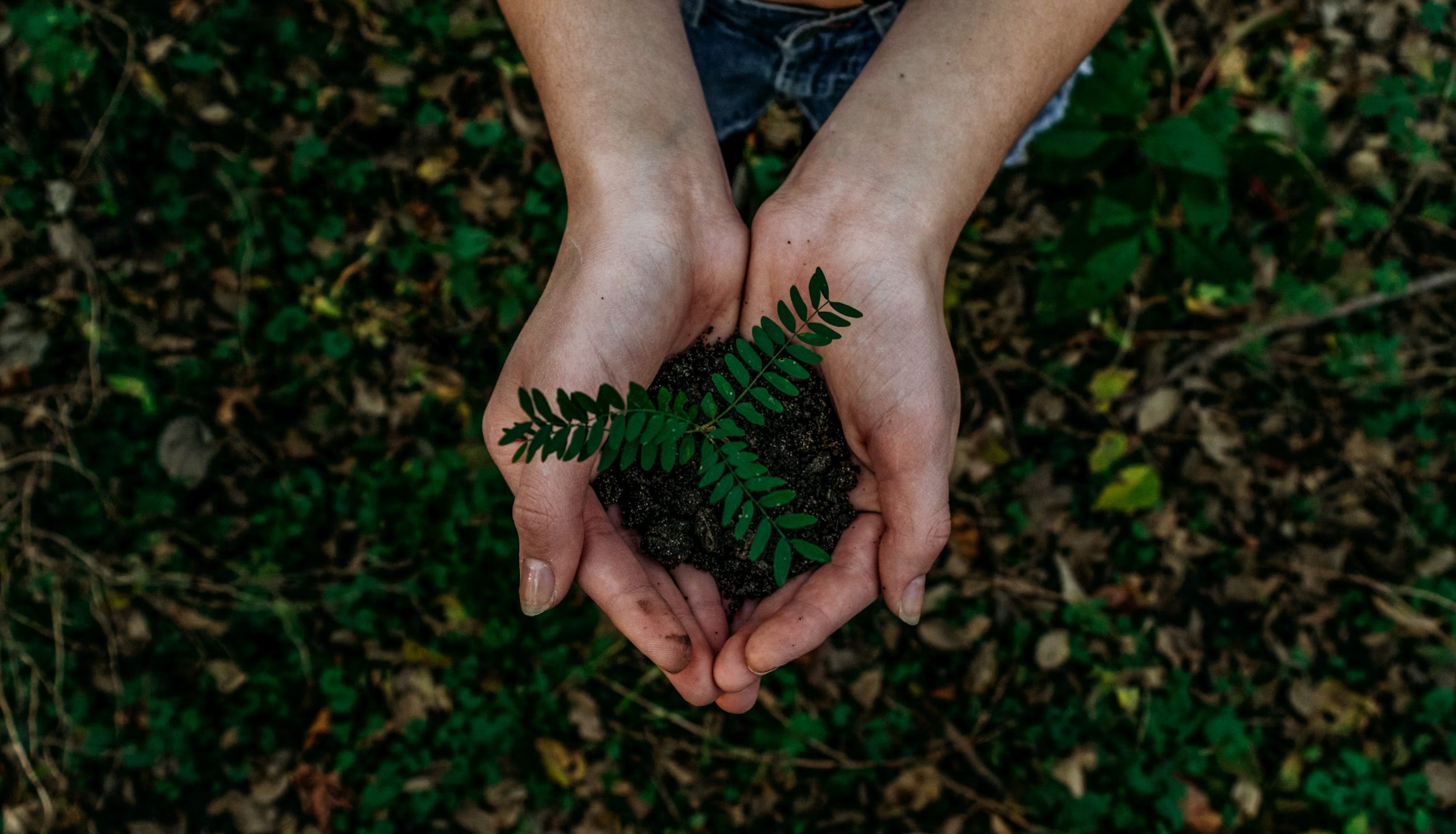
Lacklustre and uninspiring educational facilities in Africa are being given a jump-start to improve literacy and support the change-makers of tomorrow. Illiteracy rates in West Africa were the highest in the world in 2009, and despite significant gains in primary school enrolment rates in recent years, the adult literacy rate is still below 50% in several countries in the region. Cameroon-born Madelle Kangha teamed up with her partner, Nigerian social entrepreneur Omotola Akinsola, to offer an alternative to the lacklustre, insulated learning environments widely available. Using a student-based and interactive approach to learning, Jumpstart Academy’s curriculum cultivates critical thinking, ethical leadership, an entrepreneurial approach to problem solving and civic engagement, helping hundreds of young people between 14 and 18 become valued contributors to the job market. Some 70% of Jumpstart’s students are girls, selected for their academic performance, ideas for local solutions and their drive to be change-makers. In the next two years, these high school students will receive support and mentorship from local university students and professionals who help them put business, entrepreneurship and community initiative ideas into action.
Rwandan entrepreneur turns discarded tires into fashionable footwear
Every year, about one billion tires around the world reach the end of their life according to the World Business Council for Sustainable Development. Many of them end up piled in landfills posing potential health and environmental risks. In Africa, one Rwandan entrepreneur has found a way to upcycle the rubber to create fashionable footwear. While studying creative design at the University of Rwanda, Kevine Kagirimpundu felt she had limited employment options, so she took matters into her own hands. She began researching how to make her own products and stumbled upon the idea of using old tires for shoe soles. In 2013, she and her friend Ysolde Shimwe officially launched Uzuri K&Y, a name incorporating the founders’ initials and a Swahili word meaning beauty and goodness. The eco-friendly shoe brand offers a range of handcrafted sandals for men, women and children.
Ex-Banker Empowers Self-Published African Authors
Ideally, Abdullahi Bulle, an ex-banker, should be in a banking hall making financial transactions and providing financial advice to banking clients. Instead, he’s seated at his desk at Nuria Books, in Nairobi’s Central Business District, advising would-be authors and book buyers, many of whom are buying Nuria’s books online, for the first time… Nuria Books has become a highly instragrammable location. In 2015, Bulle launched Nuria Stores as an online bookstore, initially as a Facebook page. It has since grown to become known as the “Home of African Books.” Within a year of starting the online bookshop, the former banker realised that ordinary Kenyan authors were often overlooked by traditional bookstores, which typically favour politicians or well-known figures. The gap in the market inspired him to create a solution that continues to thrive today. “I saw an opportunity there. Since then, we have been onboarding both Kenyan authors and those from other African countries. Now, we have 1,800 self-published authors,” Bulle explains. Almost 80% of these authors, approximately 1,500, come from East Africa, including Kenya, Tanzania, Rwanda, Burundi, Congo, Ethiopia, Somalia, and South Sudan. The remaining 300 authors hail from Ghana, South Africa, Zimbabwe, Zambia, Nigeria, and some Africans currently residing outside the continent. Bulle’s mission goes beyond selling books; he aims to give African authors a voice.
Nigeria plans $650M home loans fund
Nigeria is creating a 1 trillion naira ($650 million) fund to provide low-interest mortgages and spark a “construction boom” in Africa’s most populous country, its finance minister said. Wale Edun told reporters that for the first phase of fundraising, the government had taken out a 40-year loan from the World Bank’s International Development Association at an interest rate of 1%, matched by private sector funding from pension funds and banks to raise 250 billion naira. The mortgages, which will be available within weeks, will be of “single-digit or low double-digit interest rates” for around 25 years, he said. Mortgage lending is a small portion of the country’s property market, as in other parts of the continent, and loans typically require hefty deposits with interest rates of about 20% for a 10-year period. As a result, most property is bought in cash. Research suggests most Nigerians live in rented accommodation.
Metals giants eye Dar es Salaam port
Three global metals giants expressed interest in using Tanzania’s main port as a transit hub to expand their Africa presence, The Citizen Tanzania reported. Delegates from China Metal Storage and Transport Company, the Geneva-headquartered Mercuria, and their jointly owned subsidiary Henry Bath & Son, visited the Port of Dar es Salaam over the weekend. “This is our next strategic location. We currently have no presence here, but we see Dar es Salaam as a key hub with growing trade volumes, CMST President Wang Haibin said, The Citizen reported. Mercuria’s head of metals and minerals for Africa added that the partnership with Tanzania would allow the firm to “expand our footprint in Africa.” The energy-trading company has made a significant push into the metals market since late 2024. Their interest is part of a broader push by China to encourage public-private partnerships in Africa, Elena Kiryakova, a research fellow at the think tank ODI, told Semafor. This offers a “more sustainable” approach to African investment than state-backed lending, she said. Dar es Salaam is an important transit point for cobalt and copper mined from DR Congo and Zambia.
DP World selects Mota-Engil to build DRC’s first deep-water port
DP World has appointed Portugese construction firm Mota-Engil to lead the development of the Banana Port, the Democratic Republic of Congo’s (DRC) first deep-water maritime gateway. Located in a coastal town in Kongo Central province, the port is expected to strengthen regional trade networks and reduce the DRC’s dependence on foreign ports for global commerce. As one of Africa’s largest infrastructure projects, the Banana Port will facilitate trade across the continent. Many African economies rely on efficient transport corridors, and the port will provide a direct maritime route for goods, lowering business costs and boosting intra-African trade under the African Continental Free Trade Area (AfCFTA). The project, funded by DP World with support from British International Investment (BII), will be developed in phases. The first phase includes a 600-meter quay, a 30-hectare storage area, and an annual handling capacity of 450,000 TEUs. A planned second phase will extend the quay wall by more than two kilometers, increasing capacity for larger vessels. Once completed, the Banana Port…will create thousands of jobs, benefit local industries such as agriculture and manufacturing, and integrate the DRC into Africa’s broader supply chain network.
Africa has an opportunity to deliver on Net-Zero Agriculture
The development of climate-resilient crops and alternative energy sources will play a key role in reducing agriculture-related emissions. Africa has the potential to build a resilient and sustainable agricultural system, setting a precedent for climate action worldwide. Modern technologies such as precision farming, advanced irrigation systems, and data-driven decision-making tools can significantly increase productivity and sustainability. To navigate challenges, Africa must secure climate funding and bolster regional partnerships. Africa must secure climate funding and bolster regional partnerships, strengthen climate information services, adopt inclusive and gender-responsive policies, and invest in innovative technologies. The development of climate-resilient crops and alternative energy sources will play a key role in reducing agriculture-related emissions.
Africa’s scented wealth: Ylang ylang flower, the source of fragrances
Rich. Elegant. Fruity, tangy undertones. Just but a few attributes that describe the beautiful scent of the ylang ylang flower that has hypnotised the perfume industry. Experts in essential oils say the Indian Ocean islands of Madagascar and Comoros have been the dominant world suppliers of ylang-ylang for a century. With an estimated global demand of 90 tonnes per year, the tropical, exotic flower is a major revenue earner for the two island nations. Comoros, which enjoyed virtual monopoly for decades before Madagascar caught up, earned approximately $5.56 million from the export of ylang-ylang flowers in 2022. That year, ylang-ylang oil was the fourth most exported product from Comoros. The Ylang-ylang tree harvesting occurs twice a year and it takes approximately 40 kilogrammes of ylang-ylang flowers to produce one liter of essential oil. The resulting essential oil is then exported to major perfume producers including France, US, Switzerland and the United Kingdom. The oil often returns to Africa in the form of luxury designer perfumes, enhancing the elegance of those who wear them.
CULTURAL & HISTORICAL PRESERVATION
Muscles and guts of prehistoric animal found “preserved in unimaginable detail” in South African mountains
The fossil of an animal discovered 25 years ago in a mountain area in South Africa has been identified as a new species of marine arthropod, related to today’s crabs, lobsters and spiders. Unlike most fossils, which preserve the tough outer shells of ancient creatures, this 444-million-year-old fossil is special for what’s on the inside. Professor Gabbott and her team spent 25 years studying the fossil before officially naming it ‘Keurbos susanae’ in a paper published recently in the journal Wiley. The remains were found in strata that settled on the seafloor over 440 million years ago, a period when over 85% of Earth’s species had just been wiped out in a devastating glaciation event. The ocean where the fossil once swam was a harsh place, filled with toxic hydrogen sulphide – Professor Gabbott thinks this chemical soup helped preserve her soft insides in incredible detail.
Art historian and curator Alayo Akinkugbe on reframing Blackness
Dante Gabriel Rossetti’s 19th century painting, “The Beloved,” a bejeweled Black child offers a bouquet of roses to the pale, red-headed bride at the picture’s center. The child is tucked away in the bottom left-hand corner, but in the mind of curator and art historian Alayo Akinkugbe, his presence fills the entire frame. His story — how he caught Rossetti’s eye while traveling with his slave master, and how Rossetti later likened his complexion to that of jet stone — is laid out by Akinkugbe on her Instagram account @ablackhistoryofart, where her 65,400 followers eagerly await these rare shards of art history. The roles of these Black figures on the canvases in which they appear might seem minor. They are often pushed to the peripheral, into the background, while some — such as the enslaved teenager Bélizaire from Jacques Amans’ 1837 group portrait — have been erased altogether. But Akinkugbe holds a magnifying glass over these slim fragments, off-cuts of the dominant whitewashed narrative of art history, and forces them to take up space. Her interest in Blackness and visibility — particularly who gets to make it onto the canvas and why — began early on, while Akinkugbe was at school. Her Nigerian private school taught a British curriculum (“it was very clearly trying to get people on the path of studying in the UK,”) which felt like a missed opportunity to connect with her heritage.
Unveiling Africa’s untold legends and bold innovations: Colonialism did not just steal the resources of Africa, it also stole its memory. This erasure left scars
For centuries, the narrative of Africa has been shaped by outsiders—its vast history reduced to colonialism, its wealth mistaken for poverty, and its people often seen through a lens of struggle rather than triumph. But beneath these layers lies a continent rich with untold legends and bold innovations…Africa was the original disruptor. Take the Kingdom of Aksum, straddling modern Ethiopia and Eritrea. By the 4th century, Aksumites were carving 90-foot obelisks from single blocks of stone—no lasers, no cranes. Their coins, stamped with kings’ faces, circulated from Rome to India. They didn’t wait for outsiders to define greatness; they built it… Mali’s real wealth was Timbuktu, where scholars penned thousands of manuscripts on law, astronomy, and medicine. These weren’t dusty scrolls—they were radical ideas…The Great Zimbabwe’s stone walls—stacked without mortar—defied logic. For 300 years, this city thrived on trade and farming, its people growing sorghum in drought-prone land using methods agronomists still study.
The new South African words debuting in Oxford English Dictionary
The Oxford English Dictionary (OED) has released its latest quarterly update, featuring a vibrant collection of words from South Africa, highlighting the rich linguistic tapestry of the African continent. The South African additions reveal a diverse range of expressions, from emotional interjections to terms describing everyday life. Notably, the interjection “yoh”, used to express surprise, wonder, or shock, has been traced back to 1855, with roots in the Afrikaans “jo” and Xhosa “yho” or “yo”. “Yoh in South African English is a cry or exclamation used to express various emotions or reactions, such as surprise, wonder, admiration, shock, or distress,” the OED says in its latest update. The update also includes “gatvol”, also from South Africa, “fed up”, and “the hell-in” from Afrikaans, a phrase expressing intense frustration. “Tjoekie”, a colloquial term for prison, with origins in Hindi via Afrikaans, also made the cut.
TECHNOLOGY & INNOVATION
MTN and Lynk’s Satellite Voice Call Achievement
MTN Group and Lynk Global have successfully conducted Africa’s first satellite voice call using a standard smartphone, aiming to enhance connectivity in underserved regions. This historic trial marks a major step toward bridging connectivity gaps in underserved and rural regions across the continent. The test involved making a voice call using a standard smartphone connected via a low-Earth orbit (LEO) satellite. This innovative approach eliminates the need for traditional network infrastructure, providing a viable solution for remote areas with limited or no mobile coverage. According to Charles Molapisi, CEO of MTN South Africa, this initiative aligns with the company’s broader strategy to extend network coverage to hard-to-reach areas. With successful implementation, satellite-to-mobile communication could revolutionize telecommunications in Africa, enabling digital inclusion and economic opportunities in regions previously disconnected from mainstream networks.
Africa’s AI ambitions take the spotlight in Rwanda
Artificial intelligence is taking center stage in Rwanda this week as more than 1,000 policymakers, business leaders, and interest groups gather for the first-ever global AI summit on Africa. The two-day event starting on Thursday in Kigali, where President Paul Kagame is scheduled to speak, follows ambitious plans to make AI applications mainstream in Africa. Last week Cassava Technologies, a group owned by the Zimbabwean billionaire and summit co-chair Strive Masiyiwa, announced plans to build an AI factory in South Africa by June, using chips from the US manufacturer Nvidia. And in December, Chinese telecoms giant Huawei launched its cloud services in Nigeria powered by multiple high-level data centers. Underpinning this private sector push is a wave of African governments designing policies to court long-term investment — especially in cloud and fiber optic networks — and develop local talent…Last June, a group of 130 African tech ministers endorsed an AI strategy for the continent, underscoring this key moment. They praised the “tremendous opportunities” that come with AI but also urged the creation of a system that reflects Africa’s “diversity, languages, culture, history, and geographical contexts.”
New 3D technology could soon bring surgeons closer to patients in Africa’s most remote regions
Charles Owusu Aseku was preparing for yet another medical trip until late February when he joined others in the first trial of 3D telemedicine technology in Ghana powered through computer screens in the back of a van. Those behind the initiative, developed by Microsoft’s research team in partnership with local doctors and researchers, say the remote assessment will help provide medical consultations for patients awaiting surgery or after an operation, in a region where the doctor-to-patient ratio is among the lowest in the world…Once inside the van, cameras will capture a 3D model of each patient and the image is then projected onto a large computer screen. Multiple doctors can join the consultation session online and manipulate the 3D model to assess the patient… Aseku’s session had doctors from Rwanda, Scotland and Brazil, an experience that he said gave him hope…Researchers hope the trial at the Koforidua Regional Hospital, in Ghana’s eastern region, is the start of a wider project that could expand the service and explore new use cases.
Helios Towers sees Africa growth driven by 5G and AI
Helios Towers, one of Africa’s largest telecoms infrastructure companies, is betting that a boom in 5G and AI technologies will drive significant revenue growth over the next five years. The London-listed company, which operates in eight African countries, leases towers to mobile phone companies serving 150 million customers. This month it posted 14% growth in adjusted earnings before interest, taxes, depreciation, and amortization (EBITDA) to $421 million in 2024. The adoption of 4G and 5G provides users with faster internet speeds and the ability to use more data on everything from streaming services to banking applications. The GSMA global telecoms industry body predicts mobile data traffic in sub-Saharan Africa will quadruple over the next five years. And it expects mobile internet penetration in the region to hit 37% by 2030, up from 27% in 2023. The body, in a report published last year, said 5G’s contribution to the economy in Sub-Saharan Africa is expected to reach $10 billion in 2030, accounting for 6% of the overall economic impact of mobile devices.
Cassava Technologies to deploy Nvidia software in South Africa
Africa-focused digital infrastructure company Cassava Technologies will deploy artificial intelligence software from Nvidia at its data centers in South Africa by June, before carrying out the same expansion at facilities in Egypt, Kenya, Morocco, and Nigeria. The UK-headquartered Cassava said the move was part of its plan to build an “AI factory” in Africa to offer AI-driven computing services to digital businesses on the continent. Collaborating with Nvidia, the world’s most valuable chip maker, gives Cassava the “advanced computing capabilities needed to drive Africa’s AI innovation,” said the company’s founder and chairman, Zimbabwean entrepreneur Strive Masiyiwa. Cassava’s Africa footprint includes a 68,000-mile-long fiber optic cable network that runs from Cape Town to Cairo, a renewable energy company, and data centers. The group received a $90 million equity investment last December from the US International Development Finance Corporation, Finland’s Finnfund, and Google.
HEALTH & MEDICAL ADVANCEMENTS
Africa CDC and RECs Strengthen Synergies for Effective Pooled Procurement
The Africa Centres for Disease Control and Prevention (Africa CDC), Regional Economic Community (REC) representatives and other stakeholders convened for a consultative workshop to strengthen coordination between regional pooled procurement mechanisms (PPMs) and the African Pooled Procurement Mechanism (APPM), as well as to discuss the modalities for the establishment of a joint information sharing platform… the workshop aimed to align the efforts of Africa CDC and the RECs to create a holistic, coordinated, and synergistic approach to pooled procurement. Access to affordable, high-quality healthcare products remains a significant challenge in Africa, further complicated by fragmented markets, small order sizes and poor demand forecasting. Pooled procurement offers a solution-boosting collective bargaining power, increasing supply stability and attracting competitive suppliers. The APPM is therefore, set to improve access to quality and affordable health product technologies and promote the localisation of manufacturing.
Continued Medical Education: The Key to Improving Surgical and Anesthesia Care in Africa
Continued Medical Education (CME) is not just a tool for career advancement—it’s a lifeline that saves lives, especially in fields like surgery and anesthesia. In the context of Africa’s evolving healthcare challenges, training and refresher courses are critical to enhancing the capacity of healthcare professionals and improving patient outcomes. At the inaugural Advancing Medical Education in Africa conference held in Kigali, Rwanda, on March 24-25, 2025, experts shared valuable insights on the transformative role of CME in shaping the future of healthcare across the continent. Discussing the acute disparity between Africa’s health workforce and its disease burden, Prof. Abebe Bekele said “Africa has only 3% of the global health workforce but carries 25% of the world’s disease burden, particularly in East Africa.” This gap underscores the urgency of strengthening medical education through programs like CME, which can significantly improve healthcare delivery. “We are dealing with multiple pillars of difficulty—supply chain management, the training of human resources, and the establishment of policies that support surgical practices,” Prof. Bekele explained, highlighting the role of CME in bridging these gaps, especially in specialized fields like surgery, where the training of practitioners remains scarce.
Syrians in Ethiopia keep Ramadan iftar tradition alive
Images of old Damascus and Aleppo adorn the walls of a modest restaurant tucked into Bole Michael, a working-class neighbourhood near Addis Ababa’s international airport. In the kitchen, Syrian chef Ahmed Ibrahim and his two assistants prepare for the evening rush. “When I first came to Ethiopia in 2020, I didn’t have a penny to my name. I worked in restaurants until I could open my own. I married an Ethiopian woman, and now, I’m a father of two daughters,” says Ibrahim. “This country has become a home to me.” Despite these challenges, Bole Michael has become known as a Syrian neighbourhood. More Syrian refugees have found their way there, carving out a familiar rhythm. Its streets, largely unpaved and strewn with pebbles and dust, have long been home to Somali, Sudanese and Yemeni refugees – some of the more than one million refugees living in Ethiopia. In recent years, Syrian businesses have started adding their accents and flavours to the bustling area. Ibrahim’s restaurant, named Syria, is one such business.
TOURISM & REGIONAL COOPERATION
EAC to promote the region as a unified tourism destination at ITB Berlin 2025
The East African Community (EAC) will, for the first time, participate as an entity having its own stand at the International Tourism Bourse (ITB) – Berlin, the world’s largest tourism trade fair, from 4th – 6th March, 2025. Representing the region as a single tourism destination, the EAC will showcase its diverse attractions under the brand “Visit East Africa: Feel the Vibe.” The region offers a wide range of experiences for travelers. It is home to some of the most iconic wildlife, including the traditional Big Five, with the highest population of lions in the world. Mount Kilimanjaro, the highest peak in Africa, continues to draw adventurers from around the world, while the Great Migration, a natural wonder shared between Kenya and Tanzania, remains a major highlight for visitors. The region’s vibrant cities, hospitable people, and diverse ethnic communities further enhance its appeal as a must-visit destination. Participation at ITB Berlin will also serve as a platform to promote East Africa’s multi-destination tourism offerings and cross-border experiences. The EAC aims to demonstrate the region’s potential to provide an unforgettable travel experience for tourists from around the world.
Hospitality Forum (AHIF) Heads to Cape Town
The Africa Hospitality Investment Forum (AHIF), Africa’s premier conference for tourism and hospitality investment, is gearing up for its 2025 edition in Cape Town. Taking place from 17 to 19 June at The Westin Cape Town, AHIF 2025 will introduce an innovative, dynamic format aimed at fostering new partnerships and facilitating deals within Africa’s rapidly expanding hospitality sector – one of the world’s fastest-growing markets. Cape Town, known for its stunning landscapes and vibrant visitor economy, provides the perfect backdrop for AHIF’s annual gathering. Moreover, the South African hospitality industry is projected to grow from USD 1.36 billion in 2024 to USD 1.68 billion by 2029, driven by increasing traveller numbers and a resurgence post-COVID-19… Daniel Silke, political economist, emphasised the potential impact of AHIF: “The Africa Hospitality Investment Forum is taken seriously as an industry-leading event globally. It addresses one of the most intriguing and exciting markets, Africa, where growth rates remain high, and demographic shifts, urbanisation, and an increase in air connectivity are driving substantial interest from hotel groups.
High-End Tourism Drives Africa’s Cargo Expansion
Luxury travellers are driving a surge in Africa’s air cargo industry, fueling demand for high-end imports ranging from exquisite wines to designer fashion. Fresh data from the International Air Transport Association (IATA) reveals that African airlines experienced an impressive 8.5% increase in air cargo demand in 2024, outpacing previous years. Meanwhile, cargo capacity expanded by 13.6%, reflecting the sector’s rapid growth… Experts attribute much of this growth to luxury tourism. High-net-worth travellers are driving demand for premium imports, from fine wines and gourmet foods to designer fashion and artwork, particularly in key markets like Morocco, Kenya, and South Africa… With South African destinations such as Cape Town consistently being featured in global listings of the best travel destinations, luxury travellers are likely to continue flocking to the country. More countries are tapping into this growing industry by developing luxury accommodations that can cater to an upscale clientele. In Morocco, this trend is seen in the rise of high-end hotels in the country’s less-explored cities.
5 Nigerian female travellers on their top tips and trickiest moments
Whether it’s driving solo from London to Lagos, a month on a motorbike, or vanlife in east Africa, these 5 influencers are sharing their adventures – and helping others to negotiate the difficulties of a ‘weak’ passport. Joy Ebaide, 32, spent five months on the road, from March to July 2024, riding solo from Mombasa on the Kenyan coast to Nigeria’s financial capital, Lagos, on a Tekken 250cc “adventure” motorbike, which can handle rough roads. Two years earlier she had driven alone across east Africa after converting a minivan into a “tiny home on wheels.” Munachimso Osisiogu, a travel influencer, started educating people about travel requirements and visa-free countries for Nigerians after her 2022 post about Rwanda’s policy went viral. She says she has helped more than 100 people secure visas across Africa and the Middle East. Alma Asinobi, a 26-year-old content creator, finally set out to break the Guinness world record for taking the shortest time to visit all seven continents in an effort to raise awareness of the difficulties of travelling with a low-mobility passport after facing a series of costly bureaucratic hurdles during her preparations. Pelumi Nubi, who in 2024 became the first African woman to drive solo from London to Lagos, says that as a dual-passport holder (British and Nigerian), she can use the most convenient one depending on where she is travelling to. This helps prevent the additional scrutiny that Nigerian passport-holders usually experience. Omolewa Adesuyi, 34, set off on a solo ride from Lagos on 16 March, and plans to spend a month riding her motorbike to Cameroon, Congo-Brazzaville, Angola, Namibia and South Africa.
Rwanda Hosts Meeting to Boost Regional Security and Disaster Preparedness
The East African Standby Force (EASF) and Rwandan agencies involved in early warning systems convened in Kigali for a three-day meeting focused on strengthening regional collaboration to improve preparedness, prevention, and timely responses to national security challenges, health threats, disease outbreaks, and disaster-related emergencies. The meeting aims to enhance collaboration between the EASF Early Warning System and Rwandan agencies to improve information exchange, situational awareness, and develop a framework for coordinated action in response to emerging threats and crises in Eastern Africa. On behalf of the Rwanda Defence Force (RDF) Chief of Defence Staff, Brig Gen Ronald Rwivanga underscored the importance of collaboration among EASF member states in achieving sustainable peace and responding swiftly to evolving challenges such as disasters. As a regional organisation whose mandate is to enhance peace and security in the Eastern African region, the East African Standby Force is one of the five regional multidimensional forces of the African Standby Force (ASF), consisting of Military, Police, and Civilian components, which, among other things, address asymmetric threats. These components remain on standby for rapid deployment at appropriate notice, as provided for in the peace support operations scenarios of the ASF.
SPORTS & ENTERTAINMENT

Will Smith Responds to South African Man’s Viral Lookalike Request
The internet is full of strange coincidences, and one of the most entertaining is when people stumble upon their doppelgängers – someone who bears an uncanny resemblance to them, but is often miles away. This was the case for South African man Mzolisto Madlala, whose Facebook post asking for help editing a picture went viral and eventually caught the attention of none other than Will Smith. Back in January, Madlala shared a simple request on Facebook: “Hello… someone said I look like Will Smith a little bit. Could anyone add him on this picture? Thanks.” Delighted by the actor’s response, Madlala reshared Smith’s Instagram post on his own Facebook account, where he humorously added a hidden face emoji. Many of his friends rallied behind him, with one even joking that he might need bodyguards with his newfound fame.
Why British-Ghanaian rapper Stormzy earned Cambridge’s Doctorate in Law recognition
British-Ghanaian rapper Stormzy, the artist whose influence stretches far beyond the music charts, is set to receive an honorary Doctorate in Law from Cambridge University. Cambridge University says this isn’t just a pat on the back for a successful musician; it’s a recognition of his profound impact on education and social mobility, a testament to what the university itself has dubbed the “Stormzy effect”. “Michael Omari Owuo Junior, Stormzy, will receive a Doctorate in Law”, Cambridge said in a statement. “The ‘Stormzy effect’ has been credited with being a contributor to an increase in applications to Cambridge from Black students across the UK,” Cambridge University said in their statement. Cambridge says, so far, 55 students have been supported by a Stormzy Scholarship, and 2025 will see the largest group graduate so far.
‘Without sport I’d probably be a criminal’ – Olympic champion Tebogo
Raised by a single mother in a village in southern Botswana, sport provided Letsile Tebogo with a route out of rural hardship. Without his passion for football and athletics – which ultimately brought him the men’s Olympic 200m gold medal last August – the 21-year-old sprinter admits his life could have been very different. “Without sport, I [would] probably be a criminal by now,” Tebogo confessed in an interview. “In the neighbourhood that I was growing up in, there were a lot of criminals. We thought that was the only way to survive.” Sporting pursuits in Kanye, some 80km from the capital Gaborone, helped to give structure to Tebogo’s days… Given his own childhood experiences, Tebogo is now on a mission to use the transformative power of sport to inspire the next generation in partnership with World Athletics. He has been named as ambassador for the governing body’s Kids’ Athletics programme, which aims to encourage children to be more active.
How South Africa’s ‘Snowbok’ booked Winter Olympics spot
Matt Smith, the 34-year-old cross-country skier – dubbed the ‘Snowbok’ – has earned a quota place for his nation at the 2026 Winter Olympics in Italy. His achievement is all the more remarkable given that he only took up the sport two years ago after relocating from Cape Town to Norway. “I just love putting South Africa on the map in a winter sport,” he said. Shortly after his move to the Norwegian capital Oslo, Smith’s passion for the outdoors piqued an interest in skiing. Smith chose to embrace the conditions in Scandinavia and, as fate would have it, his new hobby led to him meeting Allan Corona, a Mexican cross-country skier. The two men have since formed a close bond, becoming training partners and also competing alongside one another on the international circuit. Smith secured South Africa a spot at Milan-Cortina at the Nordic World Ski Championships in Trondheim at the end of February.
VIDEO/PICTURES/AUDIO

Africa advances toward financial integration with new currency exchange marketplace
Africa is making a significant stride toward financial integration with the launch of the Africa Currency Marketplace by the Pan-African Payment and Settlement System (PAPSS). This innovative platform is set to facilitate direct currency exchanges across the continent, reducing reliance on the US dollar and fostering a unified African capital market.
South African artist aims to ‘decolonize’ photography
What are the best solar power systems for the African heat?
Africa is one of the world’s sunniest continents – making it a great place for solar energy! But the extreme heat can degrade the widely used photovoltaic panels. Researchers in Ghana have found a sturdy alternative.
Chimamanda Ngozi Adichie: I want my books to be read in Africa
The Nigerian-born, US-based author Chimamanda Ngozi Adichie has been listed as one of Time Magazine’s “100 Most Influential People”. Her essay We Should All Be Feminists, was even sampled by Beyoncé and copied onto T-shirts. Over the years she’s written novels, poetry and numerous short stories – and now her new book, Dream Count, marks a highly anticipated return to fiction after more than a decade away. So why the long wait?
Mekatilili wa Menza: The fearless warrior
Mekatilili wa Menza stands as one of Kenya’s most iconic figures—a fearless warrior, a charismatic leader, and an enduring symbol of resistance.
Okavango Delta: Africa’s biggest oasis
Okavango is the world’s biggest inland delta, or river mouth. It has been named one of the seven natural wonders of Africa by Unesco.
Safari — the barber with machete and shovel
This Rwandan-born barber is not only taking over Nairobi and TikTok but is taking hairstyling to another level! Could Safari Martin be the world’s coolest barber? Watch this and decide for yourself!
Nigeria’s spectacular horse parade closing Ramadan
Booming gunfire, vibrant gowns and blaring trumpets have animated the Nigerian city of Dutse during the durbar. This is a days-long horse parade held to mark Eid al-Fitr, a celebration for the end of the Ramadan. Emirs – traditional Islamic leaders – usually parade through their territories with a huge procession of horseback riders.
Pictorial: Ramadan in colour for Muslims in Africa
In Senegal, Nigeria and South Africa, three photographers documenting their communities share snapshots of the month. Horseback parades, moon-sighting ceremonies and traffic jam coffee during the holy month and Eid-al-Fitr. For Muslims across the continent, Ramadan and the end-of-the-month festival of Eid al-Fitr are a combination of religious practices and cultural rituals around food and community.
Digital exhibition brings story of ancient Egypt’s King Tut to life
Ancient Egypt’s boy king, Tutankhamun, and his golden tomb have captivated people’s imagination since it they were discovered by British archaeologist, Howard Carter, more than 100 years ago. Now visitors can immerse themselves in the story of these two men in a digital exhibition at London’s Excel Centre.
Audio: Judiya, An Ancient Peace-Making Tradition, Gains New Relevance in Sudan
As formal institutions weaken in the face of conflict, rural communities turn to centuries-old conflict resolution methods to maintain order.
 The Africa Edition ©️
Leave a comment