News That Matters To Africa©️
📌Please Note:
“Due to the extraordinary political upheaval currently unfolding in Kenya, we feel compelled to spotlight much of today’s coverage towards that situation. I hope you will understand
QUOTE OF THE DAY
“People should not be afraid of their government. Governments should be afraid of their people.”
HIGHLIGHTS
Kenya’s political eruption
US military looks for West Africa ‘Plan B’
Zambia’s Interpol candidate may not be worthy
UN wants more transparency on migrant deaths in Greek waters.
TOP NEWS
Eastern Africa
Kenyan police arrive in Haiti as violence erupts around parliament back home
Coverage of Kenya’s anti-tax protests
Local media
>Kenya tax-protesters take to the streets nationwide
>Ruto terms Tuesday events treasonous, vows expeditious response
>Kenya deploys Military amid violent protests over Finance Bill; four dead
>Step by Step: How Gen Z literally #Occupied Parliament
>Kenya protesters breach Parliament barricade, enter compound
>Rogue and inconsiderate President!’ says LSK President
>America, UK, condemn abductions, killing of protesters
>Kenya Finance Bill: Why has it triggered protests?
International Media
>Kenyan President vows to prevent violence ‘at whatever cost’ (NYT)
>Police in Nairobi fire live bullets at protesters (AP)
>Gen Z takes to the streets (DW)
>Kenyan police open fire on protesters as crowd tries to storm parliament (Guardian)
>Kenya tax protests: 13 killed as demonstrations rock country (Al Jazeera)
>Anti-Finance Bill protesters allegedly abducted by masked police (AllAfrica.com)
>The turmoil in Nairobi is a blow to Biden’s embrace of Kenya’s president (NYT)
>Kenyan president faces tough choices after day of bloodshed (BBC)
>Obama’s half-sister hit with tear gas in Kenya protests (Reuters)
>Uhuru to Ruto: “Show restraint and “do the right thing by listening…” (NYT)
Video:
>Death, destruction as Finance Bill protests rock major cities and towns
>Kenyan police open fire on protesters as crowd tries to storm parliament
>What’s behind the widespread protests in Kenya?
Opinion : by Patrick Gathara
Former colonies want France out. Rwanda says, Bienvenue!
Deadly crush at rally as Rwanda election campaign starts
Flash floods hit Somalia’s capital
UK ‘tried to suppress criticism’ of alleged UAE role in arming Sudan’s RSF militia
Uganda’s Museveni to receive global award for Covid-19 fight
West Africa
Ghana, two bondholder groups reach interim deal on $13bn debt
At least 24 killed after days of heavy rains in Ivory Coast’s largest city
Malian singer detained in Italy in child custody row
Coup-hit Niger was betting on a China-backed oil pipeline as a lifeline. Then the troubles began
Nigeria keeps building airports – but where are the passengers?
US military looks for West Africa ‘Plan B’ after Niger ousting
Southern Africa
Zambian Interpol candidate accused of role in kidnap of businessmen
AFRICA GENERAL
UN RELATED NEWS
GALLERY OF AFRICA NEWS IN PICTURES
AFRICA CALENDAR
(10) ARTICLES ON ANALYSIS, EDITORIAL & OPINION
EASTERN AFRICA
KENYA
Kenyan police arrive in Haiti as violence erupts around parliament back home
The first contingent of Kenyan police arrived in the Haitian capital on Tuesday to launch a peacekeeping mission in the Caribbean country that has been ravaged by gang violence just as deadly protests overwhelmed security forces at home.
Uniformed Kenyan police disembarked from a Kenya Airways plane with weapons in hand in Port-au-Prince, while in Nairobi police opened fire on demonstrators trying to storm the parliament, with at least five protesters killed, dozens wounded and sections of the building set ablaze. In Haiti, the Kenyan police have been charged with leading a mission to support the beleaguered national police and tackle growing gangland violence that has caused a humanitarian crisis. Over half a million people have been displaced from their homes and nearly five million are facing severe food insecurity. But the violence outside the parliament in Nairobi has led some to question Kenya’s ability to lead the Haitian security mission.
Coverage of Kenya’s anti-tax protests
Kenya tax-protesters take to the streets nationwide
Kenyan police fired tear gas to disperse protesters in the capital Nairobi on Tuesday as a nationwide demonstration against proposed tax hikes got underway. Organisers have also called for a general strike against the finance bill, which aims to raise an additional $2.7 billion in taxes as part of an effort to tame public debt that ballooned over the past decade. President William Ruto won an election almost two years ago on a platform of championing Kenya’s working poor. Political analysts say the protests represent a particular challenge for Ruto because, unlike previous demonstrations led by political parties, they lack an official leader who can be mollified through private negotiation and inducements. The demonstrations appeared to be an organic movement organised online by a young cohort of Kenyans.
Ruto terms Tuesday events treasonous, vows expeditious response
President William Ruto on Tuesday night described the breach of parliament as treasonous, vowing to crack down on the ‘organisers and financiers of the protests, which entered their fifth day. President Ruto was addressing the nation after a day of protests that left at least five people dead, and over 125 others nursing injuries. According to the Head of State, a crucial conversation was hijacked by criminals who visited mayhem on the country and desecrated the August House. “I hereby put on notice the planners, financiers, orchestrators, and abettors of violence and anarchy that the security infrastructure established to protect our republic and its sovereignty will be to deployed secure the country and restore order and normalcy,” President Ruto said. A tough-speaking Ruto vowed there would be a full, expeditious response to the events of Tuesday to ensure such an event does not re-occur. ” I assure Kenyans that we shall provide a full, effective, and expeditious response to today’s treasonous events,” President Ruto said.
Military is deployed amid violent protests over Finance Bill; four dead
Kenya has deployed the military after violence escalated on Tuesday, resulting in the deaths of at least four protesters and injuries to many others. The protests erupted after the passage of the controversial Finance Bill, which seeks to raise taxes. The chaotic scenes unfolded as police struggled to disperse rioters who stormed Parliament. The confrontations were marked by live bullets and tear gas moments after Members of Parliament approved the bill. Several protesters sustained serious bullet wounds during the clashes. On Tuesday night, Defence Cabinet Secretary Aden Duale issued a Gazette Notice authorizing the deployment of the military, as police appeared overwhelmed in many parts of the country, particularly in Nairobi. Protesters had stormed Parliament following the bill’s passage. “The Kenya Defence Forces is deployed on June 25, 2024, in support of the National Police Service in response to the security emergency caused by ongoing violent protests in various parts of the country, resulting in the destruction and breaching of critical infrastructure,” Duale stated. Among critical infrastructure affected include the Supreme Court and City Hall- the Nairobi County Headquarters which was also set ablaze by protesters.
Rogue and inconsiderate President!’ says LSK President
The Law Society of Kenya has slammed the government, the clergy, International bodies and professional bodies over the ongoing anti-Finance Bill protests. LSK President Faith Odhiambo in a statement on Tuesday criticized President William Ruto and the government for sitting pretty as protesters were being shot and killed. Dubbed ‘black Tuesday’ Ms Odhiambo wondered how the president would allow the demonstrations which are now leading to the deaths of youths to go on, in the name of imposing an unpopular Bill on the people. She blamed President Ruto over the deaths meted out to youths, urging him to consider his legacy, so as not to be remembered as the president who ‘killed his people to raise more money by passing the controversial Bill. ‘Every Kenyan today who has lost his or her life in the struggle to stamp out corruption and seek economic liberation lies in the hands of a rogue and inconsiderate President,” she stated. “I congratulate you because history will remember you as the President who had to kill his people to raise more money. June 25, 2024, will go down in history as the day Kenyans died so that their president could please the colonial masters in the name of staggered tax measures recommended for implementation by the International Monetary Fund (IMF).”
America, UK, condemn abductions, killing of protesters
The United States of America, the United Kingdom and a host of other countries have condemned the abduction and killing of protesters in Kenya during the ongoing anti-Finance Bill protests that have been witnessed across the country. In a joint statement, Ambassadors & High Commissioners from 13 countries expressed concern over the violence witnessed across the country and the resultant deaths. “We are deeply concerned by the violence witnessed in many parts of the country during the recent protests, and are especially shocked by the scenes witnessed outside the Kenyan Parliament,” reads the statement. “We regret the tragic loss of life and injuries sustained including by the use of live fire.” Amnesty International reported that five people have been shot dead and 31 people injured. Amnesty revealed that 13 people were shot with live bullets, 4 with rubber bullets and 3 people hit with launcher canisters. Calling themselves “friends and partners to Kenya”, the ambassadors and High Commissioners said protesting is a constitutional right. “We note that Kenya’s constitution guarantees the right to peaceful protest. All actors have the responsibility to respect, uphold, promote and fulfil the principles of democracy and the rule of law, particularly by ensuring a proportionate security response.”
Kenya protesters breach Parliament barricade, enter compound
Kenyan protesters broke through parliament barricades on Tuesday and entered the complex, where lawmakers were debating contentious tax hike proposals that have sparked widespread outrage. According to Amnesty International Kenya, hundreds of protesters broke through police barriers outside parliament in Nairobi, with police firing live rounds and injuring “many” people. A section of parliament that houses offices was also set on fire as protesters stormed the buildings, accompanied by heavy gunfire from police officers battling the defiant mob. Several protesters according to journalists reporting from the scene had been shot fatally outside the parliament buildings.
How Gen Z literally #Occupied Parliament
When Generation Z dubbed their demonstration as #OccupyParliament, many did not anticipate the literal occupation of Parliament precincts, one of the most protected zones in the country. The youth, demonstrating against the Finance Bill 2024, managed to breach security and gain entry into the bicameral house, leading to chaotic and unprecedented scenes. The demonstrators, initially gathered along City Hall Way, charged towards Parliament Road, raising concerns about how they managed to overpower the police and gain access to the highly secured area. Within minutes, the youth breached the exterior gate adjacent to the Jomo Kenyatta Mausoleum and divided into groups, wreaking havoc inside Parliament. One group targeted the Senate Chambers, causing widespread damage by shattering windows, destroying furniture, and removing decorative fixtures. Another group managed to enter the National Assembly Chambers, which were open at the time. “Mr. Speaker Sir, I am here to address you. You must go, Ruto must go, we are here, and we are going nowhere. We are actually going to sleep here. We don’t fear you guys, you are hypocrites,” one protester shouted from the Speaker’s seat. A third group raided the dining area, helping themselves to the arranged buffet for MPs who had just exited the chambers after passing the Finance Bill 2024. The demonstrators, lacking cutlery, ate with their hands as parliamentary staff fled for safety.
Kenya Finance Bill: Why has it triggered protests?
Here are some details about the tax proposals: In the 2024/25 bill, the Kenyan government aims to raise $2.7 billion in additional taxes to reduce the budget deficit and state borrowing. Kenya’s public debt stands at 68 percent of GDP, higher than the 55 percent of GDP recommended by the World Bank and the International Monetary Fund. Kenya has turned to the IMF – which has urged the government to meet revenue targets to access more funding. Protesters want the government to abandon the planned tax hikes, which they argue will choke the economy and raise the cost of living for Kenyans who are already struggling to make ends meet. The proposed measures that have triggered protests include new levies on basic commodities like bread, vegetable oil and sugar and a new motor vehicle circulation tax – pegged at 2.5 percent of the value of a car to be paid annually. An “eco levy” on most manufactured goods including sanitary towels and diapers is also on the cards. In addition to the new taxes, the bill proposes increasing existing taxes on financial transactions. Last week the government softened its position a little, with Ruto endorsing recommendations to scrap some of the new levies, including on car ownership, bread and the eco levy on locally manufactured goods. Protesters and opposition parties have said the concessions are not enough and want the whole bill abandoned.
International Media Coverage:
President vows to prevent violence ‘at whatever cost’
Kenya’s president, William Ruto, deployed the military on Tuesday to crack down on what he called “treasonous” protesters, after demonstrators furious over the passage of a package of tax increases stormed the Parliament building in the capital, Nairobi, climbed in windows and set fire to the entrance. The police fired tear gas and guns. At least five people were reported dead from gunshot wounds, and more than 30 others were wounded, according to a joint statement by Amnesty International and several Kenyan civic organizations. The numbers could not be independently confirmed. “Today’s events mark a critical turning point on how we respond to grave threats to our national security,” Mr. Ruto said in an address to the nation. “The government has mobilized all resources at the nation’s disposal to ensure that a situation of this nature will not recur again, at whatever cost.” Here’s what else to know:
* Before Tuesday’s protests, several activists who are prominent critics of the bill were abducted, according to the Law Society of Kenya. The abductors’ identities were not publicly known, but some were believed to be intelligence officers, said the Law Society’s president, Faith Odhiambo. Ms. Odhiambo later said that some of those abducted had been released.
* CNN aired footage of the half sister of former President Barack Obama, Auma Obama, being tear-gassed as she was interviewed about her opposition to the bill.
* The protests have largely been guided by younger people who have used social media platforms like TikTok and Instagram to initiate a leaderless movement that has galvanized the nation.* The protests come as an initial group of 400 Kenyan police officers is arriving in Haiti for help to stop the rampant gang violence that has upended the Caribbean nation, an effort largely organized by the Biden administration.
Police in Nairobi fire live bullets at protesters
Police in Kenya fired live ammunition at anti-government protesters in the capital Nairobi on Tuesday as thousands continued to rally demanding legislators vote against new taxes proposed in a controversial finance bill. Two people died in protests last week but there were no immediate reports of any fresh casualties Tuesday. Medics set up emergency response temporary shelters in different cities with supplies donated by Kenyans. The third round of protests took place as lawmakers vote on the finance bill that would introduce new taxes, including an eco-levy that would raise the price of goods like sanitary towels and diapers. A proposal to tax bread was removed after public outcry but demonstrators are still calling on Parliament not to pass the bill. The Kenya Human Rights Commission on Tuesday shared a video of officers shooting at protesters and said they would be held to account. The commission wrote on X addressing President William Ruto: “The world is watching your descent into tyranny! Your regime’s actions is an assault on democracy. All those involved in the shooting – actively or passively – must be held to account.”
Kenyan police open fire on protesters as crowd tries to storm parliament
Police have opened fire on protesters outside the Kenyan parliament as they attempted to storm the building in Nairobi while MPs inside passed legislation to raise taxes. At least five people were shot dead, according to Reuters, amid chaotic scenes in which police started shooting after teargas and water cannon failed to disperse a crowd of thousands who had overwhelmed officers. Flames could be seen coming from inside the building. A paramedic said at least 10 people had died and a Reuters journalist outside the parliament counted the bodies of at least five protesters. “We want to shut down parliament and every MP should go down and resign,” one protester, Davis Tafari, told the news agency. Auma Obama, an activist and the half-sister of the former US president Barack Obama, was among the protesters teargassed, a CNN interview showed. Protests and clashes started a week ago and also took place in other cities and towns across the country. The protests have been driven largely by youth-led digital activism. Young Kenyans have used platforms such as X and TikTok to oppose the bill, crowdfund, organise and mobilise protests against it. At least 12 people suspected of involvement in the protests over the past five days had been abducted, according to Amnesty International. On Tuesday the Kenyan broadcaster KTN reported it had received threats from authorities to shut down the station due to its coverage of the protests. The internet watchdog NetBlocks on Tuesday reported a “major disruption” to internet connectivity in the country during the demonstrations. A day earlier the Communications Authority of Kenya, a regulatory agency, denied plans to shut down the internet or interfere with the quality of connectivity.
Gen Z takes to the streets
A proposed finance bill has sparked mass protests in the streets of Nairobi and across other cities in Kenya. The protests in Nairobi took a violent turn on June 25th, with rights groups accusing officers of firing live rounds at demonstrators. Journalists on site reported seeing at least three bodies after shots were fired. Angry over proposed tax hikes related to the cost of living crisis which has been simmering for years, protesters had stormed the nearby parliament complex which was then set ablaze. Footage broadcast on Kenya’s privately owned Citizen TV showed police trying to douse the flames with a water cannon. Bold young protesters from what is often referred to as Generation Z, or Gen Z — the term generally used to describe people born during the late 1990s and early 2000s — expressed their anger at how the government in Kenya has been offloading its problems onto citizens. “We are already paying taxes and they are not doing much with it — it gets stolen. So how can we trust them with more?” Makena Kahuha, an actor and content creator, told DW.
Another protestor, Pamela Muriuki, is also disappointed: “They prefer allegiance to the government instead of the voters who voted them in,” she says. In contrast to previous protests led by opposition party members, demonstrations were driven by young citizens who chanted anti-government slogans and waved placards disparaging the bill. These demonstrations were different from other mass protests seen previously in Kenya. This time, young protesters filmed clashes with police officers with their smartphones, publishing them online. The protests gained momentum on social media under the hashtag #OccupyParliament.
Anti-Finance Bill protesters allegedly abducted by masked police
Young Kenyans involved in the anti-Finance Bill demonstrations are being abducted under suspicious circumstances, raising concerns about police conduct and human rights abuses. According to the Law Society of Kenya (LSK), Billy Simani (aka Crazy Nairobian) and George Dianno were taken into custody on June 22 and held incommunicado before being released after interventions by the LSK and other stakeholders. The following day, Dr. Austin Omondi, a young doctor coordinating medical aid for protesters, Dr. Salim Ishmael, and Shadrack Kiprono (aka Shad Khalif) were abducted by masked men believed to be police officers. In a statement, the LSK said: “Over the last 72 hours, Kenya has been drawn back to the dark era of a rogue, irrational police force operating through repressive, retrogressive, clandestine, illegal, extra-judicial tactics to quell public dissent against misgivings of government forcefully, lapses in governance and more specifically, the contentious Finance Bill 2024… we will unmask and take actions against these rogue criminal elements putting our police in ruin.” The CCTV video apparently showing the abduction of Kiprono in South B, Nairobi, by masked attackers sparked widespread condemnation. “The abduction … shows “three men in masks descend upon Kiprono and force him into a white Land Cruiser,” said Faith Odhiambo, president of LSK. ” Evidently, this was not an arrest as the police did not identify themselves or engage in any conversation before the arrest to inform him of his rights,” said Odhiambo.
Updates, photos, recap and summary
Kenya tax protests updates: 13 killed as demonstrations rock country
* The head of the Kenya Medical Association says at least 13 people were killed after Kenyan police fired at protesters rallying in opposition to a finance bill that would raise taxes.
* Kenya’s President William Ruto says he has ordered security forces to thwart any effort “to undermine the security and stability”, describing the protests as “treasonous”.
* Protesters have largely moved away from the Kenyan Parliament in central Nairobi, which was stormed earlier in the day, amid a heavy deployment of riot police.* United Nations chief Antonio Guterres urges Kenyan security forces to “exercise restraint” and calls on protesters to demonstrate peacefully.
The turmoil in Nairobi is a blow to Biden’s embrace of Kenya’s president
The street turmoil that swept Kenya’s capital on Tuesday represented a blow to the Biden administration’s tight embrace of President William Ruto, a strong U.S. ally on a continent where American influence is rapidly waning. Just a day earlier, President Biden had formally named Kenya a major non-NATO ally, and Mr. Ruto had seen off a first group of 400 Kenyan police officers headed to Haiti on a contentious security mission that is largely financed by the United States. The non-NATO ally designation, which clears the way for greater security cooperation between Kenya and the United States, was one of the main outcomes of Mr. Ruto’s state visit to Washington last month, the first by an African leader in 16 years. At the White House, the Kenyan leader was feted with a state dinner that included celebrity guests and former President Barack Obama, whose father was Kenyan. For Mr. Ruto, the state visit was the high point of a globe-trotting presidency…Mr. Ruto enjoys a famously close relationship with the U.S. ambassador to Kenya, Meg Whitman, a former American business executive. American and Kenyan officials say that Mr. Ruto and Ms. Whitman often speak informally on the phone, sometimes with little notice. Ms. Whitman has drawn strong criticism from Kenyan opposition leaders who say she shows Mr. Ruto excessive favor. “I want to tell the rogue ambassador, leave Kenyans alone,” Raila Odinga, a veteran opposition leader who lost the contested 2022 election to Mr. Ruto, said last August.
Kenyan president faces tough choices after day of bloodshed
After a day of protest, turmoil and bloodshed, Kenyan President William Ruto addressed the nation with a message of sadness and strength. The president’s message was an attempt to seize back control after days of street protests which have grown in strength and number. But in the longer term some around Mr Ruto must fear that things might not be so simple, and that the prospect of tough choices remain. Elected in 2022 pledging to cut corruption, shore up the country’s faltering economy and help the poor, the embattled Mr Ruto now faces an unprecedented rebellion against a bill he says is an essential part of his plan to build the nation. It might be easier to know which way to turn if the opposition Mr Ruto faces were confined within parliament. An astute political player, deputy president for almost a decade before being elected to the top spot, Mr Ruto has years of experience wrangling politics to get things done. Now though, the forces massed against him are something truly beyond his control. A movement which grew organically out of discontent expressed on social media has grown into a powerful rebellion which has filled the streets of towns across the country. In the capital, the Nairobi governor’s office, city hall and the country’s parliament were this afternoon all set ablaze. Mr Ruto has argued the raft of new taxes are essential to control Kenya’s debt – a huge sum of more than $80bn (£63bn), which costs the country more than half of its annual tax revenues to service. Many blame the country’s financial woes on corruption, with taxpayers wary of paying more amidst a lack of trust over the transparency of the state. For Mr Ruto it is perhaps the shadows of this past that make his current position so difficult…for many on the streets, Mr Ruto’s record as a senior figure in government over a period marred by corruption means it’s hard to trust him with their taxes. Today’s events in Nairobi leave Mr Ruto seemingly pinned now into a tight corner.
Obama’s half-sister hit with tear gas in Kenya protests
Kenyan activist Auma Obama, the half-sister of former U.S. President Barack Obama, was among protesters tear-gassed on Tuesday during demonstrations outside the parliament building in Nairobi, a CNN interview showed. Auma Obama was taken aside in the melee by a CNN reporter and asked why she was there. “I’m here because – look at what’s happening. Young Kenyans are demonstrating for their rights. They’re demonstrating with flags and banners. I can’t even see anymore,” she said, beginning to cough and shield her eyes from the spreading smoke. “We are being tear-gassed.” A man behind her carried a sign reading, “Colonialism never ended in Kenya,” while another yelled, “This is our country. This is our nation.” Auma Obama earlier posted photos of herself on Twitter at the protest. The office of former President Obama said it had no immediate comment on the incident involving Auma Obama or the violence in Kenya.
Uhuru
President Ruto’s predecessor, former President Uhuru Kenyatta, weighed in on Tuesday night with a statement urging Ruto to show restraint and “do the right thing by listening to the people.” Ruto served as vice president under Kenyatta for nine years until the 2022 election, when the two men became bitter rivals.
VIDEO
Death & destruction as Finance Bill protests rock major cities and towns
Video compilation of some of the destruction that followed protests in Nairobi and a number of towns and cities across the country.
Kenyan police open fire on protesters as crowd tries to storm parliament
What’s behind the widespread protests in Kenya?
Young people in Kenya reacted to the government proposal with angry demonstrations and police cracked down hard. Widespread protests in Kenya erupted this week against proposed new taxes, and police were criticised for using excessive force to break them up. Many on the streets were young, mobilised by social media. Why is the government pushing the new taxes? And why has there been such a violent reaction?
OPINION
In Kenya, tomorrow is here
We are witnessing the latest, and most glorious, stage of a revolution 40 years in the making. By Patrick Gathara (Al Jazeera)
RWANDA
Former colonies want France out. This African nation says, Bienvenue!
After decades of wielding political, military and economic power across Africa, France is scaling back its presence on the continent as it faces significant resentment in many of its former colonies. Yet one nation has emerged as an exception: Rwanda. As other African nations seek to reduce France’s influence, Rwanda is embracing it, celebrating French culture, language and food, despite decades of frosty relations with Paris over its role in the 1994 Rwanda genocide. In return, French companies are scaling up their investments in Rwanda. The détente, which is being championed by Rwanda’s longtime leader, Paul Kagame., has garnered France a much-needed security partner in Africa and secured Rwanda millions of dollars in development and trade funds. The warming relations are also rare good news for the French president, Emmanuel Macron, who has faced a wave of indignation across Africa and was crushed by the far right in the European parliamentary elections this month. “We have a partner in Kagame,” Hervé Berville, a French minister of state, said in an interview in the Rwandan capital, Kigali. For decades, diplomatic rancor and hostility characterized relations between the two countries. Mr. Kagame accused France, and especially the government of François Mitterrand, then president, of enabling the Rwandan officials who oversaw the 1994 genocide, in which an estimated 800,000 people were slaughtered.
Deadly crush at rally as Rwanda election campaign starts
One person has died and dozens were injured during a crush at an election rally for Rwanda’s President Paul Kagame, officials say. Campaigning for July’s general election began on Saturday, with Mr Kagame holding two rallies in northern Rwanda over the weekend. The crush happened on Sunday in Rubavu district, where 37 people were injured, four of whom were hospitalised with serious injuries, a statement from the ministry of local government said. It apologised to the deceased’s family, adding that a medical team on site “did everything possible”. Mr Kagame is running for a fourth term. He has been the country’s de facto leader since 1994, when his then rebel group, the Rwanda Patriotic Front, seized power at the end of the genocide directed at members of his Tutsi ethnic group. On Monday morning, Mr Kagame’s RPF-Inkotanyi party said it was “deeply saddened” and sent its condolences to the deceased’s family. “The RPF-Inkotanyi organisation will continue to… closely monitor those injured in the crush,” it said in a statement published on social media. Earlier, the party posted a video on Facebook of Mr Kagame taking the stage at the rally. Crowds of supporters, decked out in party colours, can be seen dancing, cheering, and waving flags. Some 250,000 people were in attendance, the party said.
SOMALIA
Flash floods hits Mogadishu
Mogadishu, the capital city of Somalia, has experienced devastating flash floods that transformed streets into difficult to pass waterways. Residents reported that the sudden deluge, which rose to knee height in some areas, caused significant damage to properties and infrastructure, leading to fears around safety. The frequency and severity of such floods in the city have increased over the years, raising concerns about the impacts of climate change. Climate change has been a significant global concern, with East Africa and the Horn of Africa, including Somalia, witnessing increasingly unpredictable weather patterns. According to the Inter-governmental Panel on Climate Change (IPCC), the frequency of extreme weather events like droughts and floods in these regions has significantly increased due to global warming. These climatic changes, coupled with existing challenges like political instability and poverty, amplify the impacts of such disasters.
SUDAN
UK ‘tried to suppress criticism’ of alleged UAE role in arming the RSF militia
UK government officials attempted to suppress criticism of the United Arab Emirates and its alleged role in supplying arms to a notorious militia waging a campaign of ethnic cleansing in Sudan, sources have told the Guardian. Claims that Foreign Office officials put pressure on African diplomats to avoid criticising the UAE over its alleged military support for Sudan’s Rapid Support Forces (RSF) will intensify scrutiny of the UK’s relationship with the Gulf state. The RSF, a paramilitary group accused of carrying out crimes against humanity by rights groups, is besieging the city of El Fasher in Darfur, a sprawling region in western Sudan. Fighters have encircled the city, amid evidence they are targeting and murdering civilians based on their ethnicity. The siege has prompting warnings that if El Fasher falls it will precipitate a large-scale massacre and possible genocide. Yonah Diamond, an international human rights lawyer, said that during informal talks earlier this month in Ethiopia – to explore the possibility of legal action against the UAE over its alleged role in the fighting – he was told by sources that the UK was actively dissuading some states from condemning the emirates. However, the Foreign, Commonwealth and Development Office (FCDO) strongly denied the claims. A spokesperson said: “These accusations are categorically untrue. The UK is using its diplomatic influence to support efforts for a durable peace.” The role of the UAE in Sudan’s brutal 14-month civil war between the RSF and the Sudanese Armed Forces is hotly contested. The UAE has repeatedly denied involvement in sending military support to any of Sudan’s warring parties. On Tuesday, Sudan’s army-aligned government and the UAE clashed at the UN security council with the latter dismissing claims it was supplying the RSF as “ludicrous”.
UGANDA
Museveni to receive global award for Covid-19 fight
Uganda President Yoweri Museveni is expected to receive a global award next month in Canada for his “distinguished leadership and dedication” in the fight against the Covid-19 pandemic. The award will be given at the First International Post-Covid Conference in Toronto, Canada. About 11 government officials, scientists and businesspersons are also expected to be recognised for the pivotal role they played in containing pandemics such as Covid-19 at the same event. Uganda has faced several disease outbreaks such as Ebola virus disease, Covid-19 and Marburg, and scientists from the country have helped other nations contain the Ebola outbreaks. Abbey Walusimbi, a senior presidential advisor on diaspora affairs, said the award and recognitions are also meant to recognise Uganda as a role model for the containment of pandemics in Africa. During the pandemic, President Museveni held several meetings with scientists and periodically addressed Ugandans about the progress in the fight and gave updates about the control measures.
WEST AFRICA
GHANA
Ghana, two bondholder groups reach interim deal on $13bn debt
Ghana’s long-running debt restructuring took another step towards the finish line on Monday after the government said it struck an agreement in principle on a debt rework with holders of some $13 billion of international bonds. This is a condensed timeline of key events: February 2022 – Credit ratings agency Moody’s downgrades Ghana’s credit rating from B3 to Caa1, saying the country had a “very high credit risk”, after Fitch cut its Ghana credit rating to B- from B in January. March 2022 – Ghana’s central bank hikes interest rates by a record 250 basis points to 17% in a bid to stem rocketing inflation and a weakening currency. April 2022 – The cocoa producer’s parliament approves an “e-levy” tax on electronic payments. May 2022 – Ghana’s then-finance minister Ken Ofori-Atta says it will manage its debt without International Monetary Fund (IMF) help. July 1, 2022 – Ghana’s government changes its mind and asks the IMF for a loan, amid street protests against growing economic hardship. Dec. 20, 2022 – Ghana says it will default on most external debt. Dec. 22, 2022 – Local pension funds are exempted from the domestic debt exchange after unions threaten a general strike. January 2023 – Ghana requests a debt restructuring under the G20’s Common Framework process, set up in response to the COVID-19 pandemic to include China, India and other creditor countries not in the traditional Paris Club of wealthy lending nations.
IVORY COAST
At least 24 killed by flooding, landslides after days of heavy rains in Abidjan
Flooding and landslides in Ivory Coast’s largest city of Abidjan have left at least 24 people dead following a week of heavy rains, four times the usual volume in some cases, authorities said Tuesday. Flood-related deaths are not uncommon in the West African nation during the rainy season, but according to the Ivorian meteorological agency, the recent rainfall was particularly violent with more than 200 millimeters (8 inches) in some districts, four times the usual amount in a day. Informal settlements are particularly vulnerable because of poor storm drainage among homes often built quickly without zoning regulations. The flooding and landslides have also caused “significant” damage across the city, flooding houses and roads, said the Ivory Coast National Office for Civil Protection. At least 271 people who were trapped after the rains have been successfully rescued, it said. Officials last year demolished houses built along a lagoon in Abidjan as a measure to prevent deadly floods.
MALI
Malian singer detained in Italy in child custody row
Famous Malian singer Rokia Traoré has been arrested at the main international airport in Italy’s capital Rome over a conviction in Belgium arising from a child custody dispute. She was arrested at Fiumicino airport as she flew in for a concert, Italian media reported. Traoré was initially detained in France in 2020 on a Belgian arrest warrant after failing to heed a court order to hand over her child to her Belgian father. Months after she was conditionally released, she flew out to Mali on a private flight, defying a ban from leaving France until her extradition to Belgium. Last October, Traoré was sentenced in absentia to two years in prison by a court in Belgium on charges of parental abduction for “failing to hand over a child to the person entitled to custody”, Belgian prosecutors said. Her daughter, who is now aged nine years, has lived in Mali since turning four. A lawyer for the child’s father, Traoré’s former partner, reportedly said he had not had any contact with his daughter since then. Traoré is one of Africa’s best known vocalists. She has won several awards, including the BBC Award for World Music in 2004 and the 2009 World Music Album of the year in the Victoires de la Musique, the French equivalent of the Grammys. She is also known for her advocacy work for refugees, becoming a goodwill ambassador for the UN’s High Commissioner for Refugees in 2015 in West and Central Africa.
NIGER
Coup-hit Niger was betting on a China-backed oil pipeline as a lifeline. Then the troubles began
A China-backed pipeline that would make Niger an oil-exporting country is being threatened by an internal security crisis and a diplomatic dispute with neighoring Benin, both as a result of last year’s coup that toppled the West African nation’s democratic government. The 1,930-kilometer (1,200-mile) pipeline runs from Niger’s Chinese-built Agadem oil field to the port of Cotonou in Benin. It was designed to help the oil-rich but landlocked Niger achieve an almost fivefold increase in oil production through a $400 million deal signed in April with China’s state-run national petroleum company. But it has been stalled by several challenges, including the diplomatic disagreement with Benin that led to the pipeline’s closure last week. There also has been an attack this week by the local Patriotic Liberation Front rebel group, which claimed to have disabled a part of the pipeline and is threatening more attacks if the $400 million deal with China isn’t canceled. Analysts say the crises could further hurt Niger, one of the world’s poorest countries which funds most of its budget with now-withheld external support in the aftermath of the coup. Niger currently has a local refining capacity of only 20,000 barrels per day (bpd) for local demands while the pipeline is to export up to 90,000 barrels daily — a feat officials and analysts have said would help the country shore up its revenue and emerge from the coup sanctions that had isolated it from regional neighbors and hurt its economy and people.
Nigeria keeps building airports – but where are the passengers?
Airports have been springing up around the country in recent years; for the most part absent are any concerns about the environmental impact of air travel. Nigeria already has 33 airports – all but two entirely owned by the federal or state governments – as well as 13 airstrips, four military airfields and 128 sites with helipads. Despite the proliferation in projects, the number of journeys taken by air fell last year to 15.89m, down from 16.17m in 2022. Passenger traffic is incredibly concentrated: just three airports accounted for 92% of all passenger journeys nationwide in 2022, according to the Nigeria Civil Aviation Authority. For some observers the rush to build airports is less about economics and more about political prestige. Nigeria’s aviation minister, Festus Keyamo, defended the latest projects as a “social amenity for the people”. “In a vast country like Nigeria that is also very sensitive in terms of geopolitical issues, ethnic balancing and all, you want to ensure that infrastructure is evenly distributed,” he said. “The most important thing is that airports in Nigeria go beyond commercial viability … they are not only for the pleasure of those who can afford to fly.” Some experts agreed that having plenty of airports could eventually be beneficial to Africa’s most populous country, even if the motivation for building them was sometimes questionable. “Heathrow used to be a village until the airport came,” said Samuel Akinyele Caulcrick, a former rector of the Nigerian College of Aviation Technology. “Politicians have their own reasons for building them [but] what we should be asking is why are we not using them to their full potential, because airports are supposed to drive development wherever you put them.”
US military looks for West Africa ‘Plan B’ after Niger ousting
The top U.S. general is making a rare trip to Africa to discuss ways to preserve some of the U.S. presence in West Africa after Niger decided to kick out the U.S. military in favour of partnering with Russia in a major setback for Washington. Air Force General C.Q. Brown, chairman of the Joint Chiefs of Staff, told reporters before landing in Botswana on Monday for a gathering of African chiefs of defense that he was going to speak with several partners in the region. “I do see some opportunities. And there’s countries that we’re already working with in West Africa,” Brown told reporters traveling with him. Building on those relationships may “provide opportunities for us to posture some of the capability we had in Niger in some other locations,” he added. Brown declined to say which countries were under consideration. But a U.S. official reported that President Joe Biden’s administration has had initial conversations with countries including Benin, Ivory Coast and Ghana.
SOUTHERN AFRICA

ZAMBIA
Zambian Interpol candidate accused of role in kidnap of Indian businessmen
A candidate to be the next head of Interpol has been accused of involvement in the kidnap, detention, assault and attempted extortion of two Indian businessmen. Lawyers for Vinod and Uddit Sadhu have written to Interpol saying the allegations against Mubita Nawa, a deputy commissioner of police in Zambia, suggest he is “plainly unsuitable” to be its next secretary general. Nawa, backed by African Union member states, is one of four people on the shortlist for the role, with the successful candidate expected to be announced imminently. A letter sent to Interpol by the UK-based law firm Leverets Group on behalf of the Sadhus states that its clients “have strong grounds to believe that Mr Nawa played a pivotal role in a conspiracy that led to their unlawful kidnap, detention, assault and attempted extortion” in September 2022, when he was a deputy director in the Zambian CID. It says the Sadhus were “ambushed by assailants posing as duly authorised police officers and bundled into an unmarked van before being taken to a private residence in Lusaka at which they were subject to threats and coercion, before one of the captives managed to raise the alarm using a concealed mobile phone. “Thereafter they were transferred to a police station where they continued to be subject to threats and coercion by new kidnappers, assailants and extortionists, including Mr Nawa.” The Sadhus are owners of Sun Pharma, a company that was awarded approximately 117m Swiss francs (£105m) by Zambia’s supreme court for overpayment on a loan from the Development Bank of Zambia. The payment, which the government of Zambia bears responsibility for, has yet to be made. The letter says that since the judgment the Sadhus have been placed “under extreme and illegal pressure” to forgo the payment by people close to the Zambian state, “such as Mr Nawa and his associates”.
AFRICA – GENERAL NEWS

More than 1,000 Hajj pilgrims died. Here’s what to know:
At least 1,300 people died during the annual hajj pilgrimage in Mecca this year. It was unclear whether the death toll was higher than usual, as each year pilgrims die from heat stress, illness and chronic disease. But the toll has raised questions about whether Saudi Arabia made adequate preparations for intense heat and the influx of unregistered pilgrims who, the authorities say, relied on illicit tour operators to skirt the official permit process. People spend years saving up to travel to Mecca, the holiest city in Islam, to embark on the five-day pilgrimage, which takes place in the days before and during the holy period of Eid al-Adha. Pilgrims visit several holy sites, including circling the Kaaba and praying near Mount Arafat. More than 1.8 million Muslims participated in the hajj this year, 1.6 million of them from outside Saudi Arabia. They encountered scorching temperatures that ranged from 108 Fahrenheit to 120, according to preliminary data. The number of unregistered pilgrims has most likely contributed to a lack of clarity around the toll. Official numbers have been slow to come out, with several countries saying they had consular staff searching hospitals, clinics and morgues for missing citizens. Indonesia has so far reported the most deaths, 199, and India has reported 98. Here’s what to know about this year’s hajj:
Year after failed mutiny, Russia tightens grip on Wagner Units in Africa
The Russian Ministry of Defense has taken control of Wagner’s mercenary arm in Africa and placed it under a bigger umbrella group, Africa Corps…About half of Africa Corps’ recruits are Wagner veterans, it said on its Telegram channel…But Africa Corps acts as an umbrella for Russia’s paramilitary activities on the continent — not just those of Wagner, but also of other private military companies…Wagner hasn’t disappeared altogether: Some of its operatives remain in the Central African Republic and Mali. Their close ties with local military, political and economic circles have made them hard to dislodge or too useful for Russia to get rid of, Western diplomats and analysts say. A new propaganda outlet, African Initiative, has also been created to promote the growing ties between Russia and African countries. It is supported by Russia’s intelligence services, according to the U.S. State Department…[A]buses against civilians have soared in the years since these militaries have called in Russian instructors, with Wagner mercenaries accused of mass killings and torture in Mali and rape and other crimes in the Central African Republic.
Africa Cup of Nations clobbered by unwanted Club World Cup
The Confederation of African Football announced on Friday that the 2025 Cup of Nations will kick-off in 2025. Which is something, given neither of the past two Cups of Nations were played in the right year. But it won’t end in 2025, kicking off on 21 December and finishing on 18 January. Yet the truth is, that is probably the least bad option available – and for once it isn’t really Caf’s fault. This chaos is almost entirely the result of Fifa’s desire to impose another tournament on the game and the wrangling over football’s calendar. Back when the majority of players at a Cup of Nations were based in Africa, the tournament was played in the March of even-numbered years. By the late 80s, though, as more and more Africans joined European sides, that began to cause difficulties with clubs reluctant to release players as domestic seasons came to a climax. From 1992, the Cup of Nations moved to a January start, taking advantage of the pause in the French season over Christmas. For two decades the schedule remained the same, with Issa Hayatou, the longtime president of Caf, robustly defending the principle that the Cup of Nations should be played every two years…Which worked fine until 2017 when Hayatou was toppled by Ahmad Ahmad, who at that point was an ally of Gianni Infantino. Ahmad came in promising reform and transparency; they always do. Hayatou had many faults but he was stubborn and cussed and understood Fifa politics…Initially the thinking was the Cup of Nations could be played in July/August but if the Club World Cup does go ahead that is manifestly unfair on any players expected to play in both. So, back to the old problem of playing the Cup of Nations in a World Cup year and January/February 2026? That space no longer exists thanks to the expanded Champions League format. It is always those down the chain who suffer for careless leadership. The game’s elite can shrug; for them the Club World Cup means little more than a pre-season tour mildly inconvenienced. But this folly leaves African football scrabbling around to find a time to play its tournament, one it desperately needs.
Dates for Afcon 2025 and Wafcon 2024 finals announced
The 2025 Africa Cup of Nations (Afcon) will be held in December 2025 and January 2026 while the 2024 Women’s Africa Cup of Nations (Wafcon) has been postponed until July next year. The Confederation of African Football (Caf) has announced the 2025 Afcon, to be hosted by Morocco, will begin on 21 December and the final will be on 18 January. The scheduling will see the 24-team finals overlap with the Premier League’s festive programme and take place between match rounds in the Uefa Champions League. It will be the first time in Nations Cup history that the tournament will kick off in December and run over the Christmas and New Year period. The 2024 Wafcon, also set to be held in Morocco, will take place between 5 and 26 July next year. Caf had previously committed to stage its flagship men’s tournament at the end of the European club season, in a June-July slot, but those dates next year will clash with Fifa’s inaugural 32-team Club World Cup. It remains to be seen whether Europe’s top clubs will agree to release players for the 2025 Nations Cup, with both the club and international calendars increasingly congested.
Where the N.B.A. sees its future
The N.B.A. has been promoting basketball in Africa for more than 20 years, pouring hundreds of millions of dollars into the effort. The aim is to cultivate an immense potential fan base, the way it has in China, while also tapping into the rich talent pool on the continent. Much of the league’s work is concentrated in Senegal, where it operates an academy for high-school-age players, an N.B.A. Africa office and the headquarters of the Basketball Africa League. N.B.A. Africa’s investors include former N.B.A. players and former President Barack Obama (who also has an equity stake). The B.A.L. was announced in 2019 with FIBA, the sport’s international governing body. Its first season was in 2021. Although N.B.A. Africa is not yet profitable, the investment seems to be producing results. Soccer may still be the king of sports on the continent, but basketball is becoming increasingly popular. People throughout Africa play on local club teams and in after-school programs. The N.B.A. has generated plenty of good will by building courts, libraries and homes; administering basketball camps and other development programs; and supporting gender equality. But some wonder about the league’s long-term commitment and whether the support needed for basketball to flourish can be sustained…The league’s first African office opened in Johannesburg in 2010. Eleven years later, a second was opened in Dakar, followed by others in Lagos, Nigeria; Cairo; and Nairobi, Kenya. Investors and strategic partners like Obama were tapped in 2021 to help make N.B.A. Africa a stand-alone entity that operated its offices and the B.A.L.
UN RELATED NEWS
UN agencies urge Greece to shed light on migrant shipwreck that killed hundreds one year ago
The United Nations’ refugee and migration agencies on Friday criticized Greece’s failure over the past year to shed light on one of the worst migrant shipwrecks in the Mediterranean Sea that left hundreds dead. UNHCR and IOM stressed the “critical” importance of a “comprehensive and conclusive” investigation in a joint statement on the first anniversary of the June 14, 2023, tragedy off southern Greece. About 1,000 people took part later Friday in a central Athens protest march organized by left-wing groups to mark the anniversary of the shipwreck. Protesters, who included some of the survivors, carried a banner with photographs of the dead. Several hundred people joined in a similar protest in the northern city of Thessaloniki. Migrant charities and rights groups have widely criticized the Greek coast guard’s handling of the shipwreck in international waters 75 kilometers (45 miles) off the town of Pylos. Only 104 people survived the sinking of the Adriana, a rusty metal fishing boat smuggling up to 750 migrants from Libya to Italy. Although the vessel was clearly in bad shape, Greek officials were unable to evacuate the passengers before it sank. Survivors have said the Adriana went down during a botched coast guard attempt to tow it, which Greek officials strongly deny.
AFRICA CALENDAR
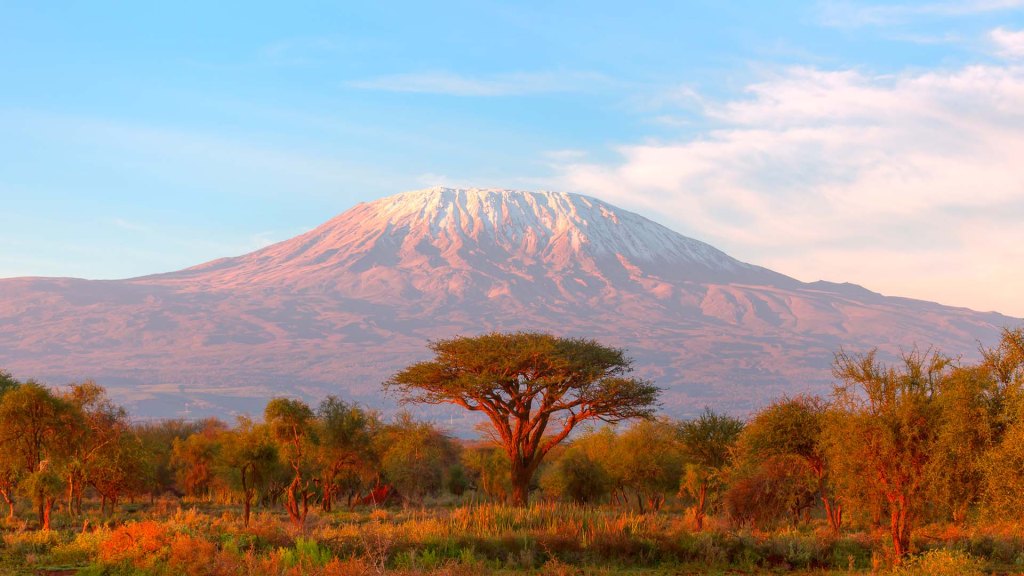
Week Ahead
June 27: The Carnegie Endowment for International Peace’s Africa program will convene global thought leaders at the 2024 Carnegie Africa Forum, hosted at the Woolly Mammoth Theatre Company in Washington, DC.
GALLERY OF AFRICA NEWS IN PICTURES
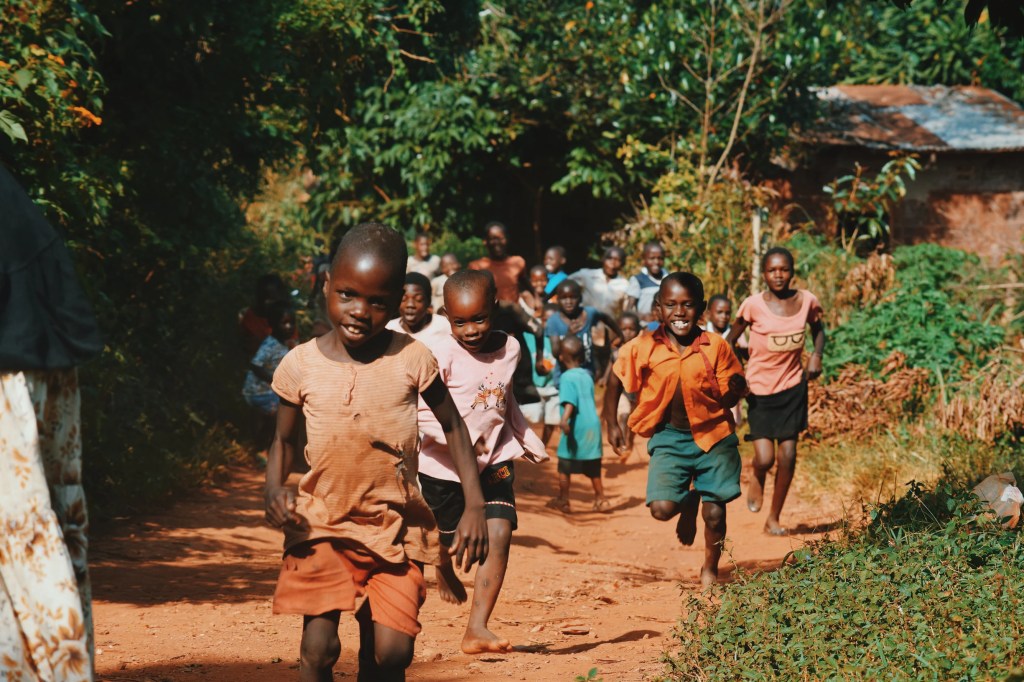
Passion, pilots and panache: Africa’s top shots
AFRICA – ANALYSIS, EDITORIAL/OPINION
Elephants use the tips of their trunks to grasp things with great precision – how this can help robotic design
Heat exposure during pregnancy can lead to a lifetime of health problems
Floating solar panels could provide much of Africa’s energy – new research
The Horn Of Africa States: All is not well in the EAC
Libya
UN Musical Chairs and a Stalemate in Libya
Mauritius
Mauritius’ next growth phase: a new plan is needed as the tax haven era fades
NAfrica
Building Bridges In A Fractured North Africa
The Sahel
The World Needs to Give the Crisis in the Sahel the Attention it Deserves
Somalia
Somalia army vs al-Shabaab: as African Union troops leave, which is the stronger military force?
South Africa
South Africa’s foreign policy: a unity government must be practical in a turbulent world
 The Africa Edition ©️
Leave a comment