News That Matters To Africa©️
QUOTE OF THE DAY
“Rediscover what our ancestors have always known…that our most valuable currency is respect.”
HIGHLIGHTS
Somali pirates say hijacked ship released after ransom paid
Russian troops arrive in Niger
SAfr poll body challenges ruling allowing Zuma’s candidacy
EU pledges Egypt 1 billion euros in financial aid
Nearly 55 million people face hunger in West and Central Africa.
TOP NEWS
Eastern Africa
Eritrea frees 46 Tigrayan detainees
Suspects arrested in murder of top Ethiopian opposition politician
Ethiopia faces tough devaluation decision to secure IMF bailout
Kenya recalls J&J children’s cough syrup over suspected toxicity
Kenya’s Diplomatic nominees ‘goof’ on the big stage
Rwandan battle with genocide narratives
Somali pirates say hijacked ship released after ransom paid
Somalia FM: Mogadishu to never accept Ethiopia-Somaliland pact
South Sudan promises elections amid protests of insecurity, unpreparedness
UN refugee chief says Sudanese refugees may head to Europe if aid not provided
Sudan’s conflict: Who is backing the rival commanders?
West Africa
Russian troops arrive in Niger as military agreement begins
Hundreds rally in Niger to push for U.S. military departure
Nigeria becomes first country to roll out new meningitis vaccine
Nigerian military swoops on militants and oil thieves in week-long operation
Nigerian Transgender celebrity sentenced to six months in male prison
Senegal’s Faye rows back from campaign rhetoric with cautious economic hires
Togo: What to expect in upcoming legislative elections
Military Regimes in the Sahel Give Rise to the Business of Migration
Southern Africa
SAfr poll body challenges ruling allowing Zuma’s candidacy
Explainer: Elephant in the room: Why Botswana, Namibia want fewer of the gentle giants
North Africa
EU pledges Egypt 1 billion euros in financial aid
Who is Muslim Brotherhood’s Badie, once one of Egypt’s most powerful men?
Egypt: artist returns Goethe Medal over Germany’s support for Israel
Western Sahara denounces France plan to fund projects in disputed region
Central Africa
Sexual assaults rise in Central African Republic. Wagner, bandits and even peacekeepers are blamed
AFRICA GENERAL
Ukraine Opening Embassies Across Africa To Counter Russia
Three top priorities for Africa in the G20
As a landmark United Methodist gathering approaches, African churches weigh their future
Africa’s rating agency plan to end unfairness
Nearly 55 million people face hunger in West and Central Africa
African nations have agreed a plan to increase locally produced vaccines
PODCAST OF THE DAY
VIDEO OF THE DAY
AFRICA RELATED BOOKS/PUBLICATIONS
(11) ARTICLES ON ANALYSIS, EDITORIAL & OPINION
Eastern Africa
ERITREA
46 Tigrayan detainees are freed
Eritrea released 46 individuals of Tigrayan descent who had been detained in prison for a minimum of two months to over a year. Mebrahtom Gezaei, the head of peace and security in the Tahtay Adiyabo district, revealed that these individuals were held in the Barentu prison. This prison facility is situated within Gash-Barka, an administrative region of Eritrea. Mebrahtom elaborated that the detainees who were released yesterday were initially subjected to abduction before being subsequently detained in Eritrea. Regional officials have indicated that Zalambessa town and six kebeles of Gulomekeda district are predominantly under the control of Eritrean forces since the outbreak of conflict in the Tigray region in November 2020. Last week a delegation under the AU Monitoring, Verification, and Compliance Mission (AU-MVCM) conducted a visit to the Gulemekeda district and Zalambessa town. This visit, marking the second instance since the signing of the Pretoria accord, aimed to assess progress towards fulfilling the terms of the Pretoria deal and evaluate the status of the local population residing in areas under Eritrean control. Similar abductions have been documented in various areas of the Tigray region by Eritrean forces.
ETHIOPIA
Suspects arrested in murder of top Ethiopian opposition politician
Thirteen suspects have been arrested in connection with the murder of prominent Ethiopian opposition politician Bate Urgessa, police in the troubled Oromia region say. They haven’t provided details about the identities of the suspects but they said a criminal investigation had been launched. Mr Bate, a senior figure within the Oromo Liberation Front (OLF) opposition party, was shot dead earlier this week. His body was found on Wednesday morning by the side of the road near a skip in his hometown of Meki. Family members told local media that he had been taken from his hotel room by “people who looked like government security forces” on Tuesday night. Oromia’s regional government denied that its security forces were involved in the killing. He was buried on Thursday but questions are being raised about whether proper forensic investigations were carried out.
Nation faces tough devaluation decision to secure IMF bailout
Ethiopia may have to decide on a big currency devaluation sooner rather than later to secure a rescue loan from the International Monetary Fund (IMF), which left the country last week without reaching a much-needed deal with authorities. East Africa’s most populous country, already struggling with high inflation, became the third African state in as many years to default on its debt in December. Ethiopia hasn’t received any IMF funds since 2020 and its last lending arrangement with the fund went off track in 2021. The federal government and a rebellious regional authority signed a deal in late 2022 to end a two-year civil war. The IMF, which said progress was made during its latest visit, has not said that currency reform is necessary for its support. But the Fund usually favours flexible, market-determined exchange rates. Chronic foreign currency shortages and a tightly controlled exchange rate has allowed a black market to flourish, on which the birr currently trades at between 117 and 120 per dollar, more than double the official rate of around 56.7 …The rest of Ethiopia’s bilateral creditors followed suit in December, but said they could cancel the relief if Ethiopia did not get an IMF deal by March 31. When the deadline lapsed, it was extended to June 30.
KENYA
Govt recalls J&J children’s cough syrup over suspected toxicity
Kenya’s drug regulator is recalling a batch of Johnson & Johnson children’s cough syrup, it said on Thursday, a day after Nigeria recalled the same batch of medication under the Benylin Paediatric brand. Nigeria’s health regulator said laboratory tests on the syrup showed a high level of diethylene glycol, which has been linked to the deaths of dozens of children in Gambia, Uzbekistan and Cameroon since 2022 in one of the world’s worst waves of poisoning from oral medication. Kenya’s Pharmacy and Poisons Board (PPB) said in a statement it had commenced investigations and advised that sales of certain batches of the product be halted and returned to suppliers. Kenvue, which now owns the Benylin brand after a spin-off from J&J last year, did not immediately respond to a request for comment. The batch being recalled was made by J&J in South Africa in May 2021 with an expiration date of April 2024, PPD said.
Kenya’s Diplomatic nominees ‘goof’ on the big stage
President William Ruto’s nominees for the envoy posts have come under sharp criticism over lack of diplomatic knowledge, with some integrity having integrity issues. Already, it has emerged the Ethics and Anti-Corruption Commission (EACC) has taken issue with the nomination of three individuals who are being vetted by MPs. The National Assembly Defence, Intelligence and Foreign Relations committee kicked off the suitability hearings last week and are expected to conclude the exercise this Friday. However, ghosts of the past have come to haunt come of the individuals who have already been interviewed. Mr David Kiplagat Kerich, Kenya’s nominee to Washington DC, was at pains to explain how he will navigate his foreign assignment with integrity concerns and lack of diplomatic experience. “You don’t have any diplomatic experience. You have not gotten any foreign relations experience, your knowledge of international relations is almost zero, you may be an accomplished lawyer but you are not a diplomat,” “said Kamukunji MP Yusuf Hassan. Former Kisii deputy governor Joash Maangi who is set for Kampala, Uganda as Kenya’s ambassador was asked by Mr Hassan why he would accept the nomination for the foreign mission assignment when he has a graft case hanging over his head.
RWANDA
Rwandan battle with genocide narratives
Rwanda has been marking 30 years since the end of genocide, one of the bleakest moments in the country’s history. But it seems the war on the battle field only transited to narratives of which Kigali says it is still fighting. In a speech marking Kwibuka 30, Rwandan President Paul Kagame acknowledged most of the neighbours for helping one way or another to rescue Rwandans trapped in a mass murder spree…For Rwanda, the narrative about the genocide should be clear: Tutsis were slaughtered in attempted extermination and he and other patriotic citizens grouped to rescue the country. Not everyone agrees with that narrative and some countries battle the figure of the dead, and the ethnic composition. US President Joe Biden, for example, in his message on Kwibuka 30, said a diverse number of people were murdered. Kigali says nations that remain intentionally vague about victims of the genocide perpetuate some form of denial which Kagame argues is a crime in itself. It was not until 2003 that the UN General Assembly passed a resolution to commemorate the Rwandan Genocide as a UN day. Kigali still battled to have it referred to as Genocide against Tutsi in Rwanda. That came in January 2018 after a pivotal argument by then Rwandan Permanent Representative to the UN Valentine Rugwabiza.
SOMALIA
Somali pirates say hijacked ship released after ransom paid
Somali pirates released a hijacked ship, MV Abdullah, and its crew of 23 early on Sunday after a $5 million ransom was paid, according to two pirates. “The money was brought to us two nights ago as usual… we checked whether the money was fake or not. Then we divided the money into groups and left, avoiding the government forces,” said Abdirashiid Yusuf, one of the pirates. He added the ship had been released with all its crew. The MV Abdullah, a Bangladesh-flagged bulk carrier – a type of merchant ship used to transport large amounts of cargo – was hijacked in March as it was heading from Mozambique to the United Arab Emirates. Maritime sources say pirates may be encouraged by a relaxation of security or may be taking advantage of the chaos caused by attacks on shipping by Yemen’s Iran-aligned Houthi group while war rages in Gaza between Israel and the Palestinian militant group Hamas.
Somalia FM: Mogadishu to never accept Ethiopia-Somaliland pact
Somalia will never accept Ethiopia’s plan to build a naval base in its breakaway region of Somaliland, but it would consider granting Ethiopia commercial port access if discussed bilaterally, Somalia’s State Minister for Foreign Affairs Ali Omar said on Friday. Landlocked Ethiopia sparked a diplomatic row with Mogadishu in January by signing a deal with Somaliland to lease 20 kilometres of its coastline in return for recognising the region as an independent state. Somalia called the deal illegal as it considers Somaliland as part of its territory even though it has had effective autonomy since 1991. “Somalia will never accept (a) naval base … Somalia is ready for commercial access in accordance with the international law of the sea,” the minister added.
SOUTH SUDAN
South Sudan promises elections amid protests of insecurity, unpreparedness
South Sudan is launching a voter registration programme in what observers term the surest sign Juba plans to go ahead with elections, even as stakeholders pull apart on the country’s democratic transition. The chairperson of the National Elections Commission (NEC), Abednego Akok Kacuol, told a news conference in Juba the electoral body has deployed registration officers in all the 10 states in readiness for the exercise. But there are protests to the plan with arguments of insufficient environment for the country to organise free and fair elections, which require money and security. Pagan Amum, the leader of the Real-SPLM, one of the parties to the peace deal of 2018, argued the circumstances in South Sudan make it difficult to hold a free and fair poll “in six months.” Juba’s electoral programme, however, is also a product of pressure from its allies. The US, for example, has insisted the country needs to get out of the transition mode. The decision to hold elections has already received the support of the UN Secretary-General who on April 8 wrote a letter the president of the UN Security Council saying that “Critical mass” of the implementation of the peace agreement has been archived…that he would undertake an assessment of the election preparedness in South Sudan. This means that the Security Council is expected to approve or fault the findings.
SUDAN
UN refugee chief says Sudanese refugees may head to Europe if aid not provided
Filippo Grandi, the UN refugee chief said on Friday that Sudanese refugees could be making their way to Europe if humanitarian aid was not adequately provided to the people of the war-torn country. “We know very well that this region is full of criminals that want to take advantage of the misery of refugees and displaced and help them move on at a cost towards North Africa, towards Europe,” Grandi said. Arrivals of refugees and other migrants, particularly those who reach countries by irregular means, is a significant and divisive political issue in a number of European nations. Statistics published by UNHCR show increased movements of Sudanese refugees to Europe, with 6,000 arriving in Italy from Tunisia and Libya since the beginning of 2023. That figure represents an almost sixfold increase compared to the previous year, although Sudanese people still represent a small percentage of arrivals in Italy.
Sudan’s conflict: Who is backing the rival commanders?
As a devastating conflict has unfolded across Sudan over the past year, the country’s military rivals have sought support from foreign backers as they try to tip the contest in their favour. That backing risks widening and prolonging the war between the Sudanese armed forces, led by General Abdel Fattah al-Burhan, and the paramilitary Rapid Support Forces (RSF) headed by Mohamed Hamdan Dagalo, commonly known as Hemedti. Burhan’s clearest ally has been Egypt, which shares a border with Sudan that more than 500,000 people have crossed since the fighting began. Another country Burhan has sought to shore up regional support is Eritrea, one of his first stops when he resumed foreign trips last year. Sudan’s acting foreign minister, who is aligned with the army and visited Tehran this year denied weapons had been received. From further afield, Ukrainian special forces have intervened on the army’s side. Hemedti’s most important ally has been the United Arab Emirates, Sudanese sources, analysts and diplomats say. U.N. experts also said the RSF, which has fostered tribal alliances stretching across Sudan’s western borders, brought weapons into Sudan from Libya and the Central African Republic, and fuel from South Sudan. Hemedti has cultivated ties with Russia. Western diplomats in Khartoum said in 2022 that Russia’s Wagner Group was involved in illicit gold mining in Sudan. Wagner said last year that it was no longer operating in Sudan.
West Africa
NIGER
Russian troops arrive in Niger as military agreement begins
Dozens of Russian military instructors have arrived in Niger as part of a new agreement with the country’s junta, which has cut links with the West. State media reported that they arrived along with a state-of-the-art air defence system. They are expected to install the system and teach Niger’s army how to use it. The West African country is one several in the Sahel region ruled by military authorities to have recently strengthened ties with Russia. A spokesperson for Niger’s military government on Friday said the Russians were in the country to train soldiers. Footage of the Russian instructors unloading a cargo plane full of equipment was broadcast on Niger’s state television. Analysts speculate that the military government was still concerned about some form of physical interference in Niger by the political and economic alliance of West African states, known as Ecowas…adding that this is probably the reason for the supply of a Russian air defence system, rather than to help suppress Islamist fighters.
Hundreds rally in Niger’s capital to push for U.S. military departure
Hundreds took to the streets of Niger’s capital on Saturday to demand the departure of U.S. troops, after the government’s ruling further shifted its strategy by ending a military accord with the United States and welcoming Russian military instructors. Niger decided in mid-March to revoke an accord that had allowed around 1,000 U.S. military personnel to operate on its territory out of two bases. Marching arm in arm through central Niamey, the crowd waved Nigerien flags in a demonstration that recalled anti-French protests that spurred the withdrawal of France’s forces from Niger last year after the army seized power in a coup. Until the coup, Niger had remained a key security partner of France and the United States, which used it as a base as part of international efforts to curb a decade-old Islamist insurgency in West Africa’s Sahel region. But the new authorities in Niger have joined neighbours Mali and Burkina Faso in ending military deals with one-time Western allies, quitting the regional political and economic bloc ECOWAS and fostering closer ties with Russia. The arrival on Wednesday of Russian military instructors and equipment was further evidence of the Niger’s openness for closer cooperation with Moscow, which is seeking to boost its influence in Africa.
SENEGAL
Faye rows back from campaign rhetoric with cautious economic hires
The new president of Senegal, Bassirou Diomaye Faye, has appointed orthodox figures to key economic posts following an election campaign that pledged to take the West African country in a radical new direction. Cheikh Diba, a former tax official, will take up the role of finance minister while Abdourahamane Sarr, who previously served as a senior economist at the International Monetary Fund (IMF) as a monetary policy expert, will be Senegal’s new economy minister. The appointments are likely to reassure international investors that Senegal, which was largely seen as a business-friendly hub under predecessor Macky Sall, will remain a safe destination for investment. Faye said during the election that he would renegotiate Senegal’s oil and gas contracts with international firms and promote national companies, to give the country greater control of its own resources and avoid what his Pastef party called “economic enslavement.” He also initially said that Senegal should adopt a new currency, but then backtracked slightly to argue instead that Dakar should reform the existing CFA franc within the Ecowas bloc. Many political analysts at the time were unconvinced that F aye’s rhetoric on the campaign trail would become official policy when in government. Faye’s rhetoric, combined with uncertainty as to whether the new government planned to follow through on these plans, caused global credit ratings agency S&P to note that “the new government has yet to communicate many of its key fiscal and economic policy proposals, which could affect Senegal’s creditworthiness.” Faye’s initial appointments suggest that “policymaking is likely to be more moderate than his rhetoric might suggest…while Faye campaigned on a somewhat radical platform, his policymaking as president is unlikely to be as unorthodox as his pre-electoral rhetoric.”
NIGERIA
Nation becomes first country to roll out new meningitis vaccine
Nigeria has become the first country in the world to roll out the “revolutionary” new Men5CV vaccine against meningitis, the World Health Organization (WHO) said. Nigeria is one of the hotspots of the deadly disease in Africa. Last year, a 50% rise in annual cases was reported across 26 African countries regarded as meningitis hyperendemic countries, according to the WHO. “Nigeria’s rollout brings us one step closer to our goal to eliminate meningitis by 2030,” Tedros Ghebreyesus, WHO Director General, was quoted as saying in a statement. Between last October and mid-March this year, 1,742 cases were suspected in the country, with 153 deaths recorded in seven states in Nigeria, data from the WHO shows. The new vaccine is reported to protect against the five major strains of the disease that are prevalent in Nigeria, unlike the initial vaccine that works against only one strain, said the WHO.
Nigerian military swoops on militants and oil thieves in week-long operation
Nigeria’s Defence spokesperson Major-General Edward Buba said on Friday that troops had killed or wounded 188 militants and arrested 330 suspects across different locations in the country in a week-long operation. Security forces also arrested 36 suspected oil thieves in the Niger delta region and freed 133 kidnap victims, seizing around 270 weapons and more than 5,000 rounds of ammunition during the entire operation. Nigeria faces a raft of security challenges including a long-running Islamist insurgency in the northeast, separatist violence in the southeast, rampant oil theft in the Niger Delta and kidnapping for ransom by criminal gangs.
Buba said troops destroyed 51 dugout pits, 24 boats, 21 storage tanks and more than 20 illegal oil refining facilities, recovering nearly 700,000 litres of stolen crude oil. Oil theft and illegal refining is rife in Nigeria’s oil-rich delta as impoverished locals and more sophisticated criminal gangs pilfer pipelines to make fuel to sell for profit.
Nigerian Transgender celebrity sentenced to six months in male prison
One of Nigeria’s most popular celebrities, a transgender woman known as Bobrisky, has been sentenced to six months in jail for “spraying” naira banknotes at a film premiere. The judge said Bobrisky must serve her sentence in a male prison. She has not been given the option of paying a fine instead, local media report. Throwing money in the air is a sign of appreciation commonly done at Nigerian weddings and celebrations. This is technically an offence as the notes then fall to the ground where they can be trodden on. Rights groups say LGBTQ people often face harassment and discrimination in Nigeria. In February a cis-gender, heterosexual actress Oluwadarasimi Omoseyin received a similar sentence for the same offence. During the trial, Bobrisky said she hadn’t been aware of the ban. Until now it has been rare for people to be prosecuted for it.
TOGO
What to expect in upcoming legislative elections
Parliamentary election campaigns kicked off on Saturday in Togo, amid heightened tensions after election delays and the president’s attempt to sign off on a new constitution which would scrap presidential elections entirely. The National Alliance for Change (ANC) party has planned protests for weeks, cancelling some after the government banned protests claiming they would “disturb public order.” Running on a platform of change, ANC hopes with the parliamentary elections to be able to gain a majority in the country’s National Assembly. The Union for the Republic party, created by President Faure Gnassingbé in 2012, also began campaigning. Paul Amegakpo, a political analyst, said that these elections could allow the opposition to win a number of seats in the national assembly. Eventually “those in power now could not have the guarantee to have the four out of five, so the quota required, in order to change the constitution,”, he said. If the ruling party is unable to change the constitution at the level of the National Assembly, the president will be unable to delay or cancel elections through constitutional means. More than 2,000 candidates from political parties and independents are vying for 113 seats as MPs and 179 seats as regional councillors. They have two weeks to convince 4 million voters ahead the voted scheduled for Monday April 29.
Southern Africa
SOUTH AFRICA
Poll body challenges ruling allowing Zuma’s candidacy
South Africa’s electoral commission has appealed to the country’s Constitutional Court after judges this week overturned a ban on former President Jacob Zuma standing in the forthcoming election. The commission had barred his candidacy arguing that the constitution bars from public office people who have been sentenced to more than 12 months in prison. Mr Zuma was given 15 months for contempt of court in 2021, though he only served three months in jail. Earlier this week, South Africa’s electoral court overturned that ruling but did not publish its reasoning.
The Electoral Commission has now asked the country’s highest court to provide legal clarification on the issue. In a statement, officials said there was substantial public interest in providing certainty on the interpretation of the relevant law.
Explainer: Elephant in the room: Why Botswana, Namibia want fewer of the gentle giants
They might be an awesome sight to see from a safe distance on safari as they lumber around with their big, lopping ears and long trunks, but for those who live side by side with elephants, these mammals can quickly become a menace. Elephants’ numbers in African countries have dwindled hugely in the past. Conservation efforts since the 1980s, however, have seen populations recover somewhat. In Southern African countries, where about half of the African elephant population resides, their higher numbers mean they are starting to come into conflict with humans. As a result, some of these countries have tried to reduce their elephant numbers. Following long periods of overhunting and poaching for their meat and expensive ivory tusks, elephant numbers collapsed dramatically across Africa between the 1970s and 80s. Numbers continued to fall from 1979 until conservation practices – including crucial bans on sales of elephant parts and trophy hunting – halted the decline. Botswana, Namibia, Angola, Zambia and Zimbabwe together account for more than half of the African bush elephant population. Botswana alone is home to about 130,000 bush elephants – about half of the region’s numbers. The largest living land animals’ feeding habits can dramatically alter ecosystems during their roughly 60 years of life. They have few natural predators to manage their numbers besides humans and, with people out of the way, elephants can populate quickly…South Africa, Namibia, Zimbabwe and Botswana have all tried to reduce the number of elephants in their territory at certain points, but nearly all their methods have been met with criticism or outright condemnation from animal welfare organisations.
WESTERN SAHARA
France plan to fund projects in disputed region is denounced
France’s intention to use the French Development Agency (AFD) to fund projects in the disputed Sahrawi regions is a “provocative” step, Algerian state media reported on Sunday, citing a statement from Western Sahara’s Information Ministry. Morocco considers Western Sahara its own but an Algeria-backed independence movement demands a sovereign state. “This is a dangerous escalation of France’s hostile stance towards the Sahrawi people,” the Ministry statement said, adding France’s plan “represents explicit support for Morocco’s illegal occupation of parts of Western Sahara”. The statement came after France’s Foreign Trade Minister, Franck Riester, visited Morocco last week. “The renewal of French-Moroccan relations will involve new bridges between our private sectors,” Riester posted on X during his visit. According to an article in France’s Le Monde newspaper, Riester indicated that the AFD, via its private sector financing arm, Proparco, could help fund a project involving a high-voltage power line between Dakhla, Western Sahara’s capital, and the Moroccan port city of Casablanca. “The Sahrawi government once again calls on all countries of the world and the public and private sectors to refrain from carrying out any activity of any kind in the Sahrawi national territory,” the statement from Western Sahara’s Information Ministry said.
Military Regimes in the Sahel Give Rise to the Business of Migration
In 2016, Niger’s previous government, under heavy pressure from the European Union, enacted controversial Law 2015-36, which criminalised the transportation of irregular migrants northwards. By November, the new military government – the National Council for the Safeguard of the Homeland, or CNSP – repealed the law, effectively decriminalising Kouyate’s trade. “Hosting and transporting migrants has become normal again,” the young passeur says, with an air of contentment. Agadez is widely seen as the “gateway to the Sahara”, its history inextricably linked to the passage of caravans of traders and travellers. In recent decades, Agadez has become a hub for migratory routes from sub-Saharan Africa to Libya and Algeria, and then northwards towards Europe. In West and North Africa, the transit of migrants has created economic opportunities for thousands of families in extremely poor areas. But after the 2016 law was enacted, hundreds of drivers, brokers and “passeurs” were charged with trafficking, arrested overnight, and their vehicles seized. This led to a notable decrease in attempted crossings and the number of visitors to Agadez.
NORTH AFRICA
ALGERIA
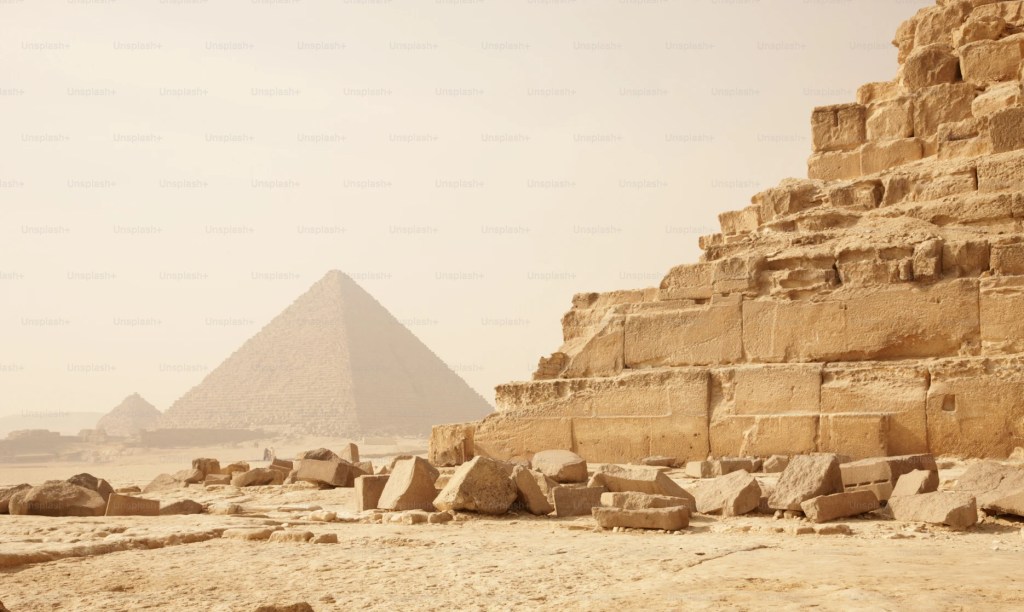
Air Algerie implements Arabic language policy in company communications
Algeria’s national flag carrier, Air Algerie, has introduced new procedures to consolidate the adoption of the Arabic language in official correspondence with various departments, embassies and official bodies. The move, which will see the Arabisation of speeches and letters of the company’s president and general manager, is in accordance with Article 3 of the Algerian Constitution, which stipulates that “the Arabic language is the national and official language.” While the company will continue to train its staff in English, the internationally recognised language of civil aviation, it will prioritise Arabic language usage in official communications, in adherence to constitutional requirements. In recent weeks, the airline has started formalising the use of Arabic in all internal correspondence and interactions. In 2021, it was reported that several Algerian ministries decided to end the use of French in internal and external communications. Last year, the North African country expanded its use of English in the education sector, while doubling down on efforts to enforce a law requiring that private schools — including Francophone ones — abide by the predominantly Arabic national curriculum.
EGYPT
EU pledges Egypt 1 billion euros in financial aid
The EU on Friday said it would provide Egypt with 1 billion euros ($1.07 billion) in short-term financial aid to help stabilise the country’s economy. Egypt agreed last month to an expanded $8 billion support programme with the IMF and a deal with the EU worth billions to boost cooperation and help curb migration, as it is struggling with a prolonged economic crisis linked to chronic foreign currency shortages. The 1 billion euros in short-term aid is part of a bigger package worth 5 billion euros in loans, the statement said. Another 4 billion euros were scheduled as longer-term assistance over the period 2024-2027, but still had to be adopted by the bloc’s 27 members. The loan is meant to address Cairo’s deteriorating fiscal situation and financial needs, notably after the outbreak of the Gaza war, the Houthi attacks in the Red Sea and the repercussions of Russia’s war of aggression against Ukraine, the statement said. As a precondition Egypt should continue to make “concrete and credible steps towards respecting effective democratic mechanisms (including a multi-party parliamentary system) and the rule of law and guaranteeing respect for human rights,” the statement said.
Who is Muslim Brotherhood’s Badie, once one of Egypt’s most powerful men?
Mohamed Badie, the top leader of Egypt’s outlawed Muslim Brotherhood organisation, was once seen as the Khamenei of Egypt and one of the masterminds responsible for the ascend of the organisation to power following the toppling of former President Hosni Mubarak. Badie was elected in 2010 as the eighth “general guide” of the organisation, which once was the largest and most influential Islamist movement in the Middle East, just one year before the Arab Spring uprisings. He was imprisoned several times during his life, the first of which was after a 15-year sentence in a military case in 1965. Badie was imprisoned in two other military cases during Mubarak’s reign, before being sentenced to life in at least three cases after being convicted for his role in the violence that broke out after the army, led by then General Abdel Fattah al-Sisi, toppled Mursi following mass demonstrations against him. “There is not a single valid legal piece of evidence for any accusation brought against me,” Badie told a court overseeing the case of “the Rabaa sit-in dispersal” against him in 2016. The Brotherhood and their supporters camped for weeks in the streets around Rabaa al-Adawiya Square in Cairo where rights groups say more than 800 people were killed as security forces stormed in to clear it out. The army said it was forced to intervene in 2013 by a popular uprising against the Brotherhood’s partisan rule. Badie and Mursi were thrown in jail with many of the prominent Brotherhood figures and hundreds of their supporters.
Wikipedia: On 28 April 2014, after an eight-minute trial in which Badie could not present his defence, he was sentenced to death, along with 682 others who are allegedly Muslim Brotherhood supporters. He was sentenced to life in prison on 15 September 2014,and was sentenced to death on 11 April 2015, along with thirteen other senior Muslim Brotherhood members. He received a sixth life sentence on 22 August 2015 and a seventh on 8 May 2017.
Egypt’s highest appeals court upheld the 2019 conviction of Badie on charges related to killing policemen and organising mass jail-breaks during Egypt’s 2011 uprising, alongside those of 10 other leaders of the group).
Egyptian artist returns Goethe Medal over Germany’s support for Israel
Egypt’s renowned visual artist Mohamed Abla has returned the Goethe Medal that he was awarded in 2022, in protest at what he described as Germany’s support for Israel in the ongoing offensive against the Palestinians in Gaza, Anadolu has reported. Abla told the agency that he has been following Germany’s position on the Gaza war and is very saddened by it. “Berlin has been the second largest arms supplier to Israel in the Gaza war from the beginning,” he pointed out. Even the demonstrations in Germany were not enough to affect the conscience of the German government to change its position. “I felt that Germany’s position is completely inconsistent with the principles of the medal, which stands for equality, justice and working to consolidate relations between people and promote human values. With this position, the German government is saying that ‘Palestinians as human beings do not deserve to defend themselves for freedom.’ I felt there was a contradiction here.” That’s when he decided to return the medal. The medal was handed in at the German Embassy in Cairo last week. The Foreign Ministry in Berlin has apparently contacted the artists in this regard. According to the Goethe Institute, its eponymous medal is “the most important award of the Federal Republic of Germany’s foreign cultural policy.” Germany is one of Israel’s staunchest allies, and has offered the occupation state unconditional political, diplomatic and military support since 7 October.
CENTRAL AFRICA
CENTRAL AFRICAN REPUBLIC
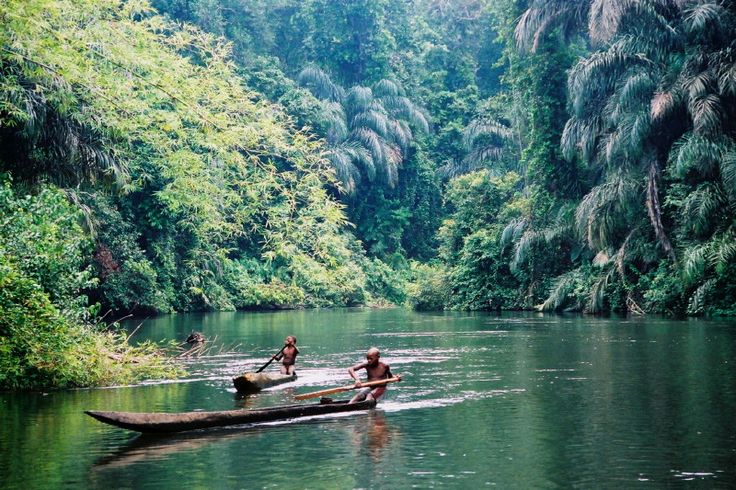
Sexual assaults rise in Central African Republic. Wagner, bandits and even peacekeepers are blamed
Gender-based violence is rising in Central African Republic amid ongoing conflict, weak legal and care systems and the stigma of speaking up, locals and aid groups say. Since 2020, incidents have jumped from about 9,200 reported cases to 25,500, according to cases tracked by the U.N. and partners. But international funding for the country has dropped, with gender-based violence receiving some of the least support. Doctors Without Borders, one of the main organizations working on gender-based violence, says it has seen an increase in patients due to the expansion of services and outreach. Women don’t usually blame Wagner because its fighters are so entrenched in communities that they fear retaliation, aid groups said. Women who come forward find it hard to receive justice, said Lucie Boalo Mbassinga, vice president of the Association For Women Lawyers for Central Africa. She said they had 213 cases of sexual assault and rape reported in 2022 and 304 cases in 2023. Sometimes women open a case against local fighters but withdraw it because perpetrators’ families pay survivors not to proceed, she said. But not only Wagner fighters are accused of rape. Media spoke with three women who said they had been sexually assaulted. One blamed Wagner. One blamed an armed bandit. One, a security guard, blamed a U.N. peacekeeper.
AFRICA – GENERAL NEWS
Ukraine Opening Embassies Across Africa To Counter Russia
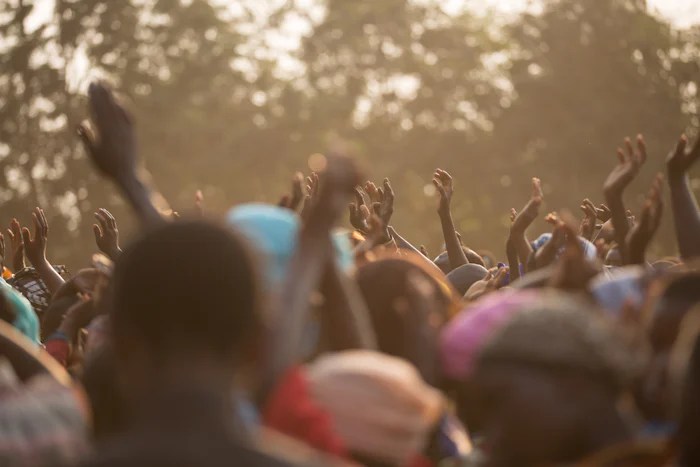
Ukraine inaugurated an embassy in Ivory Coast on Thursday, a day after opening an embassy in the Democratic Republic of Congo as Kyiv seeks a greater presence in Africa to counter Moscow’s influence. “A brilliant new page is being written in the new history of relations between Ukraine-Africa and Ukraine-Ivory Coast”, deputy foreign minister Maksym Subkh said, according to a translation of his Ukrainian speech into French. The new embassies were the result of “the instructions of Ukrainian President Volodymyr Zelensky to spread Ukraine’s diplomatic presence in Africa”, he added. Subkh opened Kyiv’s embassy in Kinshasa on Wednesday amid plans to open several more representations in Africa to bolster support, DR Congo’s foreign ministry announced. He is due to visit Ghana, Mozambique, Botswana and Rwanda to inaugurate embassies in the coming weeks, a representative of the new embassy in Abidjan told AFP. “This war can seem very far away. But the catastrophic increase in food prices has already impacted the lives of millions of African families,” Subkh said
Three top priorities for Africa in the G20
The Brazilian Presidency of the G20, followed by the first G20 meetings on African soil, in South Africa in 2025, present the African Union with an opportunity to seed ideas on its ambitions. 2024 is the first year that the African Union is participating as a permanent member. The just-concluded African Union Summitin Addis Ababa, Ethiopia provided key guidance on the process of setting up the support structure around the AU’s participation in the G20. This process will be subject to further discussions among African Union member states. But the G20 agenda is moving forward and seizing this opportunity to already put forward AU proposals is important. So as a newcomer into the group, what are the key issues that the AU representatives can advocate for? First, the AU can play an important role to advocate other G20 members to double efforts to address the challenge of debt distress; Second, the AU Summit deliberations flagged concerns regarding the reforms of the global financial architecture; Third, Africa’s fiscal challenges will increasingly arise from trade shocks.
As a landmark United Methodist gathering approaches, African churches weigh their future
The United Methodist Church lost one-fourth of its U.S. churches in a recent schism, with conservatives departing over disputes on sexuality and theology. Now, with the approach of its first major legislative gathering in several years, the question is whether the church can avert a similar outcome elsewhere in the world, where about half its members live. The question is particularly acute in Africa, home to the vast majority of United Methodists outside the U.S. Most of its bishops favor staying, but other voices are calling for regional conferences to disaffiliate. At the upcoming General Conference in Charlotte, North Carolina, delegates will tackle a wide range of proposals – from repealing the church’s ban on same-sex marriage and ordaining LGBTQ people, to creating more autonomy for regional conferences to set such rules, to making it easier for international churches to leave the denomination. When Delegate Jerry Kulah of Liberia first attended a General Conference in 2008, he was shocked by proposals to liberalize church rules. Since then, he helped mobilize African delegates to vote with American conservatives to create ever-stricter denominational rules against same-sex marriage and ordaining LGBTQ people. But progressive American churches have increasingly been defying such rules and now appear to have the votes to overturn them.
Africa’s rating agency plan to end unfairness
Africa is working on a credit rating agency to be launched by the end of 2024 to address what it terms unfairness. The proposal for the new agency, the African Credit Rating Agency (ACRA), as outlined by United Nations Economic Commission for Africa (Uneca) would provide “balanced and comprehensive opinions” on African credit instruments. This would then support affordable access to capital and the development of domestic financial markets. Credit ratings are designed to gauge a borrower’s risk of default, and factor in the terms on which banks and others will lend to them. With the backing that comes from the support of the African Union (AU), it is envisaged that the rating agency will have the advantage of understanding the domestic context of Africa, issue more informative and detailed ratings than those issued by the international rating agencies. The AU argues that the “big three” rating agencies’ Moody’s, Fitch and S&P Global Ratings do not fairly assess the risk of lending to African countries. They are also quicker to downgrade them during crises such as the Covid-19 pandemic.
Nearly 55 million people face hunger in West and Central Africa
Soaring prices have helped fuel a food crisis in West and Central Africa, where nearly 55 million people will struggle to feed themselves in the coming months, U.N. humanitarian agencies warned on Friday. The number facing hunger during the June-August lean season has quadrupled over the last five years, they said, noting that economic challenges such as double-digit inflation and stagnating local production had become major drivers of the crisis, beyond recurrent conflicts in the region. Among the worst-affected countries are Nigeria, Ghana, Sierra Leone, and Mali, where around 2,600 people in northern areas are likely to experience catastrophic hunger, said the WFP, UNICEF, and the Food and Agriculture Organization in a joint statement. “The time to act is now. We need all partners to step up … to prevent the situation from getting out of control,” said Margot Vandervelden, WFP’s acting regional director for West Africa. Due to the food shortages, malnutrition is alarmingly high, the agencies said, estimating that 16.7 million children under the age of five are acutely malnourished across West and Central Africa. The region’s heavy dependence on food imports has tightened the squeeze, particularly for countries battling high inflation such as Ghana, Nigeria, and Sierra Leone.
African nations have agreed a plan to increase locally produced vaccines.
African leaders have agreed a deal aimed at providing greater health security for people across the continent. The initiative, led by Africa Centres for Disease Control and Prevention (Africa CDC), establishes a pooled procurement mechanism for vaccines and other healthcare products. “The decision means creating a robust market for manufacturers and ensuring the health security of all Africans,” the Director General of Africa CDC, Dr Jean Kaseya, said after the agreement was made at an African Union Summit. “This will be the second independence of Africa.” The latest agreement throws a new focus on vaccine production in Africa. The African market for vaccines and medicines is valued at $50 billion annually, but the continent imports most of the healthcare products required. According to Africa CDC’s press release, under 1% of vaccines required are currently manufactured on the continent. African leaders have committed to raising this to 60% by 2040. The COVID-19 pandemic highlighted Africa’s vulnerability when it comes to access to vaccines. As the virus swept around the world, wealthy nations bought and stockpiled billions of vaccine doses, leaving entire populations in developing nations with little or no access to lifesaving treatments. In December 2020, just as the first vaccines were being delivered, the EU and the United States bought up 2.6 billion doses, more than a third of globally available supply. Many low-income countries, including nations across Africa, had to rely on NGOs operating under the COVAX initiative, which managed to secure 700 million doses.
VIDEO OF THE DAY
Russian weapons and troops arrive in Niger, weeks after the military leadership of Niger ended the US military deal. The latest generation of anti-aircraft defense systems and 100 Russian military instructors landed in Niamey (apparently) to train local forces in Niger
Colonialism: London art exhibit explores Britain’s imperialist past
A new solo exhibition by British artist Yinka Shonibare in London explores Britain’s imperialist past.
PODCAST OF THE DAY
What Happened To Nelson Mandela’s South Africa? A New Podcast Series Marks 30 Years Of Post-Apartheid Democracy
Thabo Leshilo, politics and society editor at The Conversation Africa, speaks to prominent political scholars who experienced South Africa’s post-apartheid transition, about the country’s journey over the past three decades.
AFRICA-RELATED BOOKS
An African History of Africa by Zeinab Badawi – an insider’s take
The journalist and broadcaster offers a refreshing corrective to narratives imposed on the continent by others
Special Demand: How to Write About Africa by Binyavanga Wainaina
Binyavanga Wainaina’s satirical essay How to Write About Africa, weaves together stories that exalt the continent’s landscape but decry its politics, that revere its wildlife but patronise its people, that use words such as “timeless”, “primordial” and “tribal” when explaining Africa’s historical trajectories.
AFRICA – ANALYSIS, EDITORIAL/OPINION
When the War on Terror met Conservation
“Project tenBoma” a program of the International Fund for Animal Welfare that ran from 2015 to 2020, exemplified how military intelligence operations found their way into anti-poaching efforts.
Politicians’ ugly deeds stink long after they exit the national stage
Burundi/Rwanda
Burundi-Rwanda rivalry: RED-Tabara rebel attacks add to regional tensions
Egypt
What did Sisi say, and what did he mean?
Ethiopia
Assault on decency’: Why Bate Urgessa’s murder shocked many to the core
Kenya
Young Kenyans are not finding work: how universities can do a better job of training entrepreneurs
Niger
What Washington got wrong about Niger and Russia
Nigeria
Dangote refinery project, a testament to state failure in Nigeria
Africa’s strategic sectors, such as the energy sector, should not be left under the total control of private interests
South Africa/Rwanda
Ramaphosa tries to patch up relations with Rwanda
Has South Africa’s leader been advised to put on hold the Southern African Development Community mission in east DRC?
Sudan
Independent Thinking: Has the world forgotten Sudan?
Millions are at risk as a result of Sudan’s devastating civil war, but attention lies largely elsewhere. Has the world failed the people of Sudan?
Zimbabwe
El Niño drought leaves Zimbabwe’s Lake Kariba only 13% full: a disaster for people and wildlife
 The Africa Edition ©️
Leave a comment